
Auto-shutoff automatically powers down your vehicle or system during malfunctions or hazards, preventing fires or more damage. Overheat protection kicks in if components get too hot, stopping operations to avoid failure or injury. Interlocks prevent actions like starting the engine or shifting gears unless certain safety conditions are met, reducing errors. Together, these features create a layered safety approach. Keep exploring to discover how each feature works seamlessly to protect you in different situations.
Key Takeaways
- Auto-shutoff automatically stops the engine or system during malfunctions or hazards to prevent damage or injury.
- Overheat protection activates cooling or shutdown mechanisms when engine or component temperatures exceed safe limits.
- Interlocks prevent specific actions, like starting the vehicle or shifting gears, unless certain safety conditions are met.
- Auto-shutoff responds instantly to emergencies, whereas overheat protection manages thermal risks proactively.
- Interlocks enhance safety by ensuring proper operation sequences, reducing human error during vehicle use.
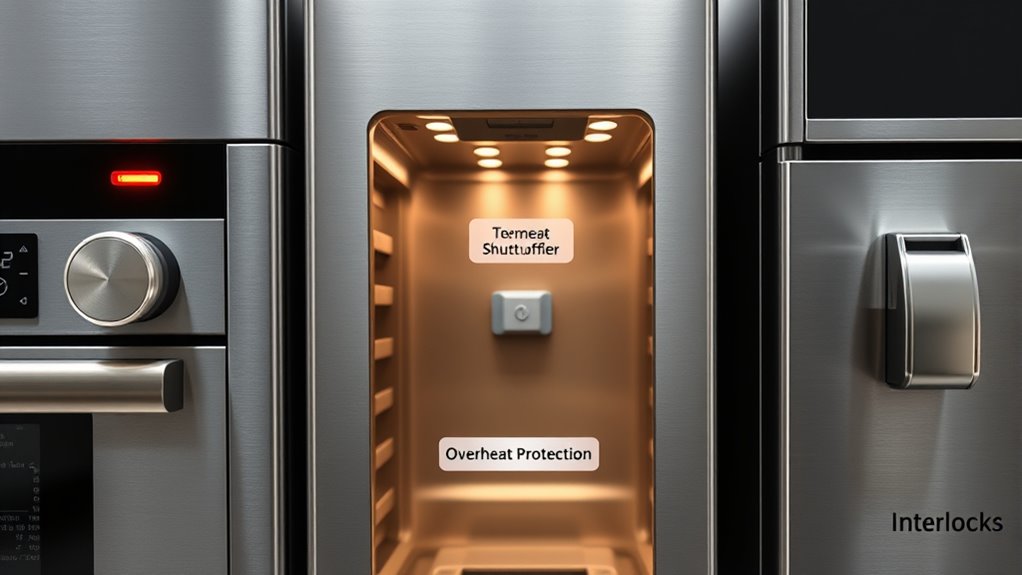
When choosing a vehicle, understanding its safety features can make all the difference. Modern cars come equipped with a variety of systems designed to protect you and your loved ones, but it’s essential to know how these features work and what sets them apart. One crucial aspect is the vehicle’s ability to perform emergency shutdowns, which can prevent accidents or further damage during critical situations. Emergency shutdowns are automatic or manual systems that cut off power or fuel supply if the vehicle detects a malfunction, crash, or hazardous condition. These systems can stop the engine instantly, reducing the risk of fire or injury, and are especially useful in accidents where continued operation could worsen the situation. When you’re involved in a collision, having a vehicle that can shut down safely minimizes danger and allows first responders to work more effectively.
Another essential safety feature that often goes unnoticed is child safety locks. When you’re transporting young children, these locks are a simple yet effective way to prevent accidental door openings. Child safety locks are typically located on the rear doors and can be activated easily from inside the vehicle. Once engaged, they prevent children from opening the doors from the inside, giving you peace of mind while driving. This feature is especially important for SUVs and minivans, where children might try to open doors unexpectedly. Child safety locks work in tandem with other safety measures, like child seat anchors and window lock controls, creating an all-encompassing environment that keeps your children secure. Knowing that your vehicle has these locks helps you focus on the road instead of worrying about kids accidentally opening doors at the wrong moment.
In addition to emergency shutdowns and child safety locks, vehicles often feature interlocks that add another layer of safety. Interlocks are systems designed to prevent certain actions unless specific conditions are met—like ensuring the car is in park before starting or preventing the ignition from turning on if seat belts aren’t fastened. These interlocks help avoid common driver errors that could lead to accidents. For example, an interlock might prevent the vehicle from shifting into gear unless the brake pedal is pressed, reducing the chance of unintended movement. Modern interlocks can also include automatic safety responses, which activate in hazardous situations to further protect occupants. When you understand how these safety systems work together, you’re better equipped to use them effectively. They serve as safeguards that protect you and your passengers by reducing human error and reacting quickly to dangerous situations.
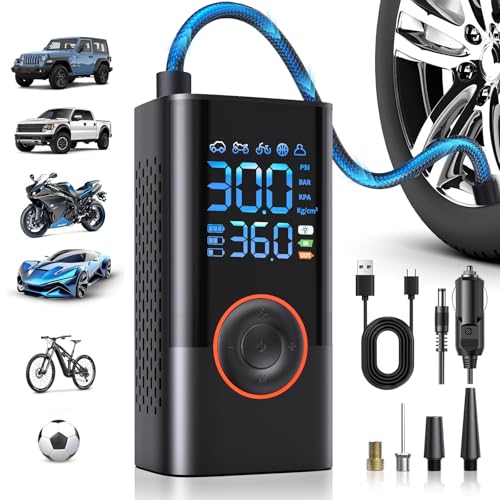
Tire Inflator Portable Air Compressor Portable Cordless Mini Air Pump with Digital Pressure Gauge Inflater 150PSI 3X Fast Inflation Auto Shutoff Large Battery Tires Pump for Cars Motors Bikes Balls
- Dual Power Sources: Rechargeable battery and 12V DC power
- Fast Inflation: Inflates 3 times faster with more power
- Accurate LCD Display: Real-time pressure monitoring with auto shutoff
As an affiliate, we earn on qualifying purchases.
As an affiliate, we earn on qualifying purchases.
Frequently Asked Questions
Are These Safety Features Mandatory by Law?
You should know that legal requirements for safety features like auto-shutoff, overheat protection, and interlocks vary depending on your location and the specific appliance. Many safety standards make these features mandatory to prevent accidents and ensure compliance with regulations. It is crucial to check local laws and industry standards to confirm whether these safety features are legally required for your equipment, and to prioritize safety in your setup.
How Do Safety Features Affect Device Longevity?
Safety features positively affect device durability by preventing overheating, electrical issues, and accidental damage. When your device includes auto-shutoff, overheat protection, and interlocks, it reduces wear and tear, extending its lifespan. These safety feature impacts mean fewer repairs and replacements over time, ensuring your device stays reliable longer. By investing in safety, you’re also promoting better device durability, making it a smart choice for long-term use.
Can Safety Features Be Disabled or Bypassed?
You might think you can get around safety bypass or feature disabling, but it’s a risky move. Most devices have built-in safeguards to prevent disabling safety features, and trying to do so can compromise your safety. Safety features are there for a reason, and bypassing them can lead to damage or accidents. It’s best to respect these safeguards and follow the manufacturer’s guidelines, rather than trying to cut corners.
Do All Brands Implement These Safety Features?
Not all brands implement these safety features consistently. You’ll find some brands prioritize safety with auto-shutoff, overheat protection, and interlocks, ensuring brand consistency. Others may have feature variability, offering limited safety options or none at all. It’s essential to check each brand’s specifications before purchasing, so you know what safety measures are included and can choose a product that meets your safety expectations.
What Maintenance Is Required for Safety Features?
Did you know that regular maintenance can extend the safety feature lifespan by up to 30%? You should perform a maintenance checklist every six months, inspecting auto-shutoff sensors, overheat protection components, and interlocks for dust, damage, or wear. Confirm all parts function correctly and replace any faulty elements promptly. Proper maintenance not only keeps these safety features reliable but also helps prevent accidents, keeping your equipment safe and efficient.
Conclusion
When choosing safety features like auto-shutoff, overheat protection, and interlocks, you’re better off playing it safe than sorry. These safeguards act as your first line of defense, giving you peace of mind when using electrical appliances. Remember, it’s always wise to cover all your bases—after all, an ounce of prevention is worth a pound of cure. Prioritize safety, and you’ll keep yourself and your loved ones out of harm’s way.