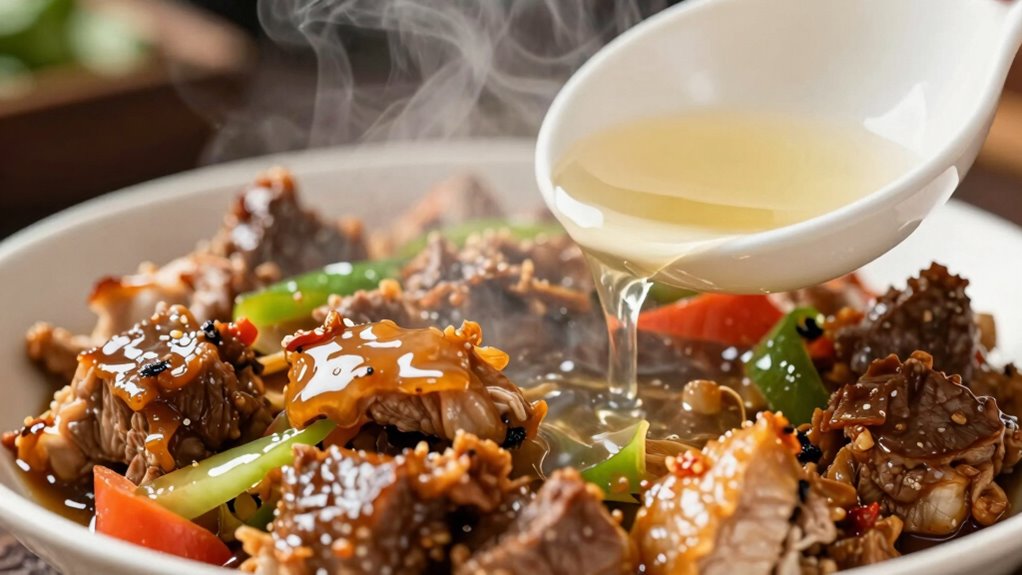
To refresh leftovers without drying out the edges, start by adding a splash of water or broth to keep moisture in. Cover the dish with a damp paper towel or microwave-safe lid to trap steam and prevent drying. Use medium or low heat, and heat in short intervals, stirring or flipping halfway through. These simple tips help preserve flavor and moisture, and there’s more you can do to keep leftovers tasting fresh longer.

Get kitchen gear delivered free with Prime
- Fast, free delivery on millions of items
- Prime Video, Amazon Music and more included
- Member-only deals all year
Key Takeaways
- Add moisture with a splash of water or broth before reheating to prevent drying out.
- Cover leftovers with a damp paper towel or microwave-safe lid to lock in moisture.
- Use medium or low microwave power and heat in short intervals for even warming.
- Stir or flip leftovers halfway through to distribute heat and prevent edge drying.
- Ensure proper storage and use suitable containers to maintain moisture and freshness.
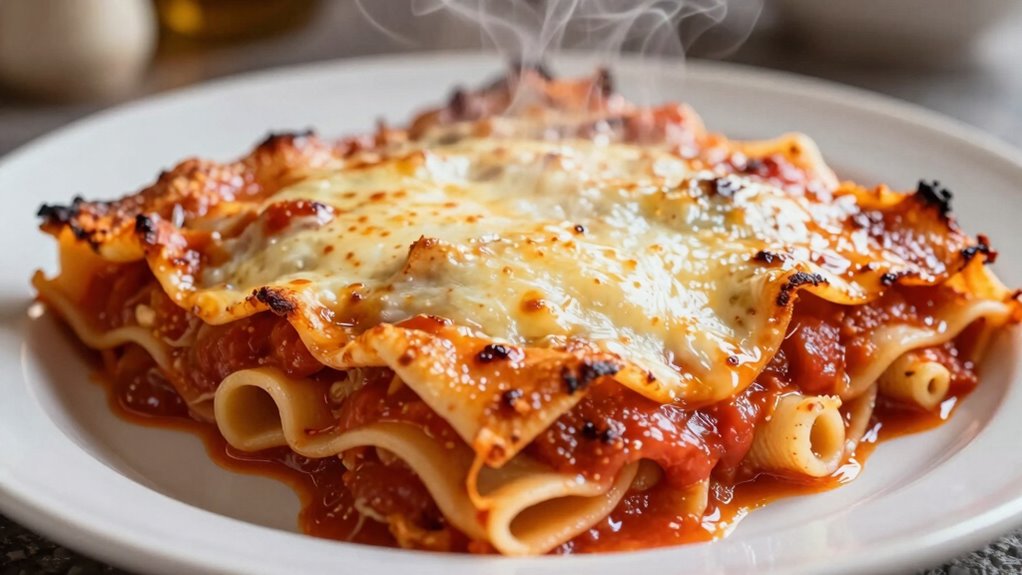
Leftovers can be a convenient and budget-friendly way to enjoy a quick meal, but they often lose their freshness and flavor over time. To get the most out of your leftovers, you need to master reheating techniques that preserve moisture and prevent the edges from drying out. The microwave is quick, but it’s also the trickiest for avoiding dry edges. To prevent this, add a splash of water or broth before microwaving, then cover the dish with a microwave-safe lid or damp paper towel. Set the microwave to medium or 50-70% power, and heat in short intervals, stirring or flipping the leftovers halfway through. This ensures heat distributes evenly and the edges don’t get scorched or dried out. For dishes like rice, pasta, or casseroles, using a damp paper towel over the container can lock in moisture during microwaving. Additionally, understanding microwave reheating principles can help you avoid common pitfalls and improve your results. Proper reheating techniques help maintain nutrient retention and flavor, making leftovers taste closer to freshly cooked. Employing the right reheating methods can also significantly extend the shelf life of leftovers, ensuring they stay safe and delicious longer. No matter which reheating technique you choose, always check the internal temperature to ensure food safety. By following these storage tips and reheating techniques, you can enjoy leftovers that taste fresh and stay moist without drying out the edges.
As an affiliate, we earn on qualifying purchases.
Frequently Asked Questions
Can I Reuse the Same Method for All Types of Leftovers?
You can’t reuse the same method for all leftovers because different foods require specific approaches to guarantee food safety and preserve texture. For example, meats may need thorough reheating, while bread benefits from gentle moisture to avoid drying out. Using the right technique helps prevent bacterial growth and keeps textures appealing. Always consider the type of leftover you’re reheating to choose the safest method that maintains ideal texture without risking food safety.
How Long Should Leftovers Sit Before Reheating?
Leftovers are like delicate treasures; you want to treat them right. You should let leftovers sit in the fridge for no more than 2-3 days before reheating. Use reheating timers to guarantee even warmth without overcooking. This quick pause allows bacteria to settle, keeping your food safe and flavorful. Always reheat thoroughly, aiming for steaming hot, and avoid rushing the process, so your leftovers taste just as good as the first time.
Is There a Risk of Food Poisoning When Reusing Leftovers?
Yes, there’s a risk of food poisoning if you reuse leftovers improperly. To stay safe, follow food safety tips and reheating guidelines, ensuring leftovers are heated to at least 165°F (74°C). Always refrigerate leftovers promptly, within two hours, and consume them within 3-4 days. Proper handling and thorough reheating help kill bacteria and prevent foodborne illnesses, keeping you safe while enjoying your leftovers.
What Containers Are Best for Reheating Leftovers?
You should use microwave-safe glass or ceramic containers for reheating leftovers, as they distribute heat evenly and resist staining. Avoid metal containers, which aren’t microwave-safe. For reheating techniques, cover the container with a microwave-safe lid or vented plastic wrap to trap moisture, preventing drying out. Stir or rotate the food halfway through reheating to make certain of even heat distribution, keeping your leftovers fresh and tasty without drying out the edges.
Can I Add Fresh Ingredients to Improve Leftovers?
Yes, you can add fresh ingredients to boost flavor and improve leftovers. Toss in fresh herbs like parsley or basil for brightness and use flavor boosters such as a squeeze of lemon or a splash of soy sauce. These additions revive the dish without drying it out, making leftovers taste more vibrant and appealing. Just stir them in gently and reheat carefully to preserve their freshness and flavor.
Conclusion
Now that you know how to revive your leftovers without turning them into cardboard, your fridge is like a treasure chest waiting to be rediscovered. With a little steam or gentle reheating, you’ll turn yesterday’s meal into today’s delight—like magic, but better, because it’s all you. So, next time you open that door, remember: leftovers are just waiting for their second act, ready to shine brighter than the first. Happy reheating!
Columbus Day / Indigenous Peoples' Day Picks
long weekend sales
As an affiliate, we earn on qualifying purchases.