TL;DR

Get kitchen gear delivered free with Prime
- Fast, free delivery on millions of items
- Prime Video, Amazon Music and more included
- Member-only deals all year
Ideal Home’s report describes a more polished take on cottagecore kitchens, retaining country-style details while moving beyond pastel palettes and rustic finishes. It highlights slim-frame Shaker cabinets, earthy colors and storage planned for everyday use. The article presents these as design directions, not evidence of a measured industry-wide trend.
Ideal Home has reported a more refined take on cottagecore kitchens, with slim-frame Shaker cabinets, earthy colors and practical storage replacing some of the look’s more overtly rustic and pastel details. The shift keeps the style’s welcoming country character while adapting it for contemporary homes and everyday kitchen use.
The report describes an evolution from the cottagecore look associated with pretty pastels, ditsy florals, rustic finishes and whitewashed floorboards. Those details have not disappeared, but the article says country kitchens are increasingly being presented with cleaner lines and more deliberate material and color choices. Its examples are design recommendations, not sales figures or a survey of homeowners.
One suggested change is skinny Shaker cabinetry, which keeps the familiar framed-panel door but uses a slimmer frame for a less ornate appearance. Al Bruce, founder of kitchen company Olive & Barr, says Shaker cabinetry suits country kitchens because of its “timeless design and understated detailing.” He says a slimmer frame creates “a cleaner, more streamlined finish” while retaining the traditional style’s character.
The color palette in the report moves toward earthy greens, rich blues, warm creams and muted greys, alongside natural materials such as wood. Bruce says natural wood cabinetry, including pieces made with traditional dovetail joints, can add warmth and character. The article also recommends pairing deeper colors with darker woods, such as walnut, for a more considered scheme.
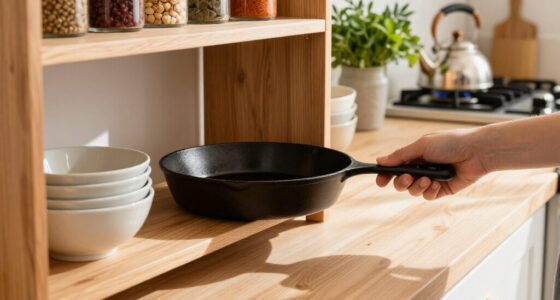
Functionality is the third part of the update. Nadine Kimani, brand kitchen expert at Kutchenhaus, says open shelving can add character but may be less practical near cooking areas, where dust and grease can collect. Her suggestion is to use one or two display areas for favorite items and keep everyday essentials behind cabinet doors. Islands and dressers can add display space while also supporting storage or dining.
A Country Look for Daily Use
The design change matters to readers planning a kitchen because it presents cottage-inspired style as something that can work beyond a period cottage or a highly rustic interior. Streamlined cabinetry and restrained colors offer a way to keep traditional references without making every surface decorative or visually busy.
The focus on storage also connects the aesthetic to practical decisions that affect how a kitchen works. Open shelves may make ceramics and wooden boards part of the room’s decor, but keeping frequently used items protected can reduce exposure to cooking residue and leave more usable space. The report’s advice is to balance display with concealed storage, rather than treating either as the sole solution.
These suggestions are relevant whether a homeowner is renovating or making smaller changes. Cabinet fronts, paint colors and the placement of a shelf or island can alter the feel of a room without requiring a full return to the cottagecore look. The article does not provide costs, product testing or evidence that every element will suit every kitchen, so decisions still depend on the room’s size, budget and needs.
slim frame Shaker kitchen cabinet doors
As an affiliate, we earn on qualifying purchases.
As an affiliate, we earn on qualifying purchases.
From Pastels to Earthy Details
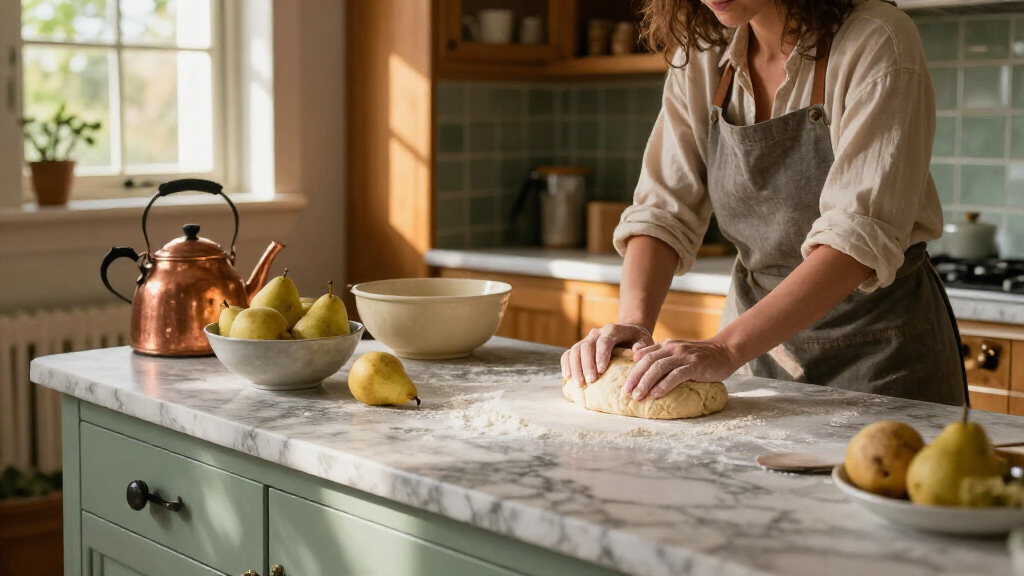
Cottagecore became associated with a soft, nostalgic country-kitchen aesthetic, including floral patterns, pale colors and visibly rustic finishes. Ideal Home’s report frames the current approach as a continuation of that style rather than its rejection: the country influence remains, but the detailing is less overtly kitsch and more streamlined.
The article organizes its recommendations around three updates: slimmer Shaker doors, natural and earthy colors, and storage planned for modern routines. It does not cite a market research report, trend data or a formal survey to establish how widespread these choices are. Its claims about a shift should therefore be read as the publication’s design assessment, supported by comments from industry experts, rather than a quantified measure of consumer behavior.
“Its slimmer frame creates a cleaner, more streamlined finish, while retaining the character and craftsmanship of the traditional Shaker style.”
— Al Bruce, founder of Olive & Barr
How Broad Is the Shift?
The report does not identify a survey, sales data or measured timeframe that would establish how many homeowners are adopting these choices or whether they are increasing across the kitchen market. Its description of a move away from pastels is a trend assessment, not a quantified finding. The article also does not specify whether the ideas apply equally to new kitchens and existing rooms, or give cost comparisons for the suggested materials and cabinetry.
It is also unclear how long these design preferences will remain prominent. Ideal Home presents them as directions that may suit kitchens being planned for 2027, but it does not claim that any single palette, cabinet style or storage arrangement is right for every home.
Planning Ahead for 2027
For readers considering a kitchen update, the report’s next step is to weigh cabinet detailing, materials and storage together, rather than choosing a country look from color alone. A homeowner could compare slim-frame Shaker doors with more traditional profiles, test earthy shades against the room’s light, and decide which items need display space versus closed storage.
Ideal Home points readers toward its separate coverage of kitchen color trends for 2026 as a guide to colors it expects to last. The report does not name a product launch, formal industry forecast or upcoming event that will confirm how these styles develop. For now, the cited recommendations remain design guidance rather than a definitive prediction of what kitchens will look like in 2027.
Key Questions
What is changing in cottagecore kitchens?
The report describes a more polished version of the style, with slimmer Shaker cabinets, earthy colors and more considered storage alongside familiar country details.
Which colors does the report recommend?
It points to earthy greens, rich blues, warm creams and muted greys, often paired with natural wood or darker timber such as walnut.
Are open shelves still part of the look?
Yes, but the report recommends using them selectively. Kutchenhaus expert Nadine Kimani says dust and grease can build up near cooking areas, so everyday essentials may be better kept behind cabinet doors.
Is the trend supported by market data?
The report does not cite sales figures or a homeowner survey. It presents design observations and expert advice, so the scale of the shift is not established.
Source: rss
Fall Picks
fall essentials
As an affiliate, we earn on qualifying purchases.