TL;DR

Get kitchen gear delivered free with Prime
- Fast, free delivery on millions of items
- Prime Video, Amazon Music and more included
- Member-only deals all year
House Beautiful’s report gathers heating experts’ advice on eight common habits that may make homes feel colder, use more energy or create safety risks. The suggestions include adjusting thermostat settings, keeping radiators clear, sealing drafts and checking electric blankets; the report does not provide measured savings or a single estimate of how much these steps could reduce bills.
House Beautiful has published a roundup of eight common heating mistakes, drawing on comments from heating and home-energy specialists about habits that can leave rooms colder, increase energy use or present safety concerns. The advice covers thermostat settings, radiator airflow and maintenance, drafts, heating schedules, clothes drying and electric blankets, but the report gives no independently measured savings estimate for making the suggested changes.
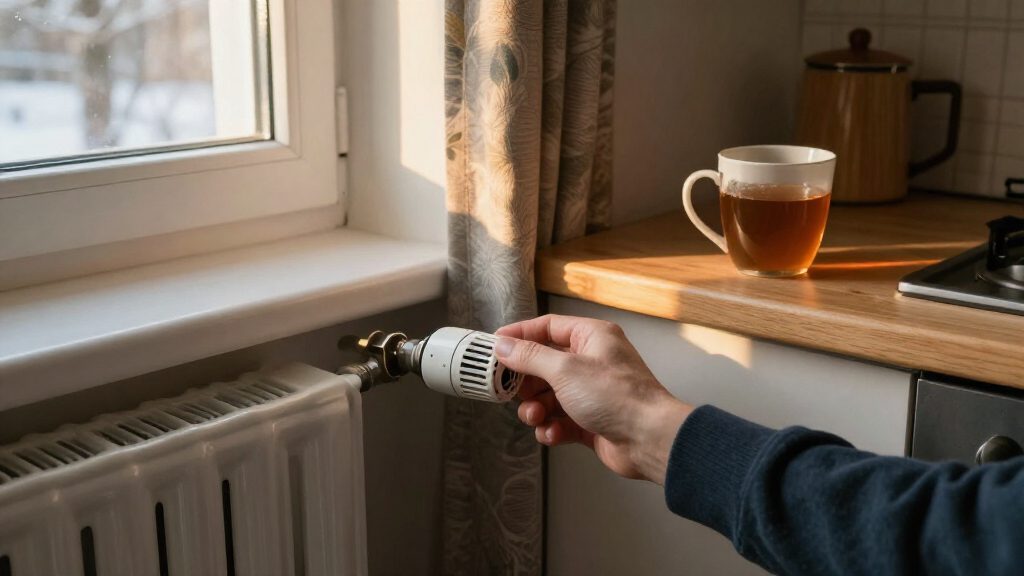
The experts’ recommendations focus on helping heat circulate and limiting heating to times it is needed. Heatforce specialists quoted in the report advise setting a thermostat to around 66 degrees Fahrenheit while people are home and awake, then lowering it by four to six degrees overnight. They also claim that each degree above 66°F can add 10% to annual heating costs. The report does not identify the source or calculation behind that figure, so it should be treated as an attributed estimate, not a universal rule.
Other suggestions include moving furniture and curtains away from radiators, with Energy Shop expert Scott Byrom saying that leaving about six inches of clearance can help warm air move through a room. David Wilson Homes innovation head Oliver Novakovic recommends door draft blockers and sealing gaps around frames. Electric Radiators Direct heating expert Stephen Hankinson advises scheduling heating for occupied periods rather than leaving it on all day, and bleeding radiators at least annually if air pockets cause cold spots.
The report also warns against drying clothes directly on radiators, which can obstruct heat circulation and contribute to dampness, and recommends checking old electric blankets for condition and safety features. Vonhaus home electrical buyer Adele Brennan says older blankets or those without overheating protection can pose a fire hazard; newer models may include automatic shut-off. The source excerpt ends during its discussion of clothes drying, and does not supply the complete final advice or identify the eighth mistake in the headline.
Small Habits Affect Home Heating
The advice matters because it links daily household routines to both comfort and energy use. A blocked radiator or draft may make a room feel cold even while the heating is running, potentially prompting people to turn up the thermostat or leave the system on longer. Clearing obstructions, sealing gaps and using a schedule may address some of those problems without changing the heating system itself.
There is also a safety dimension: the warning about older electric blankets concerns potential fire risk, not simply efficiency. The article’s recommendations are general, however. Actual costs and results depend on factors such as a home’s insulation, heating system, energy prices, outdoor conditions and thermostat controls. Readers should not treat the reported 10% figure as a guaranteed saving or assume every home will benefit equally.
Products Worth Considering

Cuisinart Freeze Ease Automatic Ice Cream Maker, 1-Quart

Instant Pot Duo Plus 6-Quart 9-in-1 Electric Pressure Cooker

Instant Pot Pro 6-Quart 10-in-1 Electric Pressure Cooker
As an affiliate, we earn on qualifying purchases.
Advice Drawn From Heating Specialists
The source is a House Beautiful article framed around expert advice for reducing wasted heating and improving comfort during colder weather. It quotes people identified as specialists from Heatforce, Furniture & Choice, The Energy Shop, David Wilson Homes, Vonhaus and Electric Radiators Direct. The supplied material provides recommendations and attributed claims, rather than results from a controlled study or an assessment of a particular household’s bills.
The eight mistakes named in the headline are turning the thermostat up too high, blocking radiators, ignoring drafts, relying on an old heated blanket, running heating all day, failing to bleed radiators, drying clothes on radiators and one further item not present in the supplied excerpt. The missing item cannot be reliably identified from the available text.
“Each degree above 66 degrees Fahrenheit can add a whopping 10 percent to your annual heating costs.”
— Heating specialists at Heatforce, as quoted by House Beautiful
Savings And Eighth Mistake Unspecified
The supplied source does not state when the House Beautiful article was published, provide household-specific bill data or explain the basis for the claim that each degree above 66°F adds 10% to annual heating costs. No verified savings total is given for following the recommendations.
The excerpt also stops mid-sentence in the clothes-drying section and does not include the identity or details of the eighth mistake promised in the headline. It is unclear whether the full article contains additional qualifications, further safety guidance or other evidence not included in the provided material.
Check The Full Advice Before Acting
The source material does not announce a follow-up study, policy change or scheduled next development. Readers seeking the complete list should consult the original House Beautiful report, since one of its eight headline items is absent from the supplied excerpt. Anyone considering changes should check their heating-system instructions and local guidance; electric blanket users should inspect products for damage and follow the manufacturer’s safety directions.
Key Questions
What heating mistakes does the supplied report identify?
It names setting the thermostat too high, blocking radiators, leaving drafts unaddressed, using an old heated blanket, running heating all day, neglecting radiator bleeding and drying clothes on radiators. The eighth item is missing from the supplied excerpt.
Does the report prove these changes will lower every household’s bill?
No. It offers expert recommendations and an attributed estimate about thermostat settings, but does not provide measured results for individual homes or a guaranteed saving. Outcomes can depend on the home, heating system, weather and energy prices.
What thermostat setting does the report suggest?
Heatforce specialists quoted by House Beautiful suggest around 66°F while at home and awake, with a four-to-six-degree reduction overnight. This is general advice in the article, not a tailored setting for every person or property.
What does the article say about electric blankets?
It advises checking an older blanket’s age and condition. Vonhaus’s Adele Brennan warns that older blankets, or those without overheating protection, can pose a fire hazard; users should follow the manufacturer’s instructions and replace damaged products.
Source: housebeautiful.com