
TL;DR

Get kitchen gear delivered free with Prime
- Fast, free delivery on millions of items
- Prime Video, Amazon Music and more included
- Member-only deals all year
Retrofitting insulation can make a home warmer and may reduce the need for heating, but the benefits depend on the building and the insulation method. Experts cited by Ideal Home caution that older homes need a moisture and ventilation assessment before work begins; savings, costs and payback were not quantified in the report.
Retrofitting insulation can help keep heat inside a home and may lower the amount of heating needed, but the right approach depends on the building, according to experts quoted in an Ideal Home report. They warn that installing insulation without checking wall construction, moisture and ventilation can create problems, especially in older properties.
The report’s central advice is to assess a home before choosing materials or starting work. Becky Lane, chief executive of Furbnow, said buildings built before the 1930s may have been designed to let moisture pass through their walls. Making such a home more airtight without adequate ventilation, she said, can trap moisture. The source does not establish that insulation itself will cause damp; it says unsuitable materials or installation can increase the risk.
Martyn Fowler, founder of Elite Renewables, also cautioned against treating homes as interchangeable. He said a Victorian solid-wall house behaves differently from a 1930s cavity-wall property. Older solid walls may need to dry out, and a poorly selected or fitted insulation system can lead to damp problems later. Both experts recommend understanding the construction and condition of the building first.
Disruption varies by method. Lane described loft insulation as relatively straightforward and cavity-wall insulation as typically completed in two to four hours, with the property occupied during the work. Fowler said cavity-wall installers drill small holes in external walls, inject material and repair the holes. Internal wall insulation is more involved: fittings may need to be moved, rooms cleared and walls redecorated. External insulation generally keeps work outside but may require scaffolding and adjustments around pipes, windows and other fittings.
Comfort Depends on the Right Fit
For households hoping to stay warm while spending less on heating, insulation can reduce heat escaping through a home’s walls or roof. That may improve comfort and reduce the need to run central heating as much. But the source offers no figures for likely bill reductions, installation costs or payback periods, so it does not establish how much a particular household would save.
The practical consequence is that a cheaper or simpler installation is not automatically the best choice. Work that ignores moisture movement or ventilation may create building problems, while more involved options can mean room-by-room disruption or changes to a home’s exterior. A suitable assessment can help homeowners compare potential comfort gains against cost, disruption and risks specific to their property.
Products Worth Considering

KitchenAid Artisan 5-Quart Tilt-Head Stand Mixer, Blue Velvet

Vitamix Touch & Go Advance 32-Ounce Bar Blender, White

Vitamix 5200 Blender with 64 oz. Container, Black
As an affiliate, we earn on qualifying purchases.
Insulation Choices Vary by Home
The report considers retrofitting as a response to householders seeking warmth without relying on central heating throughout the day. It covers several approaches rather than endorsing one universal solution. Loft insulation is presented as a relatively easy starting point; cavity-wall insulation may be straightforward if the property is suitable; solid-wall insulation is described as more involved.
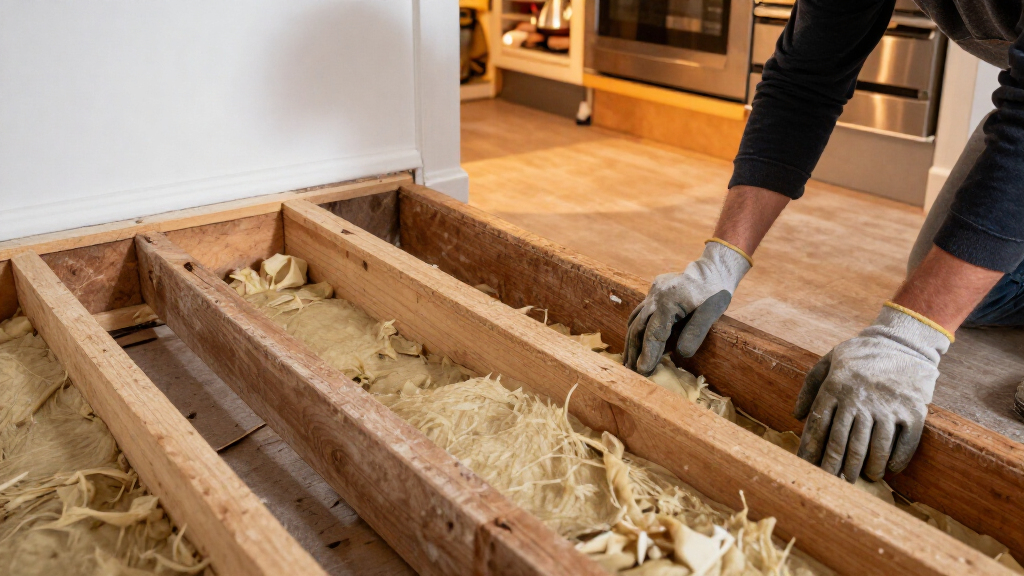
Fowler said cavity walls should be checked for condition, exposure to driving rain and whether the cavity is clear before it is filled. For solid walls, insulation can be fitted internally or externally, with different effects on the rooms and the building’s appearance. Floor insulation is another option, but the source excerpt says access affects how difficult the work is and does not provide further detail.
“You can’t just put any insulation material on any wall.”
— Becky Lane, chief executive of Furbnow
Savings and Suitability Need Checking
The report does not provide independent measurements of energy savings, typical installation prices or the time needed to recover costs. Its headline question—whether insulation can mean a warmer home and lower bills—therefore cannot be answered with a guaranteed saving based on the material supplied. Outcomes will depend on the home, existing insulation, energy use, selected system and installation quality.
The source also does not give a full assessment of any individual property or establish which insulation type is suitable for a specific reader’s home. It notes that cavity condition, exposure to driving rain, moisture management and ventilation matter, but offers no property-specific findings. Homeowners should treat the expert comments as general guidance, not a diagnosis or a promise of savings.
Assess the Home Before Work
For a homeowner considering a retrofit, the next step described by the experts is to establish how the property is built and whether the proposed insulation is appropriate. That includes checking wall type and condition, moisture behaviour and ventilation, as well as confirming that a cavity is clear before it is filled. The source does not name a formal assessment scheme or provide a checklist of required credentials.
Work can be phased, Lane said, with internal insulation carried out room by room to spread cost and disruption. Before choosing a project, householders can compare the likely work involved—such as moving fittings indoors or arranging scaffolding outside—with the expected comfort improvement. The source supplies no timetable for future developments or data that would allow a reliable bill-saving forecast.
Key Questions
Can retrofit insulation make a home warmer and reduce heating bills?
Insulation can reduce heat loss and may lower the need for heating, but the report gives no quantified savings or guarantee. Results depend on the home and the work carried out.
Is insulation safe for an older house?
It can be suitable, but the experts say the building’s construction, moisture management and ventilation should be understood first. Older solid-wall homes may need to dry out, so an unsuitable system or poor installation can create damp problems.
Which insulation retrofit is least disruptive?
Lane describes loft insulation as relatively straightforward and cavity-wall work as typically taking two to four hours. Whether a home is suitable for cavity filling should be checked, including the condition and clearance of the cavity.
How disruptive is internal wall insulation?
It can require clearing rooms and moving radiators, sockets, skirting boards or, in some cases, kitchens. The walls then need finishing and redecorating. The report says the work may be phased room by room.
Does the report say how much money homeowners will save?
No. The source material provides no typical bill reductions, installation costs or payback periods. Any estimate would need to account for the property and the proposed work.
Source: idealhome.co.uk