TL;DR

Get kitchen gear delivered free with Prime
- Fast, free delivery on millions of items
- Prime Video, Amazon Music and more included
- Member-only deals all year
A Veranda report lists eight traditional hosting practices that etiquette experts Diane Gottsman and Lizzie Post say remain useful: plan ahead, welcome and talk with guests, dress for the occasion, serve on time, set an inviting table and scene, put phones away, and check household essentials. The guidance is advice, not a formal new etiquette standard, and the report does not present research measuring the effect of these habits.
Veranda has published eight traditional hosting rules that etiquette experts Diane Gottsman and Lizzie Post say still apply, including planning ahead, giving guests personal attention and putting phones away. The guidance matters to readers preparing to host because it focuses on practical ways to reduce awkwardness and help guests feel welcome, rather than on elaborate or expensive entertaining.
The recommendations begin before guests arrive. Hosts are advised to plan shopping and recipes in advance, set the table the day before and keep a backup meal available in case the main course goes wrong. Post also recommends preparing for delays: have appetizers ready so guests are not left hungry if dinner is not served on time.
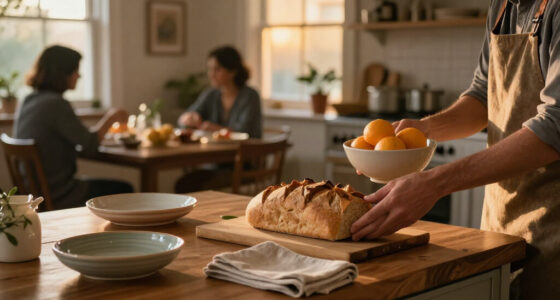
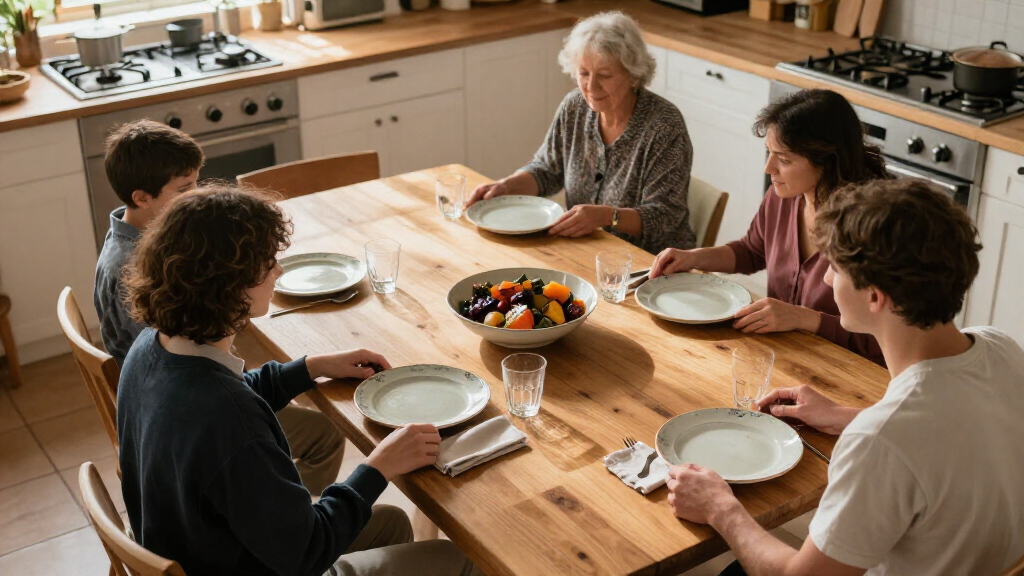
During the gathering, the article says hosts should make time to talk with each guest, using open-ended questions to encourage conversation. It also suggests dressing with care, serving at the promised time, and setting a welcoming table with items such as table linens, good china, attractive flatware or a few fresh flowers. These are presented as options, not requirements for every occasion.
The remaining rules focus on the home and attention. Gottsman recommends creating a comfortable entrance and atmosphere, with a clear walkway and background music, and checking that the guest bathroom has soap, toilet paper and fresh towels. She also advises hosts to put away their phones and focus on the people at the table. The report does not claim that every household needs formal tableware or a particular style of décor.
Small Habits That Welcome Guests
The advice centers on hospitality as a matter of preparation and attention, not spending. Checking bathroom supplies, having a backup dish and keeping conversation moving are low-cost steps that may prevent common hosting discomforts. A well-prepared host can also spend less time troubleshooting during the gathering and more time with guests.
The recommendations are relevant to both formal dinners and casual get-togethers: the article explicitly frames the practices as adaptable to family meals, drinks with friends and dinner parties. Their usefulness will vary with the event, the home and the guests. The report offers expert guidance, not evidence that following a fixed checklist guarantees a successful occasion.
Products Worth Considering

Instant Pot Duo Plus 6-Quart 9-in-1 Electric Pressure Cooker

Vitamix 5200 Blender with 64 oz. Container, Black

KitchenAid Artisan 5-Quart Tilt-Head Stand Mixer, Almond Cream
As an affiliate, we earn on qualifying purchases.
Etiquette Advice Across Generations
The Veranda report presents these habits as older customs that continue to have a place in modern entertaining. Gottsman is identified as a national etiquette expert with The Protocol School of Texas. Post is co-host of the Awesome Etiquette podcast and co-president of the Emily Post Institute.
Both experts connect etiquette with guests’ comfort. The article’s focus is not on enforcing rigid formal rules, but on thoughtful details: being ready on time, making conversation inclusive and avoiding distractions. Its eight suggestions are a contemporary guide drawn from the experts’ comments, rather than a new policy or a change to formal etiquette standards.
“These rules still apply today.”
— Lizzie Post, co-host of the Awesome Etiquette podcast and co-president of the Emily Post Institute
Advice, Not a Tested Checklist
The source provides expert recommendations but no survey, study or outcome data showing how often hosts follow the rules or how much the practices affect guests’ experience. It also does not establish that the advice applies equally to every culture, household or type of event. The article offers no single required dress code, menu or table setting; its examples are suggestions for hosts to adapt.
Adapting the Rules to Each Gathering
The report does not identify a scheduled follow-up or a policy change. For readers planning an event, its practical next steps are to match the preparations to the occasion: confirm the menu and timing, make sure guests can use the bathroom comfortably, and decide how to give them attention without turning a casual gathering into a formal one. The source does not say that hosts need to adopt all eight practices.
Key Questions
What are the eight hosting rules in the report?
The report recommends planning ahead, welcoming and talking with guests, dressing for the occasion, serving on time, creating an inviting table, setting a comfortable scene, putting phones away and checking household essentials before guests arrive.
Who gives the etiquette advice?
The article quotes Diane Gottsman, an etiquette expert with The Protocol School of Texas, and Lizzie Post, co-president of the Emily Post Institute and co-host of the Awesome Etiquette podcast.
Does the advice require formal china or elaborate decorations?
No. The report offers table linens, good china, attractive flatware and fresh flowers as ways to create a special setting, but it does not say these are required. The recommendations can be adapted to the occasion and the host’s home.
What should a host do if dinner is delayed?
Post recommends keeping extra appetizers available so guests are not left hungry if the meal is late. The report also suggests having a backup dish in case the main course fails.
Does the article show that these rules improve hosting outcomes?
No. It presents the views of etiquette experts, but provides no study or measurement of the rules’ effects. They are recommendations, not a tested checklist or guarantee of a successful gathering.
Source: veranda.com