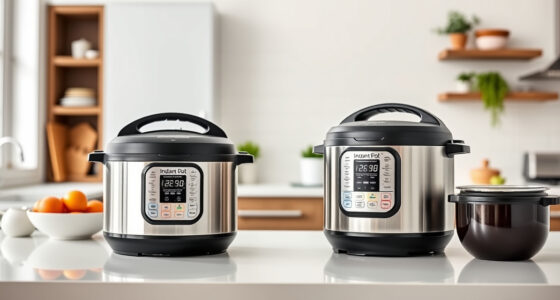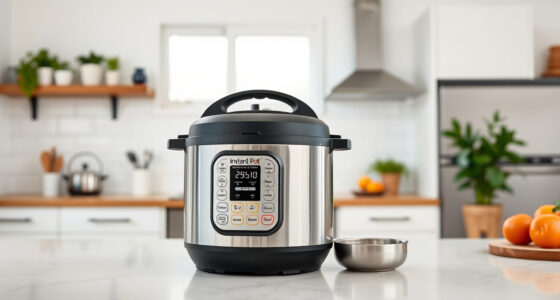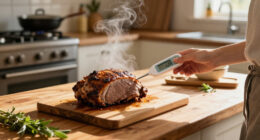
In a modern air fryer combo, you choose between steam and dry reheat based on your leftovers. Steam reheat adds moisture at lower temperatures, making it great for dishes like casseroles or rice, and helps retain their tenderness. Dry reheat uses hot air at higher temps, perfect for crispy foods like fries or fried chicken, giving you that fresh crunch. Knowing which method suits your meal can considerably improve your leftovers; explore further to master each approach.

Get kitchen gear delivered free with Prime
- Fast, free delivery on millions of items
- Prime Video, Amazon Music and more included
- Member-only deals all year
Key Takeaways
- Dry reheat uses hot air for crispiness, ideal for fried or crunchy foods, typically at 350°F for 3-5 minutes.
- Steam reheat adds moisture via water or broth, suitable for delicate or moist foods, usually at 300°F for 5-8 minutes.
- Temperature control is critical to prevent dryness in dry reheat and over-sogginess in steam reheat.
- Modern air fryer combos often feature preset options for both methods, simplifying the reheat process.
- Choosing between steam and dry reheat depends on food type and desired texture, with dry emphasizing crispiness and steam preserving moisture.

Reheating leftovers in modern air fryers is a quick and efficient way to restore crispy textures and fresh flavors. Whether you’re warming up fried chicken, pizza, or roasted vegetables, understanding the difference between steam reheat and dry reheat methods can make a significant impact on the results. Both techniques leverage the air fryer’s versatility, but they require different approaches to temperature control and cooking duration to achieve ideal outcomes.
Reheat leftovers quickly with dry or steam methods for perfect crispy or moist textures in your air fryer.
When you choose the dry reheat method, you’re fundamentally using hot air circulation to crisp up your leftovers while gently warming them through conduction. This method is ideal for foods that benefit from a crunchy exterior, like breaded chicken or crispy fries. To get the best results, you should set the air fryer to a moderate temperature—around 350°F (175°C)—and keep an eye on the cooking duration. Typically, 3 to 5 minutes suffices, but you might need to adjust based on the thickness of your food. The key here is precise temperature control to prevent over-drying or burning, and sticking to the recommended cooking duration ensures your leftovers heat evenly without becoming tough. Additionally, temperature control is crucial for preventing food from drying out or burning during the process. Adjusting the airflow settings can also influence how evenly your food reheats, especially with larger or more dense items.
On the other hand, the steam reheat method involves adding moisture to the process, making it perfect for foods that tend to dry out quickly, such as casseroles, rice, or pasta. In this case, you might add a small amount of water or broth to the bottom of the basket or tray, then set the air fryer to a lower temperature—around 300°F (150°C). The cooking duration tends to be slightly longer, often 5 to 8 minutes, to allow the steam to penetrate and gently rehydrate your leftovers. Temperature control is essential here because too high a temperature can cause the moisture to evaporate too quickly, leading to uneven reheating or dry patches. Maintaining a steady, moderate temperature helps guarantee the food heats uniformly and retains moisture, preserving its original texture and flavor. Additionally, understanding the different reheating techniques can help you better tailor your approach depending on the type of food and desired outcome, ultimately saving time and reducing food waste. Using the right technique can also help preserve the nutritional value of your leftovers, ensuring you enjoy healthy, tasty meals.
Ultimately, the choice between steam reheat and dry reheat depends on what you’re reheating and your desired results. For crispiness and a quick turnaround, dry reheat at controlled temperatures and precise timing works best. For tenderness and moisture retention, steam reheat offers gentle, even warming, especially for delicate or moist foods. Mastering these techniques means paying close attention to temperature control and cooking duration, which are vital for consistently great reheating in your modern air fryer combo. A proper reheating method can also help preserve the nutritional value and quality of your leftovers.
As an affiliate, we earn on qualifying purchases.
Frequently Asked Questions
Can Steam Reheat Preserve Original Food Texture Better Than Dry Reheat?
Steam reheat often preserves the original food texture better than dry reheat because it promotes moisture retention, preventing foods from drying out or becoming tough. With steam, you maintain the dish’s tenderness and juiciness, making it ideal for reheating leftovers like rice or vegetables. Dry reheat, on the other hand, can make foods crispier or sometimes dry, which may not always be desirable for delicate textures.
Is One Reheat Method Safer for Certain Food Types Than the Other?
Absolutely, you should select the safest reheating method based on food type. Steam reheating generally offers safer food safety because it heats food evenly and thoroughly, reducing bacteria risks. Dry reheating can sometimes dry out or unevenly heat delicate foods. Always follow reheating guidelines, ensuring foods reach proper internal temperatures. With proper precautions, both methods can be safe, but steam reheating is especially reliable for preserving safety in moist, delicate dishes.
How Does Reheat Time Compare Between Steam and Dry Reheat?
Steam reheat typically takes longer than dry reheat because it takes time to generate and distribute steam evenly, impacting reheat efficiency. Dry reheat is usually quicker, saving energy consumption and reducing overall reheat time. If you’re in a hurry, dry reheating might be better, but if you prefer thorough, moist reheating, expect a slightly longer process. Your choice depends on balancing reheat time with food quality and energy use.
Are There Specific Foods That Respond Better to Steam Reheat?
You’ll find that foods like steamed vegetables, rice, and delicate seafood respond better to steam reheat. This method helps preserve flavor and retains moisture, preventing dryness and maintaining original textures. Since steam gently heats without drying out, your dishes stay juicy and flavorful. If you want your leftovers to taste as fresh as when cooked, using steam reheat is your best choice for moisture retention and flavor preservation.
Does Reheat Method Affect Nutrient Retention in Leftovers?
Reheating method does impact nutrient retention in leftovers. Steam reheat helps preserve flavor, moisture, and nutrients better, making it more energy-efficient since it heats evenly without overcooking. Dry reheat can sometimes lead to nutrient loss, especially in delicate foods, and might require more energy due to longer cooking times. If you want to maintain flavor and nutrients efficiently, steaming is generally the better choice for leftovers.
Conclusion
When it comes to reheating with your air fryer combo, choosing between steam reheat and dry reheat can feel like deciding between a gentle breeze and a blazing fire. Both methods work wonders, but the right choice depends on your food’s needs. Mastering these techniques transforms your kitchen into a culinary wizardry zone, saving you time and effort. With these tools, you’ll elevate leftovers to a level so perfect, it’s almost like you’ve discovered the secret to gourmet magic every single day.
Fall Picks
fall essentials
As an affiliate, we earn on qualifying purchases.