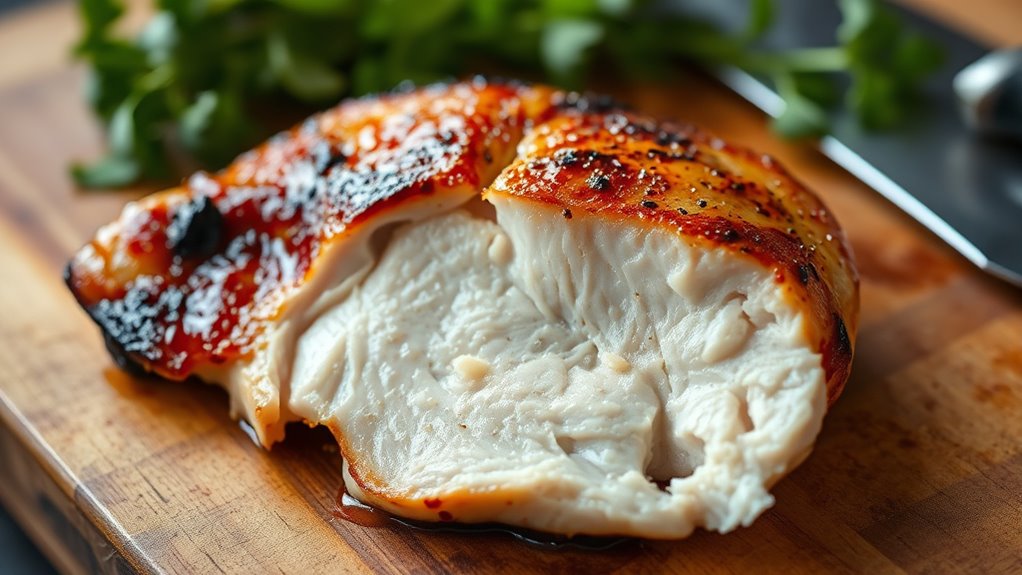

To keep proteins juicy without oil, you need to understand how heat, structure, and technique affect moisture loss. Avoid high temperatures that cause rapid denaturation and evaporation, which dry out meat. Use methods like marinating, covering, and resting the protein after cooking to help retain natural juices. Precise temperature control and selecting gentle cooking methods also prevent excessive moisture loss. Keep exploring these principles, and you’ll discover more ways to achieve perfectly juicy proteins every time.
Key Takeaways
- Proper temperature control prevents excessive moisture loss by avoiding overcooking and denaturation of proteins.
- Covering proteins during cooking traps steam, reducing evaporation and maintaining natural juiciness.
- Marinades with acids or salts create barriers that slow moisture escape without adding oil.
- Resting cooked proteins allows juices to redistribute, minimizing moisture runoff when sliced.
- Gentle cooking methods like sous-vide or indirect heat preserve moisture without relying on oil.

Nuwave Bravo XL Pro Air Fryer Toaster Oven with Grill Combo, 2025 New Ultra-Fast Convection System, 35% Crispier, 2X More Even, 142 Presets, 50-500F, Smarter Probe, PFAS Free, 30QT, Stainless Steel
142 EASY-COOK PRESETS: The Bravo toaster oven countertop is equipped with 12 versatile cooking functions including air fry,...
As an affiliate, we earn on qualifying purchases.
How Proteins Lose Moisture During Cooking

When you cook proteins, they naturally lose moisture through a process called denaturation, where heat causes the proteins’ structures to unfold. This structural change pushes water out of the muscle fibers, leading to moisture loss. To counteract this, you can use marination techniques that help improve ingredient moisture content. Marinades often contain acids, salts, or oils that penetrate the meat, creating a barrier that slows moisture escape. Proper marination can also modify the protein structure slightly, making it less prone to excessive moisture loss during cooking. Additionally, understanding the initial moisture content of your ingredients allows you to adjust cooking times and methods accordingly. By managing these factors, you keep your proteins juicy and tender, even as they undergo the natural changes caused by heat.
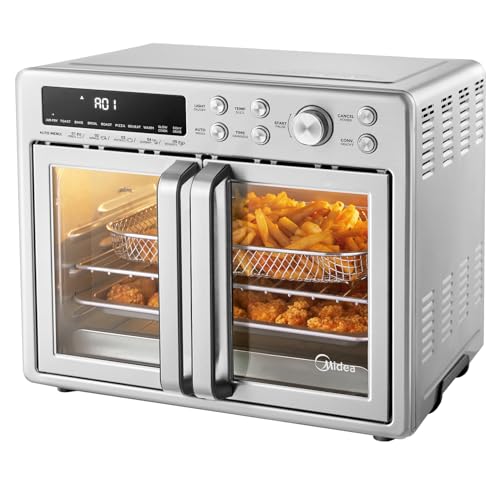
Midea Flexify French Door Toaster Oven Air Fryer Combo, 26.4 QT, Extra Large Air Fryer Countertop Oven 10-in-1 Combo, 25% Faster Cooking and 90% Less Oil, Stainless Steel
Cyclone Air Fryer: Enjoy 25% faster cooking and 90% less oil compared to traditional fryers, . This all-in-one...
As an affiliate, we earn on qualifying purchases.
The Role of Temperature in Moisture Retention
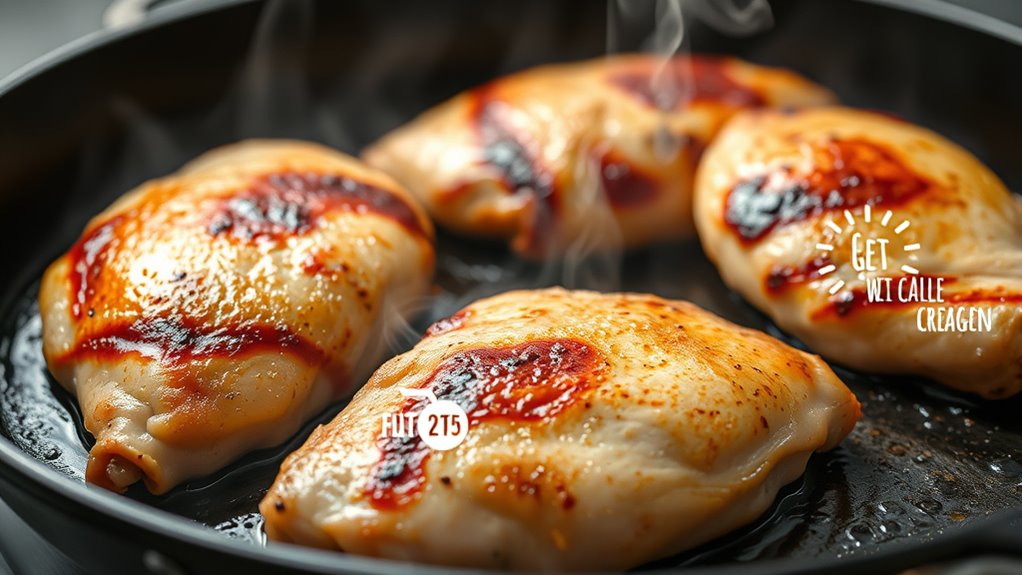
Your cooking temperature directly impacts how much moisture your food retains. Using the right temperature helps prevent excess loss and keeps your dishes juicy. Monitoring your heat ensures you avoid overcooking and maintain ideal moisture levels. Understanding precious metal investments can also teach you the importance of precise control in your processes.
Optimal Cooking Temperatures
Have you ever wondered how cooking temperature influences moisture retention in your food? The key is finding the ideal temperature that cooks proteins thoroughly without squeezing out too much moisture. Cooking too hot causes rapid moisture loss, making your meat dry and tough. On the other hand, cooking too cool may result in undercooked proteins and missed flavor infusion. To maximize juiciness, use seasoning techniques that enhance flavor without relying on excessive oil, and cook at temperatures that allow even heat distribution. This balance helps lock in natural juices while ensuring proper doneness. Remember, precise temperature control preserves moisture, improves texture, and enhances flavor, making your dishes more succulent and satisfying. Achieving the right temperature is essential for juicy, flavorful proteins every time. Proper cooking techniques are vital for maintaining moisture and tenderness in your dishes.
Excess Heat Effects
Cooking at excessive heat speeds up moisture loss, causing your meat to become dry and tough. Sizzling searing can enhance flavor, but if you go too high, the rapid surface evaporation leads to dryness. Overcooking pitfalls become more likely when heat is uncontrolled, resulting in proteins losing their juiciness. High temperatures denature proteins quickly, pushing moisture out before it can redistribute. This not only compromises texture but also diminishes flavor. To keep your meat juicy, avoid the temptation of intense heat that causes excessive moisture evaporation. Instead, aim for a balance that promotes browning without sacrificing tenderness. Remember, the key is controlling heat to prevent the rapid moisture loss associated with excessive temperatures. Proper temperature management helps you achieve a perfectly tender, juicy result every time, just as AI safety emphasizes the importance of robust safety measures to prevent unintended outcomes.
Temperature Monitoring Tips
Monitoring the right temperature during cooking is essential for preserving moisture in your meat. To do this effectively, ensure your thermometer is properly calibrated; inaccurate readings can lead to overcooking or undercooking. Use a reliable thermometer to track temperature zones precisely, especially when approaching critical points like the safe zone or higher heat areas. Pay attention to these zones to prevent excessive moisture loss, which occurs when meat is cooked beyond its ideal temperature. Insert the thermometer into the thickest part of the meat, avoiding bones or fat for an accurate reading. Regular calibration checks and awareness of temperature zones help you maintain ideal conditions, guaranteeing your protein stays juicy and tender without unnecessary dryness. Proper temperature monitoring is your key to perfect moisture retention.
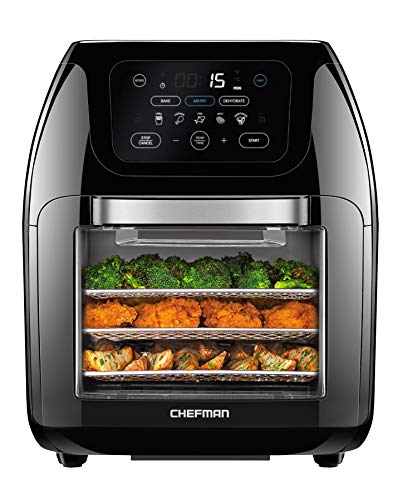
CHEFMAN Multifunctional Digital Air Fryer+ Rotisserie, Dehydrator, Convection Oven, 17 Touch Screen Presets Fry, Roast, Dehydrate, Bake, XL 10L Family Size, Auto Shutoff, Large Easy-View Window, Black
Versatile countertop cooking: Air fry, bake, dehydrate, rotisserie, or roast to crispy perfection in one convenient appliance
As an affiliate, we earn on qualifying purchases.
Denaturation: Changing Protein Structure and Its Impact
What exactly happens to proteins when they undergo denaturation? You see, denaturation disrupts the natural protein folding process, causing the molecules to lose their specific three-dimensional shape. This change impacts the structural integrity that keeps proteins functional and stable. When proteins denature, they unfold or reconfigure, which can lead to a loss of their original properties. This structural shift affects how proteins interact with moisture, often making them more prone to moisture loss during cooking. Understanding this process helps you control cooking conditions to preserve protein structure, keeping your dishes juicy without relying on added oils. Additionally, the variability in restaurant hours, as noted in local business hours, can influence the timing of your meal preparation, ensuring you choose the right moment to cook. By managing denaturation, you maintain the delicate balance necessary for ideal moisture retention and a tender, flavorful result.

Gourmia Air Fryer 7 QT - Easy View Panorama Window & Interior Light, Guided Cooking with 12 One-Touch Presets, FryForce 360, Dishwasher Safe Accessories, Green
Family-Size 7 Qt Capacity – Easily fits wings, fries, vegetables, seafood, and even full entrées. Cook generous portions...
As an affiliate, we earn on qualifying purchases.
Evaporation and Its Effect on Juiciness
Evaporation plays a crucial role in determining how juicy your food remains during cooking. As moisture escapes through evaporation, your protein can become dry and less appealing. Seasonal variations influence evaporation rates; warmer months increase surface moisture loss, while cooler periods slow it down. Moisture migration from the interior to the surface accelerates evaporation, especially when heat is applied unevenly. Visualize:
- Steam rising from hot surfaces like a gentle fog
- Juices bubbling and flickering at the edges
- The shrinking of meat as moisture leaves
- A dry crust forming on the surface
- The dampness vanishing into the air
Understanding these processes helps you control evaporation, preserving juiciness. By managing heat and moisture flow, you can reduce moisture loss, even during seasonal shifts, keeping your proteins tender and flavorful. Additionally, using proper headphone connection techniques can help you monitor your cooking process more precisely with audio cues.
Techniques to Minimize Moisture Loss Without Oil

To keep your food moist without oil, start by cooking at proper temperatures to prevent over-drying. Use moisture-retaining techniques like covering or steaming, and always let meat rest before slicing. Proper storage also helps preserve juiciness, ensuring your dishes stay tender and flavorful.
Proper Cooking Temperatures
Maintaining the right cooking temperature is essential for minimizing moisture loss without relying on oil. Cooking proteins at too high a temperature causes rapid moisture evaporation, while too low results in uneven cooking. Precise heat control preserves juiciness and enhances marination science, allowing flavors to infuse deeply without drying out the meat. When you cook at the *ideal* temperature, you create a sealed environment that traps moisture and maximizes flavor infusion. Picture:
- Gentle sizzle as proteins cook evenly
- Juices retained within each fiber
- Tender, moist texture with every bite
- Flavorful aroma wafting through the kitchen
- Consistent results with less shrinkage
- Utilizing proper cooking techniques can also prevent overcooking and maintain optimal moisture levels.
Moisture-Retaining Techniques
Using moisture-retaining techniques is key to keeping your food juicy and flavorful without added oil. One effective method is applying marinade techniques that help lock in moisture while enhancing flavor. Marinades with acids, like citrus or vinegar, create a barrier that reduces moisture loss during cooking. Additionally, using moisture barriers such as silicone mats or baking sheets with a non-stick surface prevents moisture from escaping too quickly. Covering your proteins with foil or a lid during cooking also traps steam, maintaining juiciness. Remember, choosing the right marinade ingredients and covering your dish appropriately can considerably minimize moisture loss. The effectiveness of these techniques is supported by the understanding that soulmate angel numbers often appear during significant life transitions, indicating readiness for love and positive change. These simple techniques allow you to enjoy tender, juicy proteins without relying on oil, making your dishes healthier and just as delicious.
Resting and Storage
After cooking, resting and proper storage are essential for preserving moisture without added oil. Resting allows juices to redistribute within the protein, preventing moisture loss when sliced. Use appropriate storage containers that seal tightly, preventing dehydration and freezer burn. To minimize moisture loss during marination, choose techniques that penetrate without breaking down proteins, like acid-based marinades or vacuum sealing. When storing leftovers, keep them in airtight containers and avoid exposure to air, which can cause drying. For ideal results, refrigerate or freeze promptly, and avoid repeatedly opening containers. Proper resting and storage techniques lock in natural juices and maintain tenderness, ensuring your proteins stay juicy without relying on oil. Additionally, understanding the effects of moisture loss on protein quality can help tailor your preservation methods for better results. These practices are key to preserving moisture and flavor effortlessly.
The Importance of Resting and Proper Resting Techniques

Have you ever wondered why resting is a crucial part of managing moisture loss? Proper resting allows juices to redistribute within the protein, preventing excess moisture runoff. It also enhances flavor infusion, especially when combined with marinating techniques that penetrate the meat during resting. Without resting, cutting into hot meat releases moisture prematurely, leading to dryness. To maximize benefits, use these techniques:
| Technique | Purpose | Effect |
|---|---|---|
| Resting time | Juices redistribute | Juicier, more flavorful meat |
| Tent with foil | Maintain temperature and moisture | Prevents moisture loss |
| Marinating before resting | Infuses flavor and tenderizes | More flavorful, tender meat |
| Gentle handling | Avoids disrupting juices | Keeps moisture locked in |
Additionally, ensuring proper home cleaning can help maintain a hygienic environment that supports overall health and well-being.
Selecting the Right Cooking Methods for Juicy Results
Choosing the right cooking method makes all the difference in keeping meat juicy and flavorful. Your goal is to minimize moisture loss while maximizing flavor infusion. Grilling techniques, for example, allow quick searing over high heat, locking in juices with a flavorful crust. Alternatively, methods like sous-vide gently cook meat in a water bath, ensuring even doneness and moisture retention. Roasting at moderate temperatures helps prevent drying out, especially when combined with basting or wrapping. Picture these techniques:
- Searing steaks over hot coals, creating a smoky, caramelized crust
- Using indirect heat for slow, gentle cooking
- Covering dishes to trap moisture and flavors
- Incorporating marinades or rubs for flavor infusion
- Applying a quick sear after low-temperature cooking for a flavor boost
Understanding the importance of temperature control can further help prevent moisture loss and preserve tenderness in your proteins.
Frequently Asked Questions
How Does Humidity Affect Moisture Retention in Cooked Proteins?
Humidity impact plays a significant role in moisture retention when cooking proteins. If the air is humid, it can slow down moisture loss, helping your proteins stay juicy. Conversely, low humidity speeds up evaporation, making your proteins dry out faster. You should monitor the environment and adjust cooking methods accordingly. Using a covered pan or steaming can help maintain ideal humidity levels, ensuring your proteins stay tender and moist.
Can Marinades Help Prevent Moisture Loss Without Oil?
While marinades might seem like a simple boost, they do more than just flavor enhancement. By incorporating acids, they create a gentle embrace that helps lock in moisture, reducing the risk of dryness. The acid effects tenderize and form a barrier, allowing proteins to retain their juiciness without oil. So, yes, marinades can be a valuable tool in your culinary arsenal to preserve moisture naturally.
What Are the Best Internal Temperatures for Maximum Juiciness?
You want to know the best internal temperatures for maximum juiciness, right? Focus on thermal penetration—monitoring your meat’s internal temp helps keep it tender and flavorful. For poultry, aim for 165°F; for beef, between 130°F and 140°F for medium rare. These temperatures preserve moisture, preventing overcooking. Use a reliable thermometer to guarantee precise readings, and you’ll enjoy perfectly juicy proteins every time.
Does Marinating Protein Beforehand Influence Moisture Loss?
Marinating your protein beforehand definitely influences moisture retention. Using effective marination techniques, like adding acids or enzymes, helps tenderize and infuse flavor. This process creates a barrier that reduces moisture loss during cooking, keeping your protein juicy. So, don’t skip marination if you want enhanced flavor infusion and better moisture retention. Just make certain you don’t marinate too long, as overdoing it can break down proteins and cause excessive moisture loss.
How Does Resting Time Post-Cooking Impact Protein Moisture Levels?
Think of resting time as giving your protein a chance to catch its breath. Resting benefits your meat by allowing moisture redistribution, which keeps it juicy. When you let it sit after cooking, the juices settle back into the fibers, preventing excessive moisture loss. So, for a tender, moist result, give your protein some time to rest—it’s like letting a story unfold fully before the final chapter.
Conclusion
By understanding how moisture escapes and mastering gentle cooking techniques, you can keep your proteins beautifully tender and juicy without relying on oil. With a little patience and the right methods, you’ll discover that perfect balance where flavor and succulence shine through. So, embrace the art of mindful cooking—your taste buds will thank you for the delightful, moist results that don’t need extra adornment. Happy cooking!