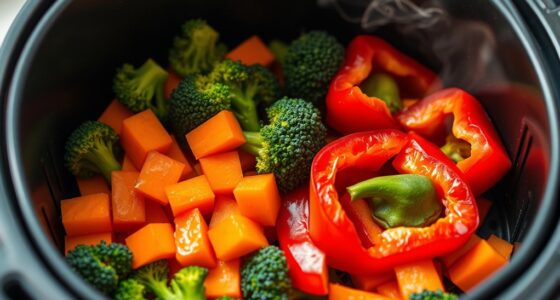

As a health-conscious cook, it’s important to balance flavor with safety when browning foods. Proper browning enhances natural sweetness, umami, and texture without overdoing it, which can produce harmful compounds like acrylamide. Use moderate heat, monitor cooking times, and aim for light browning to enjoy the benefits while minimizing risks. Understanding the science behind caramelization can help you make smarter choices—if you want to discover more, keep exploring these key techniques.

Get kitchen gear delivered free — and shop member deals
- Fast, free delivery on millions of items
- Access to Prime Big Deal Days deals on October 6–7
- Prime Video, Amazon Music and more included
Key Takeaways
- Controlled browning enhances flavor and texture without adding excess salt or sugar.
- Over-browning can produce harmful compounds like acrylamide, posing health risks.
- Use moderate heat and monitor cooking times to achieve desirable browning safely.
- Focus on light browning to maximize flavor benefits while minimizing chemical formation.
- Understanding the science of browning helps in making healthier, safer cooking choices.
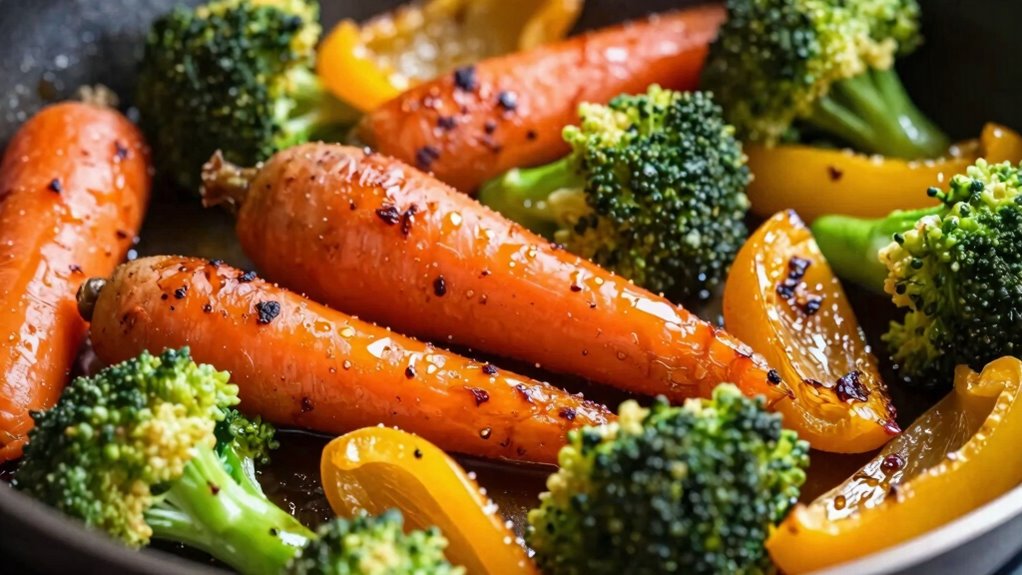
When you’re cooking with health in mind, browning foods can be both a benefit and a concern. You’ve probably heard that browning enhances flavor, but it’s also a process tied to sugar caramelization, which can impact both taste and health. Sugar caramelization occurs when the natural sugars in food break down at high temperatures, creating complex, rich flavors that make dishes more appealing. This process contributes significantly to flavor enhancement, giving your meals depth and a satisfying, roasted taste. However, it also produces compounds like acrylamide if foods are overcooked or burned, which can pose health risks. That’s why it’s important to strike a balance in your cooking methods.
Browning enhances flavor but can produce harmful compounds if overdone; balance is key for healthy cooking.
As a health-conscious cook, you want to maximize flavor without overdoing it. When you brown foods, you’re naturally intensifying their taste, making even simple ingredients more delicious. For instance, lightly searing vegetables or meats can boost their natural umami and sweetness, reducing the need for added salt or sugar. But you need to be mindful of the temperature and duration. Over-browning can lead to the formation of harmful compounds, so it’s best to cook at moderate heat and keep a close eye on your dishes. Using techniques like sautéing or roasting at controlled temperatures allows you to enjoy the flavor benefits of browning without crossing into unsafe territory.
You should also consider the types of foods you’re browning. Fruits and vegetables, which contain natural sugars, are especially susceptible to sugar caramelization. When cooked properly, they develop a richer flavor and a more appealing texture. When you understand the science behind browning, you can better manage the process and prevent undesirable outcomes. Additionally, controlling cooking conditions can help you minimize the formation of harmful compounds, making your meals safer and more nutritious.
Ultimately, understanding the science behind browning helps you make smarter choices in the kitchen. You get to enjoy the benefits of flavor enhancement and sugar caramelization without sacrificing your health. By controlling heat, cooking times, and ingredient quality, you can create meals that are both flavorful and nourishing. Remember, browning is a powerful tool in your culinary arsenal, but like all tools, it requires mindfulness and skill to use it safely and effectively. With practice, you’ll find the perfect balance that elevates your dishes and supports your health goals. Additionally, being aware of caramelization processes can help you better control the formation of harmful compounds during cooking.
As an affiliate, we earn on qualifying purchases.
Frequently Asked Questions
Does Browning Always Mean the Food Is Overcooked?
Browning doesn’t always mean your food is overcooked. It’s a key step for flavor development, adding rich, complex tastes, and it can also improve texture. When done properly, browning enhances your dish without burning or drying it out. Keep an eye on the process, and you’ll achieve beautifully browned food that tastes better and has improved texture, all while staying health-conscious.
Are There Healthy Alternatives to Traditional Browning Methods?
Yes, you can use healthy alternatives to traditional browning methods that preserve natural flavors. Try using a splash of low-sodium soy sauce, balsamic vinegar, or a touch of honey for color and depth. You might also consider dry roasting or sautéing with minimal oil. These methods enhance flavor without overcooking or adding unhealthy ingredients, helping you create delicious, health-conscious meals that still look and taste appealing.
How Does Browning Affect Nutrient Retention in Foods?
Browning can slightly reduce nutrient preservation because high heat can degrade sensitive nutrients, but it often boosts antioxidant levels, which fight free radicals. As you cook, your food’s flavor and texture improve, sometimes at the expense of minor nutrient loss. To maximize health benefits, balance browning with gentle cooking methods. Enjoying a variety of preparation styles helps you retain nutrients while still savoring the rich flavors that browning provides.
Can Browning Be Achieved Without Added Fats or Oils?
Yes, you can achieve browning without added fats or oils by using alternative cooking techniques like dry sautéing, broiling, or using a non-stick pan. These methods promote flavor enhancement through Maillard reactions, creating rich, caramelized flavors without extra fats. Stir-frying in minimal oil or dry roasting vegetables also works well. Focus on controlling heat to prevent burning and maximize the benefits of healthy, flavorful browning.
What Are the Best Practices for Controlling Browning to Avoid Harmful Compounds?
To control browning and avoid harmful compounds, you should focus on mastering caramelization techniques and Maillard reaction control. Keep heat moderate to prevent excessive browning, which can produce harmful substances. Use a thermometer to monitor temperature, aiming for ideal ranges. Regularly turn or stir your food for even browning, and consider adding acids like lemon juice to slow down Maillard reactions. These practices help you achieve tasty, health-conscious results.
Conclusion
While browning can add flavor and appeal to your dishes, it’s understandable to worry about health impacts. By choosing healthy fats, controlling cooking temperatures, and avoiding burnt spots, you can enjoy beautifully browned foods without sacrificing your health. Remember, moderation is key—savor the flavor without overdoing it. With a few mindful adjustments, you can confidently create delicious, health-conscious meals that satisfy your taste buds and your wellness goals.
Fall Picks
fall essentials
As an affiliate, we earn on qualifying purchases.