
To enjoy low-oxalate vegetables, select fresh, vibrant produce and wash it thoroughly with cold water. Cooking methods like boiling, steaming, or blanching can effectively lower oxalate levels—boiling and discarding the water works best. Sauté, grill, or roast for added flavor, using herbs and spices to enhance taste. Incorporating nutrient-rich pairings and proper preparation tips can make your meals both tasty and healthy—learn more about optimizing these techniques for better results.
Key Takeaways
- Select fresh, vibrant vegetables and avoid dull or damaged produce for optimal quality and safety.
- Wash vegetables thoroughly with cold water to remove dirt and pesticides before cooking.
- Use boiling, steaming, or blanching to effectively reduce oxalate levels while preserving nutrients.
- Incorporate flavor with herbs, spices, and citrus to enhance taste and enjoyment of low-oxalate vegetables.
- Employ diverse cooking methods like roasting, grilling, or sautéing to improve flavor and nutritional value.
Understanding Oxalates and Their Impact on Health
Oxalates are naturally occurring compounds found in many plants, including certain vegetables. When you consume these foods, oxalate absorption varies depending on how they’re prepared and your individual digestion. For some people, high oxalate intake can contribute to kidney stones or other health issues, making it important to contemplate dietary restrictions. If you’re prone to kidney stones or have specific health concerns, limiting foods high in oxalates can help reduce risks. Understanding how oxalates affect your body allows you to make informed choices about your diet. While many vegetables contain oxalates, cooking methods like boiling can lower their levels. Additionally, recent advancements in AI-powered food analysis are helping consumers better identify oxalate content in various foods, supporting better health management, especially if you need to restrict certain foods for medical reasons.
Top Low-Oxalate Vegetables to Incorporate Into Your Diet
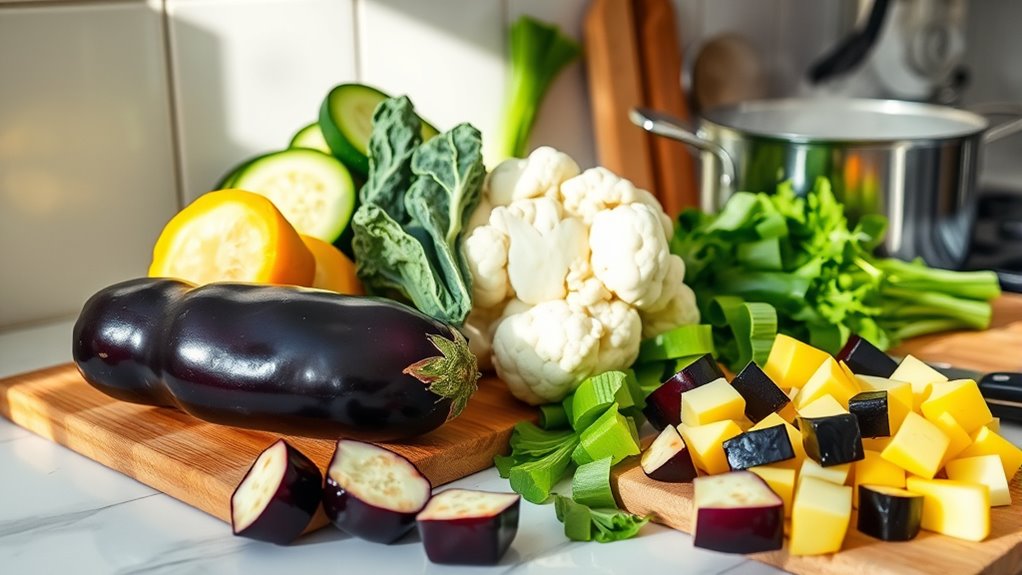
Incorporating low-oxalate vegetables into your diet offers great nutritional benefits and can support your health goals. To get the most out of these veggies, you’ll want to follow safe cooking tips and explore flavor pairings that enhance their natural taste. By choosing versatile options and preparing them thoughtfully, you can enjoy delicious, healthful meals every day.
Nutritional Benefits of Low-Oxalate Veggies
Including low-oxalate vegetables in your diet offers a range of essential nutrients without the risk of oxalate-related health issues. These vegetables are packed with fiber content, supporting digestion and promoting satiety. They also boast high vitamin richness, providing nutrients like vitamins A, C, and K, which help boost your immune system and maintain healthy skin and bones. Unlike high-oxalate options, these veggies help prevent oxalate accumulation that can lead to kidney stones or other health concerns. Incorporating a variety of low-oxalate vegetables ensures you get a broad spectrum of nutrients, supporting overall health and well-being. Their nutrient density makes them an excellent choice for those seeking to improve their diet without sacrificing flavor or nutritional value.
Cooking Tips for Safety
To guarantee safe and nutritious meals, it’s important to follow proper cooking techniques for low-oxalate vegetables. Start by thoroughly washing your produce to remove dirt and pests, supporting pest control naturally and reducing contamination risks. Use sharp knives and stable cutting boards to prevent accidents and maintain kitchen safety. When cooking, avoid overcrowding pots to ensure even heat distribution and prevent spills. Always cook vegetables to appropriate temperatures to eliminate bacteria and parasites. Keep raw and cooked foods separate to prevent cross-contamination. Use clean utensils and wash your hands frequently. Regularly sanitize your kitchen surfaces and tools to maintain a safe environment. Additionally, be mindful of food spoilage signs to ensure your ingredients are fresh and safe to consume. Following these tips will help you enjoy low-oxalate veggies safely, preserving their nutrients and flavors.
Flavor Enhancements and Pairings
Low-oxalate vegetables can be deliciously versatile when you know how to enhance their natural flavors and pair them effectively. Using spice blends and citrus accents can elevate simple dishes and highlight their freshness. Here are three ideas to get you started:
- Add a dash of cumin and coriander spice blends to roasted turnip or zucchini for warm, earthy notes.
- Squeeze fresh lemon or lime over steamed cauliflower or bok choy to brighten flavors and add a zesty touch.
- Combine chopped herbs like parsley or cilantro with a light vinaigrette to create vibrant salads or side dishes.
- Incorporating automation technologies into food preparation processes can streamline cooking and improve consistency in flavoring.
Experimenting with these flavor enhancements helps you enjoy low-oxalate veggies in tasty, satisfying ways while keeping your diet balanced.
Selecting Fresh and Quality Low-Oxalate Veggies
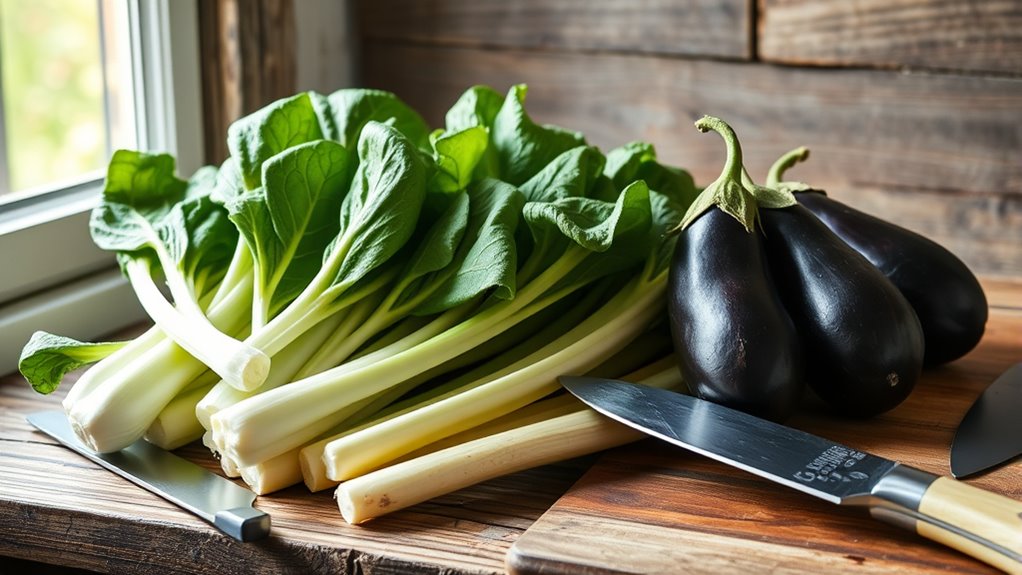
When choosing low-oxalate veggies, look for vibrant colors and firm textures to guarantee freshness. Check for signs like wilting, discoloration, or soft spots that indicate the produce may be past its prime. Whenever possible, pick organic options to avoid pesticides and get the best quality. Incorporating fresh produce into your diet can also enhance overall flavor and nutritional value.
Choose Vibrant, Firm Produce
Choosing vibrant, firm produce is essential for getting the best flavor and nutrition from your low-oxalate vegetables. Bright, sturdy veggies not only taste better but also boast a colorful presentation that makes your meals more appealing. When selecting produce, keep these tips in mind:
- Look for vivid colors and a firm, crisp texture to ensure freshness.
- Opt for seasonal availability, as seasonal veggies are often at their peak flavor and nutrient content.
- Gently press the produce; it should feel firm without soft spots or wrinkles, indicating quality.
- Pay attention to the contrast ratio of the vegetables, as higher contrast can reflect better freshness and quality.
Check for Freshness Signs
To guarantee your veggies are fresh and of high quality, look closely for clear signs of vitality. Fresh produce should have vibrant color, firm texture, and no wilting or browning. Check for signs of spoilage, like soft spots or mold. Be mindful of pesticide residues; wash and scrub vegetables thoroughly to remove any residues or dirt. Seasonal availability often indicates peak freshness, so choose vegetables in their natural harvest period for better flavor and nutrition. Avoid veggies with dull appearance or slimy surfaces, as these suggest age or improper storage. By paying attention to these signs, you ensure you’re selecting high-quality low-oxalate vegetables that are both safe and flavorful for your meals.
Opt for Organic Options
Opting for organic low-oxalate vegetables can considerably enhance the quality and safety of your meals. Organic benefits include avoiding synthetic pesticides, which are a common pesticide concern. When you choose organic, you’re less likely to consume harmful chemicals that can impact your health. Plus, organic produce is often fresher and harvested at peak ripeness, ensuring better flavor and nutrient content. To get the most out of your organic veggies, keep these tips in mind:
- Look for certified organic labels to ensure authenticity.
- Prioritize local organic farmers for fresher options.
- Wash vegetables thoroughly to remove any residual pesticides, even from organic sources.
Implementing Vetted low-oxalate vegetables can also improve your nutritional intake and overall diet quality.
This way, you enjoy healthier, tastier, and safer low-oxalate vegetables.
Proper Washing and Preparation Techniques
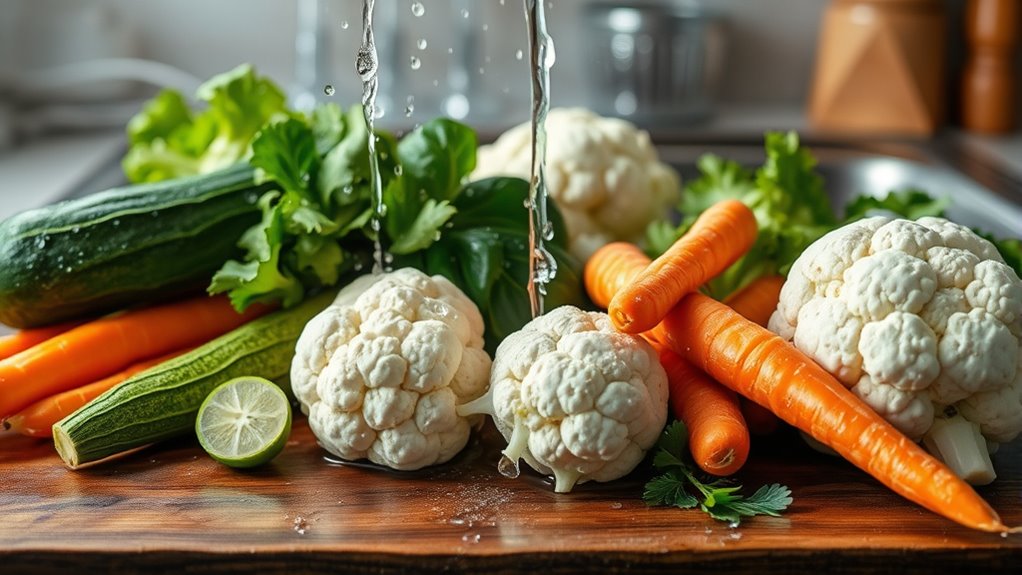
Before cooking low-oxalate vegetables, it’s essential to wash them thoroughly to remove dirt, bacteria, and any residual pesticides. Proper washing is key to maintaining kitchen safety and ensuring your ingredients are clean. Use cold running water and gently scrub the vegetables with a brush or your hands to dislodge dirt and contaminants. Avoid soaking vegetables for too long, as this can promote bacterial growth. When sourcing ingredients, choose fresh, high-quality produce from reputable suppliers to reduce the risk of pesticides or chemical residues. Always inspect vegetables for bruises or damage before washing. Proper preparation not only enhances flavor but also helps protect your health. Taking these simple steps ensures you get the most benefit from your low-oxalate veggies.
Cooking Methods for Reducing Oxalate Content

Cooking methods such as boiling, steaming, and blanching can markedly reduce the oxalate content in low-oxalate vegetables. These techniques help leach oxalates out of the veggies, making them safer for consumption, especially if you’re concerned about oxalate sources. To maximize cooking safety and nutrient retention, follow these tips:
- Use plenty of water when boiling, then discard the water to remove dissolved oxalates.
- Avoid overcooking to preserve vitamins while reducing oxalates effectively.
- Employ quick blanching to minimize nutrient loss, then immediately cool vegetables in cold water.
- Choosing the right cooking method ensures you’re lowering oxalate levels without sacrificing flavor or safety. Proper cooking techniques are essential for managing oxalate content and maintaining a healthy diet.
Steaming and Boiling: Best Practices for Low-Oxalate Vegetables
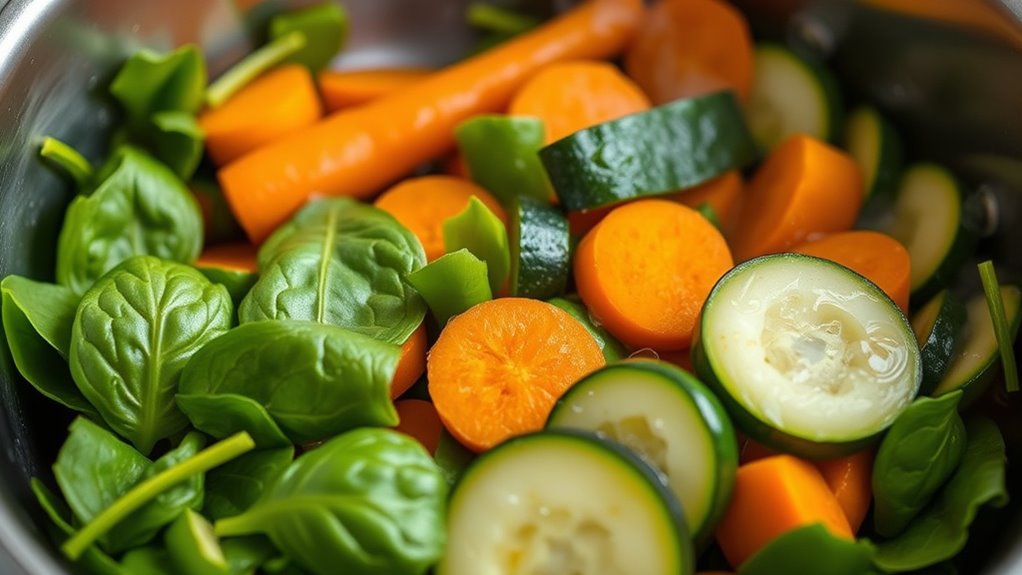
Steaming and boiling are effective methods for reducing oxalate levels in low-oxalate vegetables while preserving their nutrients. To maximize benefits, consider seasonal variations and cultural cuisines that influence vegetable choices and preparation styles. Using proper techniques ensures you retain flavor and nutrients while lowering oxalate content. For example, boiling vegetables for a few extra minutes can substantially decrease oxalates, but be mindful of overcooking, which may diminish nutrients. Incorporating cultural cuisines into your cooking not only inspires creative preparation but also introduces diverse flavors and techniques.
Roasting, Grilling, and Sautéing Tips
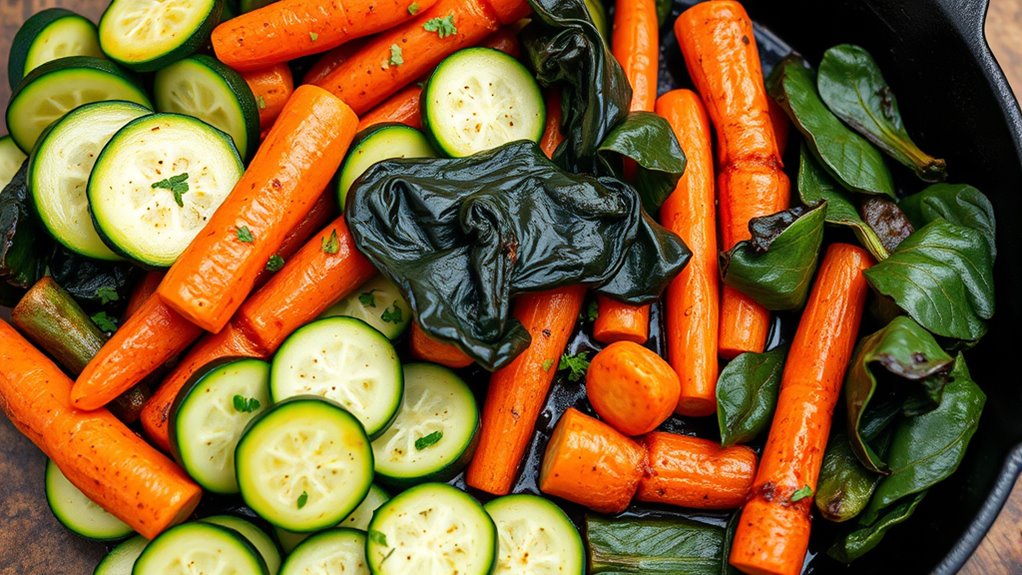
Roasting, grilling, and sautéing are excellent methods for bringing out the natural flavors of low-oxalate vegetables while maintaining their nutritional value. To maximize taste, consider using spice blends that complement the veggie’s natural sweetness or earthiness. When roasting or grilling, toss vegetables with olive oil, your favorite spice blend, and a pinch of salt before cooking. For sautéing, add aromatic spices early to infuse flavor. Don’t forget garnishing techniques—fresh herbs, lemon zest, or a drizzle of balsamic can elevate your dish. Here are some tips to make your cooking enjoyable: 1. Use even heat to prevent burning and ensure even cooking. 2. Experiment with different spice blends to find your favorite flavor profile. 3. Add garnishes just before serving to enhance presentation and taste. Additionally, selecting appropriate cooking methods can help preserve the nutrients and enhance the overall quality of your vegetables.
Combining Low-Oxalate Veggies With Other Nutrient-Rich Foods

Mixing low-oxalate veggies with other nutrient-dense foods helps you create balanced meals. It also boosts flavor and keeps your dishes interesting. Plus, combining these foods can increase your antioxidant intake for better health.
Pairing for Nutrient Balance
To maximize the health benefits of low-oxalate vegetables, pairing them with other nutrient-rich foods is essential. This approach enhances nutrient absorption and creates balanced meals rooted in diverse culinary history and cultural significance. When combining foods, consider these tips:
- Include sources of healthy fats, like olive oil or avocado, to improve fat-soluble vitamin absorption.
- Add lean proteins such as beans or fish, supporting muscle health and satiety.
- Incorporate colorful fruits and vegetables to boost antioxidant intake and reflect culinary traditions worldwide.
Enhancing Flavor Combinations
By thoughtfully combining low-oxalate vegetables with other nutrient-rich foods, you can elevate their flavor and nutritional profile. Herb pairings like basil, cilantro, or dill add freshness and complexity, making dishes more vibrant. Spice blends, such as cumin, turmeric, or smoked paprika, bring warmth and depth to your meals. For example, sautéing spinach with garlic and a pinch of curry powder creates a savory, aromatic dish. Incorporate herbs and spices during cooking to reveal their full flavor potential. Experiment with different combinations to find what appeals most to your palate. These thoughtful pairings not only enhance taste but also allow you to enjoy the full benefits of your low-oxalate veggies, making healthy eating more enjoyable. Additionally, paying attention to sustainable eating habits can support overall health and longevity.
Boosting Antioxidant Intake
Incorporating a variety of nutrient-dense foods alongside low-oxalate vegetables can substantially boost your antioxidant intake. To maximize benefits, choose foods rich in vitamins C and E, like bell peppers or nuts, which help combat garden pests’ damage. Include colorful fruits such as berries or citrus, packed with antioxidants that protect your cells. Also, guarantee your soil nutrients are balanced, as healthy soil promotes nutrient-rich produce.
Here are three ways to enhance your antioxidant intake:
- Combine low-oxalate veggies with citrus or berries for a vitamin C boost.
- Add nuts or seeds to your salads for healthy fats and antioxidants.
- Grow a variety of plants to improve soil nutrients and reduce pest reliance.
Recipe Ideas for Delicious Low-Oxalate Meals

If you’re looking to enjoy flavorful low-oxalate meals, there are plenty of creative recipes that highlight fresh vegetables and simple preparations. Start by pairing herbs like basil, thyme, or parsley to enhance natural flavors without adding oxalates. These herbs can be used in salads, stir-fries, or roasted dishes, making meals more vibrant. For meal prep, cook large batches of roasted zucchini or steamed carrots, then store them for quick, nutritious meals throughout the week. Combining vegetables with lean proteins and whole grains creates balanced, satisfying dishes. Keep recipes straightforward—like vegetable stir-fry with garlic and herbs or roasted veggie bowls—to maximize freshness and flavor. These ideas make low-oxalate eating enjoyable and easy to incorporate into your daily routine.
Storage and Preservation Tips for Freshness

To keep your low-oxalate vegetables fresh and flavorful, proper storage is essential. Using the right storage containers helps prevent spoilage and extends their shelf life. For maximum freshness, store vegetables in airtight containers or perforated bags that allow airflow. When freezing, use quality freezing techniques like blanching before placing veggies in freezer-safe bags to retain texture and nutrients. Label containers with dates to track freshness. Keep vegetables in the crisper drawer of your fridge, where humidity is ideal. For longer storage, consider flash freezing small portions on a baking sheet before transferring to containers or bags, which prevents clumping. Proper storage and freezing techniques ensure your low-oxalate veggies stay delicious and nutritious for future meals.
Frequently Asked Questions
Are Low-Oxalate Vegetables Suitable for All Dietary Restrictions?
You might wonder if low-oxalate vegetables fit all dietary restrictions. Generally, they are compatible because they reduce oxalate intake, benefiting those with kidney issues or oxalate sensitivities. However, their nutrient absorption impact varies; some nutrients might be less available compared to other vegetables. Always consider your specific dietary needs and consult a healthcare professional to guarantee these veggies suit your restrictions and support balanced nutrition.
Can I Freeze Low-Oxalate Vegetables Without Losing Nutrients?
You can freeze low-oxalate vegetables without losing much nutrient retention if you use proper freezing techniques. Blanching before freezing helps preserve flavor, texture, and nutrients. Make sure to cool the vegetables quickly in ice water after blanching, then pack them in airtight containers or freezer bags. Properly stored, they’ll retain most of their nutrients for several months, making it easy to enjoy healthy, low-oxalate options anytime.
How Do Cooking Times Affect Oxalate Levels in Vegetables?
You might think longer cooking reduces oxalates, but it’s not always true. Boiling duration can lower oxalate levels considerably, especially if you discard the water, while steaming effects tend to preserve more nutrients and oxalates. Shorter cooking times may retain more oxalates, so balancing cooking duration is key. To reduce oxalates effectively, opt for boiling with ample water and quick steaming, rather than prolonged cooking.
Are There Any Seasonal Low-Oxalate Vegetables Available?
You’ll find seasonal produce varies throughout the year, offering different low-oxalate vegetables depending on the season. During spring, you might enjoy asparagus or leafy greens, while summer brings zucchini and cucumbers. Incorporate vegetable rotation into your diet to access fresh, low-oxalate options and keep your meals interesting. By choosing vegetables in season, you naturally select those with potentially lower oxalate levels, supporting your health goals.
What Are the Best Storage Containers for Preserving Low-Oxalate Veggies?
Imagine your veggies as treasures, best kept in a vault. You should use airtight containers or glass storage to preserve their freshness and nutrients. Airtight containers lock in moisture and prevent spoilage, while glass storage offers a non-reactive environment, keeping flavors pure. By choosing these options, you safeguard your low-oxalate veggies, ensuring they stay vibrant and ready whenever you need them, much like treasures safely stored for future enjoyment.
Conclusion
By choosing and preparing low-oxalate vegetables thoughtfully, you support your health and enjoy delicious meals. Remember, the idea that all vegetables are harmful due to oxalates isn’t entirely true—moderation and proper cooking can make even high-oxalate foods safer. Embrace variety and balance in your diet, trusting that mindful choices empower you to nourish your body without unnecessary restrictions. Ultimately, understanding oxalates helps you make smarter, healthier decisions every day.