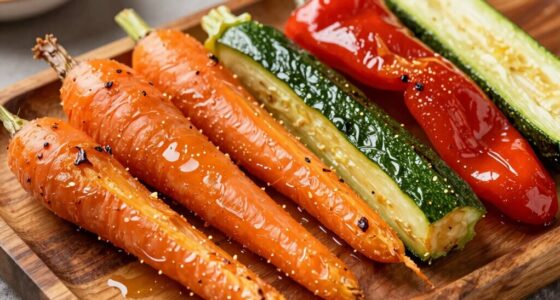
To reduce acrylamide in crispy foods, keep your temperatures below 120°C (248°F) and avoid over-browning or burning. Soaking potatoes before frying, using marinades with acids, and choosing lower-glucose ingredients can also help. Controlling cooking time and using gentle baking or steaming methods minimize risks while preserving texture and flavor. If you want practical tips to keep snacks crispy and safe, you’ll find useful ideas if you follow along.

Get kitchen gear delivered free — and shop member deals
- Fast, free delivery on millions of items
- Access to Prime Big Deal Days deals on October 6–7
- Prime Video, Amazon Music and more included
Key Takeaways
- Lower cooking temperatures and shorter times reduce acrylamide formation while maintaining crispiness.
- Soaking potatoes before frying diminishes acrylamide precursors and minimizes browning.
- Adding acids like lemon juice or vinegar slows browning reactions, lowering acrylamide levels.
- Using proper storage and monitoring browning helps prevent overcooking and excessive acrylamide.
- Baking or steaming at moderate temperatures offers a safer alternative to frying crispy foods.
As an affiliate, we earn on qualifying purchases.
What Is Acrylamide and How Does It Form in Crispy Foods?
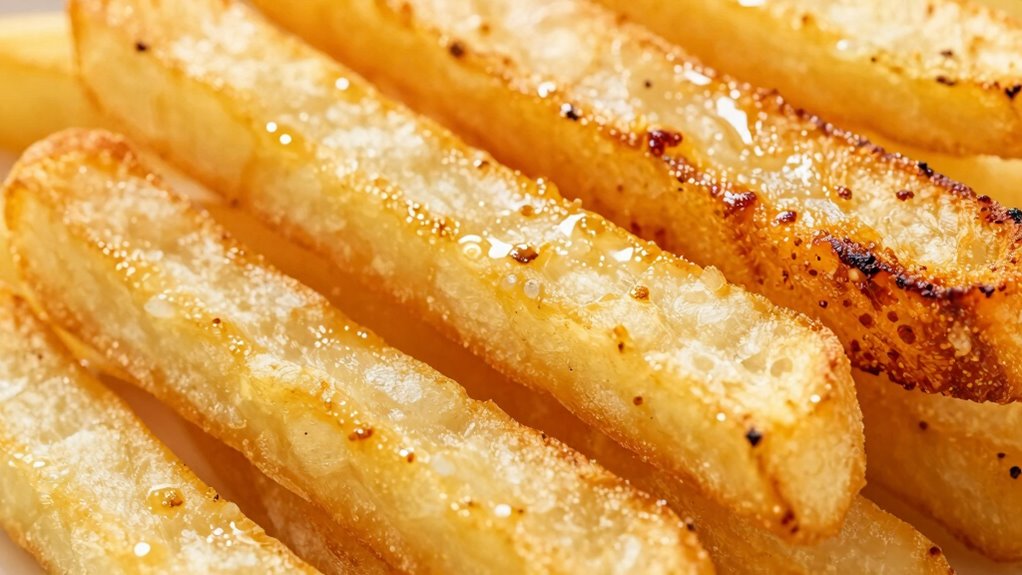
Acrylamide is a chemical that forms naturally in certain foods when they are cooked at high temperatures, especially during frying, baking, or roasting. It results from chemical reactions between sugars and amino acids, specifically asparagine, during heat exposure. These chemical reactions, known as Maillard reactions, give foods their browned, crispy textures and appealing flavors. However, acrylamide formation raises concerns about food safety because studies suggest it may have health risks with prolonged exposure. When you cook foods like chips, bread, or roasted snacks at high heat, you increase the likelihood of acrylamide development. Awareness of these chemical reactions helps you make better choices to limit exposure while enjoying crispy foods. Understanding how acrylamide forms is key to managing its presence in your diet. Additionally, controlling cooking temperatures and times can reduce acrylamide formation, making your crispy favorites safer to enjoy. For example, adjusting cooking methods can significantly impact acrylamide levels in your food. Being mindful of food composition can also help in selecting ingredients less prone to high acrylamide formation.
How Cooking Methods Affect Acrylamide Levels in Snacks
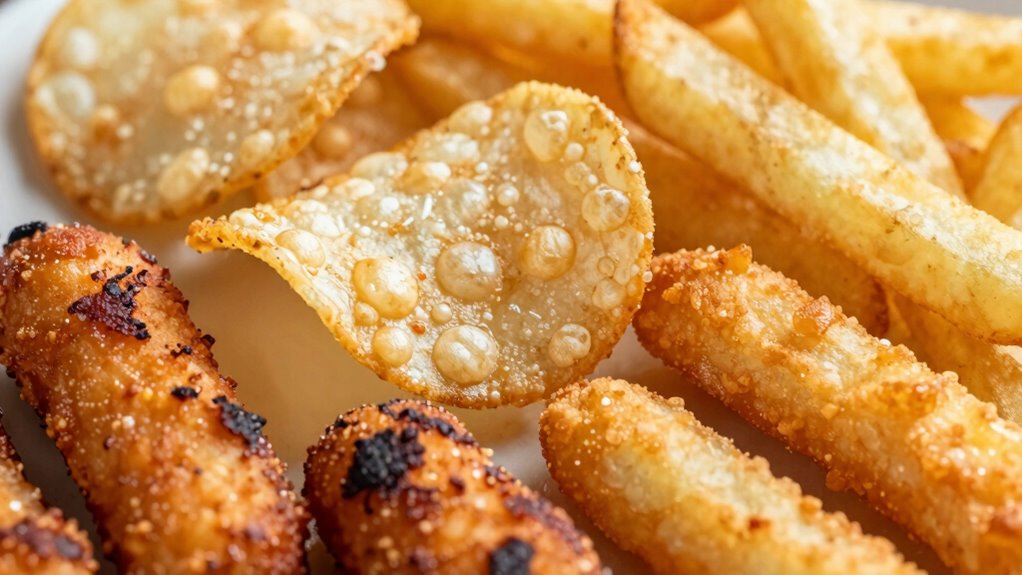
The way you cook snacks can substantially influence acrylamide levels. Higher temperatures and longer frying times tend to increase its formation, so adjusting these factors may help reduce risks. Exploring alternative methods like baking or steaming could also lower acrylamide content while still delivering tasty results. Incorporating connected equipment and monitoring cooking conditions through smart technology can further optimize safety and quality. Additionally, understanding the biological effects of acrylamide highlights the importance of taking preventive measures during food preparation. Being aware of risk factors related to cooking practices can empower you to make healthier choices in your kitchen. Implementing temperature controls based on reliable information can help minimize acrylamide formation during cooking. Moreover, employing monitoring devices can provide real-time feedback to ensure optimal cooking parameters and safety.
Cooking Temperature Impact
Cooking temperature plays a crucial role in determining acrylamide formation in crispy foods. When you cook at higher temperatures, especially above 120°C (248°F), the risk of acrylamide increases markedly. Maintaining an ideal pH balance can help slow down browning reactions that produce acrylamide. It’s also important to control cooking duration; prolonged exposure to high heat allows more acrylamide to develop. To reduce risks, consider these tips:
- Cook at lower temperatures whenever possible
- Keep an eye on cooking times to avoid overexposure
- Adjust pH levels using ingredients like lemon juice or vinegar
- Use thermometer-guided methods for precise temperature control
Frying Duration Effects
Since longer frying times expose foods to high heat longer, they substantially increase acrylamide formation in snacks. To minimize this, pay attention to oil selection, choosing oils with higher smoke points that resist overheating. Overly prolonged frying also promotes excessive browning, which correlates with more acrylamide. Keep frying durations as short as possible while achieving the desired crispiness. Additionally, seasoning techniques can influence acrylamide levels; for example, applying certain spices like rosemary or turmeric before frying might help reduce acrylamide formation. Monitoring frying time carefully and using appropriate oils ensures you prevent overexposure to heat. Proper temperature control and monitoring can further help limit acrylamide buildup. Research indicates that controlling frying temperature is crucial in reducing acrylamide levels in snacks. Maintaining consistent heat levels during frying not only improves safety but also enhances overall food quality. Adjusting cooking methods to optimize heat application can make a significant difference in reducing acrylamide formation. For example, incorporating alternative cooking techniques like baking or air frying can significantly lower acrylamide risks while maintaining snack quality. By managing these factors, you can enjoy crispy snacks with lower acrylamide risks without sacrificing flavor or texture.
Alternative Preparation Methods
Switching to alternative preparation methods can substantially reduce acrylamide formation in snacks. By adjusting baking techniques and using ingredient substitutions, you can lower the risk without sacrificing flavor. For example, opt for steaming or boiling instead of frying or high-temperature baking. When baking, try reducing the temperature or cooking time to prevent over-browning. Ingredient substitutions, like replacing potatoes with sweet potatoes or using lower-glucose ingredients, also help. You might consider soaking potatoes before cooking to diminish acrylamide precursors. Additionally, using baking techniques such as shorter baking sessions and lower heat can make a big difference. These simple changes allow you to enjoy crispy snacks while minimizing health risks associated with acrylamide.
Simple Tips to Reduce Acrylamide When Cooking Crispy Snacks
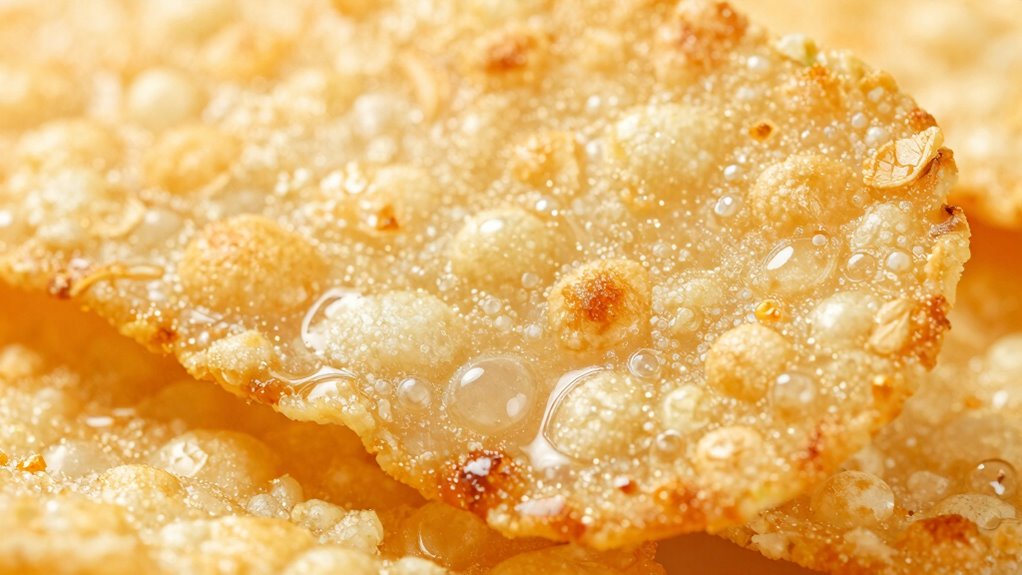
To cut down on acrylamide, keep your cooking temperatures in check and avoid over-browning your snacks. Store ingredients properly so they don’t become overly dry or stale before cooking. Small adjustments like these can make a big difference in reducing harmful compounds. Additionally, selecting fresh ingredients can maintain optimal moisture levels and improve overall safety and flavor. Properly adjusting cooking times can also help minimize acrylamide formation without sacrificing taste. Being mindful of food preparation techniques can further support efforts to reduce acrylamide levels during cooking. Using appropriate storage and handling practices ensures ingredients stay fresh and less prone to undesirable changes that could enhance acrylamide formation.
Optimal Cooking Temperatures
Cooking crispy snacks at the right temperature can considerably reduce acrylamide formation. Keeping a close eye on temperature management helps prevent over-browning, which increases acrylamide levels. To optimize your cooking, aim for lower, controlled temperatures that promote browning control without excessive charring.
Here are some tips:
- Use a thermometer to monitor oven or fryer temps accurately
- Cook at temperatures below 350°F (175°C) for fries and chips
- Avoid prolonged cooking or high heat, which accelerates browning
- Remove snacks once they reach a golden, not dark brown, color
Proper Storage Practices
Storing crispy snacks properly can substantially reduce acrylamide formation during cooking. To guarantee storage safety, keep snacks in airtight containers or resealable packaging to prevent moisture absorption, which can affect browning and cooking times. Avoid storing snacks near strong odors or in warm environments, as heat accelerates chemical changes that increase acrylamide risk. Pay attention to packaging concerns; choose packaging that shields snacks from light and humidity to maintain freshness and prevent spoilage. Proper storage helps preserve the snack’s quality and reduces the chance of uneven cooking or over-browning. Additionally, understanding food storage safety measures can further enhance your efforts to keep snacks fresh and safe. Ensuring proper temperature control is also essential since temperature management directly influences chemical reactions during cooking. By following these simple storage practices, you minimize the potential for acrylamide formation when you cook crispy snacks, making your snacks safer and healthier without sacrificing crunch. Proper storage not only extends shelf life but also contributes to more consistent and controlled browning during cooking.
Best Practices for Roasting and Frying to Keep Your Snacks Safe
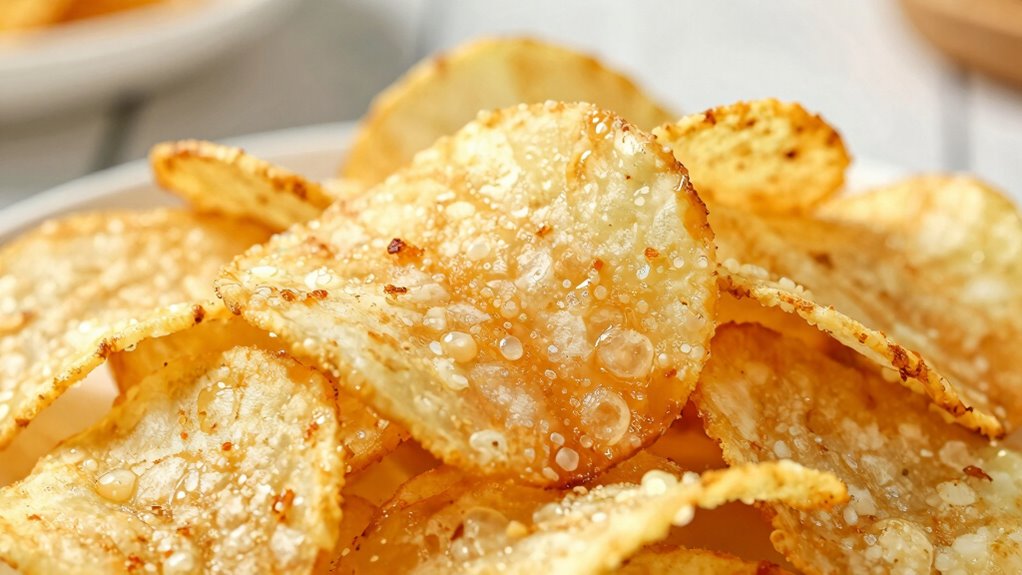
When roasting or frying snacks, controlling temperature and timing is essential to minimize acrylamide formation. Keep your oil or oven at the *ideal* temperature—usually below 350°F (175°C)—to reduce browning beyond safe levels. Use precise timing to avoid overcooking, which increases acrylamide risk. Incorporate seasoning enhancements that can lower browning, such as using certain herbs or acids. Packaging innovations also play a role by protecting snacks from oxygen and moisture, reducing the need to cook at high temperatures. Being aware of the browning process can help you better control acrylamide levels during cooking. Additionally, understanding how caramelization influences browning can guide you in adjusting cooking techniques for safer snacks. Monitoring temperature control closely during cooking ensures optimal results while keeping acrylamide levels in check. Proper heat distribution throughout cooking helps prevent hotspots that could lead to excessive browning. Implementing advanced cooking methods, such as sous vide, can also help achieve desired textures without high-temperature browning. Following these tips helps keep your snacks safe without sacrificing flavor or crunch.
Can You Keep Crispy Snacks Tasty While Reducing Risks?
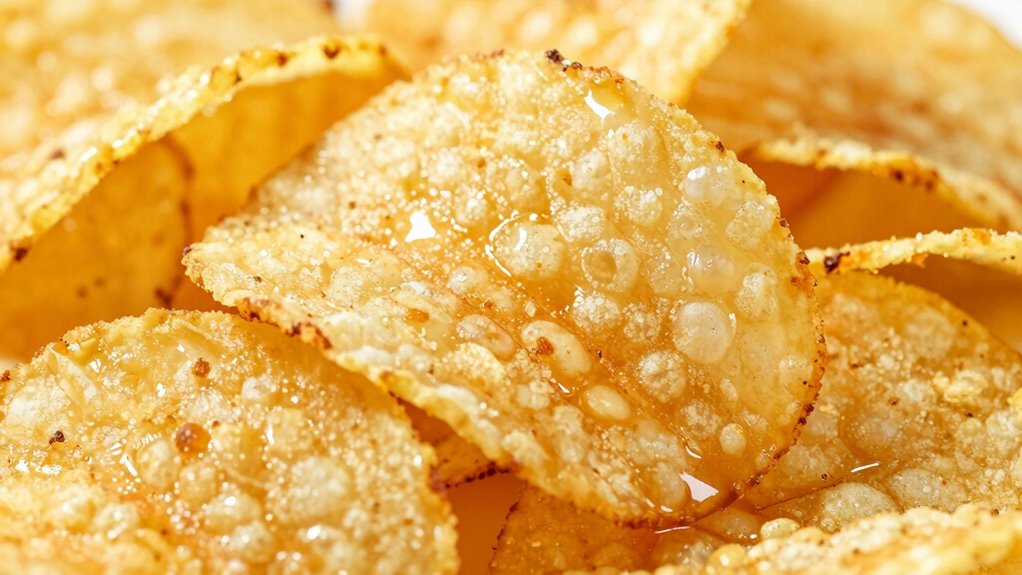
Balancing deliciously crispy snacks with safety concerns is achievable by making smart choices during preparation and consumption. You can preserve flavor enhancement and texture while reducing acrylamide risks by tweaking cooking methods and ingredient choices. For example, avoiding overcooking or burning snacks helps maintain crispiness without harmful browning. Using marinades or coatings can boost flavor and protect texture during frying or baking. Additionally, controlling temperature and cooking time minimizes acrylamide formation without sacrificing crunch. Proper storage also helps maintain snack freshness, ensuring they stay crunchy and enjoyable. Here’s a quick comparison:
| Technique | Benefit |
|---|---|
| Lower cooking temperature | Reduces acrylamide, preserves texture |
| Shorter cooking time | Maintains crispiness, enhances flavor |
| Use of marinades | Boosts flavor, prevents excessive browning |
| Proper storage | Keeps snacks fresh and crunchy |
Do These Changes Affect How Your Crispy Snacks Taste or Feel?

Adjusting cooking methods to reduce acrylamide can slightly change the way your snacks taste and feel, but these differences are often subtle. You might notice a slight variation in flavor or a minor change in texture, yet taste preservation remains strong. The key is to find a balance where safety improves without sacrificing enjoyment. Some common effects include a marginally softer or less crispy texture and a milder flavor profile. To minimize these impacts, consider experimenting with cooking times and temperatures. Remember, small tweaks can make a difference without compromising your snack’s appeal. Here are some possible effects:
Adjusting cooking methods can slightly alter snack flavors and textures, but enjoyment remains largely unchanged.
- Slightly softer or less crispy texture
- Mild change in flavor profile
- Reduced bitterness or burnt notes
- Maintained overall enjoyment despite minor differences
Frequently Asked Questions
Are There Any Health Risks Associated With Acrylamide Consumption From Snacks?
Yes, there are health risks associated with acrylamide consumption from snacks. While your body can handle small amounts, high intake might increase your risk of certain health issues, including cancer. To guarantee acrylamide safety, it’s best to enjoy crispy foods in moderation and avoid overcooking. Being mindful of cooking times and methods can help you reduce acrylamide levels and protect your health.
Can Packaging Influence Acrylamide Levels in Crispy Foods?
Did you know that improper packaging and storage can increase acrylamide levels in crispy foods by up to 30%? Packaging materials like plastic or foil can affect how much moisture and oxygen reach the food, impacting browning and acrylamide formation. By choosing proper packaging and maintaining good storage conditions—cool, dry, and airtight—you can help reduce acrylamide levels, keeping your snacks safer and healthier.
Do Homemade Crispy Snacks Contain Less Acrylamide Than Store-Bought?
You’ll likely find that homemade crispy snacks contain less acrylamide than store-bought ones because you control the ingredients and cooking process. By choosing lower-temperature cooking methods and avoiding over-browning, you can effectively reduce acrylamide formation. Homemade snacks also give you the opportunity for acrylamide reduction, making them a healthier choice. So, making your snacks at home allows you to minimize acrylamide levels and enjoy crispy treats more safely.
How Long Does It Take for Acrylamide to Form During Cooking?
Acrylamide forms quickly during cooking, especially when you use high cooking temperatures and long frying durations. It can start developing within just a few minutes once food reaches around 120°C (248°F). The longer you fry or bake at high heat, the more acrylamide accumulates. To minimize its formation, keep cooking temperatures moderate and limit frying or roasting times. This way, you reduce health risks while still enjoying crispy foods.
Are There Specific Ingredients That Increase Acrylamide Formation?
Certain ingredients, like specific potato varieties, can increase acrylamide formation, especially when cooked at high temperatures. You’ll notice that starchy potatoes with higher sugar content tend to produce more acrylamide during frying or roasting. To minimize it, choose potato varieties lower in sugars and keep cooking temperatures below 170°C. Monitoring both your ingredients and cooking temperature helps you reduce acrylamide levels effectively.
Conclusion
So, next time you reach for that perfectly golden snack, remember—you’re basically playing a game of culinary roulette with acrylamide. But don’t worry, with a few simple tweaks, you can enjoy crunch without risking your health. After all, who needs a science degree to master the art of crispy, safe snacks? Keep those snacks tasty, keep yourself safe—because apparently, burning them just might be a bit too “hot” to handle.
Fall Picks
fall essentials
As an affiliate, we earn on qualifying purchases.