If your air fryer isn’t heating, first confirm it’s plugged into a functioning outlet and the power cord shows no damage. Reset or turn off the device for a few minutes to clear any glitches. Check that the door latch clicks securely and the temperature settings are correct. Clean the heating element and internal parts regularly. If these steps don’t help, inspecting the fuse, thermostat, or seeking professional repair might be necessary—more tips await if you keep exploring.
Key Takeaways
- Check that the air fryer is properly plugged into a functioning outlet with no damage to the cord or plug.
- Ensure the door and latch are securely closed, as faulty latches can prevent heating.
- Verify the temperature setting is higher than the cooking food’s requirements and reset if needed.
- Inspect internal components like the heating element, thermostats, and sensors for damage or debris.
- Reset the device by unplugging it for at least 10 minutes to clear any internal faults.
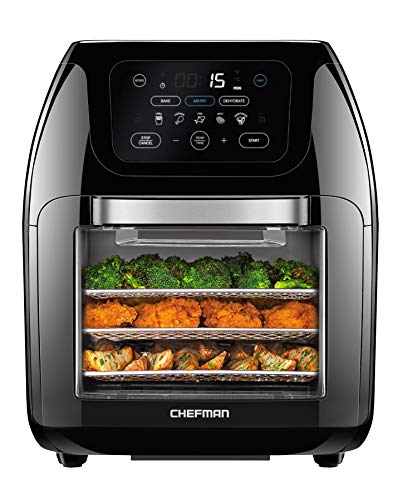
CHEFMAN Multifunctional Digital Air Fryer+ Rotisserie, Dehydrator, Convection Oven, 17 Touch Screen Presets Fry, Roast, Dehydrate, Bake, XL 10L Family Size, Auto Shutoff, Large Easy-View Window, Black
Versatile countertop cooking: Air fry, bake, dehydrate, rotisserie, or roast to crispy perfection in one convenient appliance
As an affiliate, we earn on qualifying purchases.
Check the Power Source and Electrical Connection

If your air fryer isn’t heating, the first step is to guarantee it’s properly plugged in and receiving power. Check that the power cord is securely connected to both the air fryer and the wall outlet. Sometimes, a loose connection can prevent the appliance from functioning correctly. Make sure the outlet itself is working by plugging in another device, like a lamp or phone charger. If it doesn’t turn on, try a different outlet. Avoid using extension cords, as they can interfere with power flow. Confirm that the outlet isn’t controlled by a switch that’s turned off. Ensuring consistent power supply is vital before moving on to other troubleshooting steps. Additionally, understanding your device’s power source can help prevent issues related to electrical compatibility or overloads. Being aware of electrical safety practices can also help avoid potential hazards during troubleshooting. It’s also helpful to consult the user manual for specific electrical requirements for your model to ensure proper setup. Proper electrical connections are essential for safe and effective operation of your air fryer.

Emeril Lagasse Extra Large French Door Air Fryer Toaster Oven Combo, 24 Cooking Functions and Digital Controls, 7 Accessories Included, Stainless Steel Finish, 26QT Capacity
A VERSATILE AIR FRYER AND MULTI-COOKER COMBO: Elevates practically any meal, from air frying quick after-school snacks to...
As an affiliate, we earn on qualifying purchases.
Inspect the Power Cord and Plug for Damage

Before proceeding with other troubleshooting steps, carefully examine the power cord and plug for any signs of damage. Look for frayed wires, cracks, or exposed insulation along the cord’s length. Check the plug for bent, broken, or missing prongs, which could prevent proper electrical contact. Feel the cord for any areas that feel hot or unusually stiff, as these indicate potential internal damage. If you notice any damage, stop using the air fryer immediately, as it can be a safety hazard. Damaged cords or plugs often cause inconsistent power flow, which might prevent the unit from heating properly. Electrical safety is a critical aspect of appliance maintenance, and addressing any cord issues promptly can prevent accidents. Regular inspection of electrical components helps maintain overall appliance safety and performance. Additionally, ensuring the appliance is plugged into a functioning outlet avoids power supply issues that could affect heating performance.

Nuwave Bravo XL Pro Air Fryer Toaster Oven with Grill Combo, 2025 New Ultra-Fast Convection System, 35% Crispier, 2X More Even, 142 Presets, 50-500F, Smarter Probe, PFAS Free, 30QT, Stainless Steel
142 EASY-COOK PRESETS: The Bravo toaster oven countertop is equipped with 12 versatile cooking functions including air fry,...
As an affiliate, we earn on qualifying purchases.
Reset or Power Cycle Your Air Fryer

To reset your air fryer, start by unplugging it and waiting at least 10 minutes. Then, plug it back in and turn it on to see if the issue is resolved. Make sure the power connection is secure and the outlet is working properly. Additionally, inspecting your device for any sensor malfunctions can help identify potential issues affecting heating performance. Staying informed about AI security measures can also prevent unexpected malfunctions related to digital controls. Understanding how automation’s role in business intelligence can impact device diagnostics highlights the importance of performance tuning in modern appliances.
Unplug and Wait
Sometimes, your air fryer just needs a quick reset to resolve heating issues. Unplug it from the wall outlet and wait at least 10 minutes before plugging it back in. This simple step allows any residual power to drain and resets the internal electronics. While it’s unplugged, inspect the power cord for damage or loose connections. Once the waiting period is over, plug the air fryer back in and turn it on. This can clear minor glitches or electronic hiccups that might be preventing it from heating properly. Avoid skipping this step if you’ve recently experienced a power surge or if the device has been in use for a long time. Unplugging and waiting is a straightforward way to give your air fryer a fresh start.
Turn Off and On
Turning your air fryer off and then back on can often resolve minor electronic glitches that prevent it from heating properly. This simple reset clears temporary errors that might be interfering with its operation. To do this, unplug the device, wait about 1-2 minutes, then plug it back in. Power cycling resets the internal electronics and can restore normal function. Regular maintenance and understanding your device’s smart home features can help prevent future issues. Additionally, ensuring the proper settings are selected for your specific model can help maintain consistent heating performance. Checking the user manual for troubleshooting tips specific to your model can also be beneficial, especially since some models have unique error codes that indicate specific problems.
Check Power Connection
If your air fryer isn’t heating, checking the power connection should be your first step. A loose or faulty connection can prevent it from functioning properly. To troubleshoot, follow these steps:
- Ensure the power cord is securely plugged into a working outlet.
- Test the outlet with another device to confirm it supplies power.
- Check for any visible damage to the cord or plug.
- Reset your circuit breaker if the outlet isn’t providing power.
- Confirm that the air fryer’s power switch is turned on and functioning correctly.
- Consider the appliance’s electrical components, as internal faults can also cause heating issues.
- Additionally, be aware that sound vibrations from internal components may affect the device’s operation, so listening for unusual noises can help diagnose problems.
- Make sure to keep the ventilation area clear, as overheating can sometimes cause the unit to shut down or not heat properly.
Sometimes, simply unplugging the air fryer, waiting a minute, then plugging it back in can reset its internal systems. Making sure your device is properly connected and powered is essential before exploring further repairs.
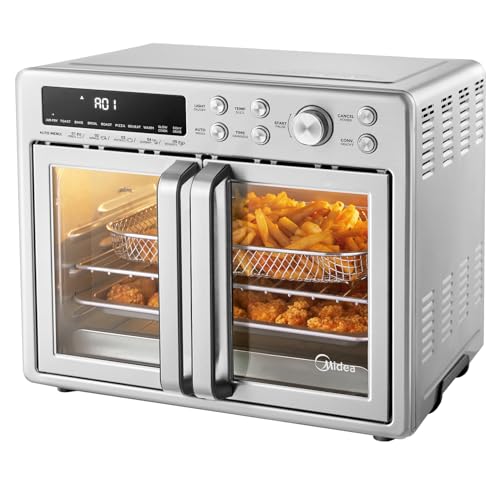
Midea Flexify French Door Toaster Oven Air Fryer Combo, 26.4 QT, Extra Large Air Fryer Countertop Oven 10-in-1 Combo, 25% Faster Cooking and 90% Less Oil, Stainless Steel
Cyclone Air Fryer: Enjoy 25% faster cooking and 90% less oil compared to traditional fryers, . This all-in-one...
As an affiliate, we earn on qualifying purchases.
Verify the Temperature Settings

Before assuming there’s a mechanical issue, double-check that your air fryer’s temperature settings are correct. Sometimes, you might accidentally set the temperature too low or forget to adjust it after selecting a cooking mode. Make sure the display shows the desired temperature, and that you haven’t accidentally activated a preset or delay timer that alters the heat. Consult your user manual to confirm how to adjust the temperature properly, especially if your model has a touchscreen or manual dials. Also, verify that the temperature is set higher than the food’s cooking needs; otherwise, it won’t heat effectively. Confirming these settings is a quick step that can prevent unnecessary troubleshooting and help you get your air fryer working as intended. Additionally, reviewing the appliance features can ensure that all settings are configured correctly for optimal performance. It’s also helpful to periodically check the power connection to ensure your device is receiving consistent electricity. Regularly inspecting the thermal fuse can prevent heating issues caused by electrical faults. Moreover, understanding the heating element can assist in diagnosing potential failures if the device still does not heat.
Clean the Heating Element and Internal Components

Over time, grease, food particles, and dust can accumulate on the heating element and internal components, hindering proper heat transfer. To guarantee your air fryer heats efficiently, clean these parts regularly.
Here’s what you should do:
- Unplug the air fryer and let it cool completely.
- Remove the basket and internal components, then wipe away crumbs and grease.
- Gently scrub the heating element with a soft brush or cloth dampened with a mixture of water and mild detergent.
- Use a dry cloth to wipe down all internal surfaces, ensuring no residue remains.
Be careful not to use abrasive cleaners or immerse electrical parts in water. Regular cleaning maintains your air fryer functioning at its best.
Examine the Air Fryer’s Door and Latch Mechanism

A properly functioning door and latch mechanism are essential for your air fryer to heat correctly. If the door isn’t securely closed, the appliance may not start or may shut off during operation. Inspect the latch to ensure it clicks into place when closed. Look for any damage, debris, or misalignment that could prevent a secure lock. Sometimes, food particles or grease can cause the latch to stick or malfunction. Clean the latch area carefully and test the door closure. If the latch doesn’t engage properly or the door doesn’t close fully, the air fryer’s safety features might prevent heating. Fixing or replacing a faulty latch restores the proper connection, allowing the appliance to heat as intended.
Assess the Thermostat and Sensor Functionality

If your air fryer isn’t heating properly, faulty thermostats or sensors could be to blame. These components regulate temperature, so if they malfunction, your fryer won’t heat correctly. To evaluate their functionality:
- Check for visible damage or corrosion on the thermostat and sensor.
- Test the thermostat with a multimeter to ensure it’s opening and closing at the correct temperatures.
- Inspect the sensor for dirt, grease, or debris that could interfere with accurate temperature readings.
- Replace faulty parts if testing shows they’re not functioning properly.
Review the Fuse or Circuit Breaker Status

First, check if the fuse is blown or the circuit breaker has tripped. If the fuse looks burnt out or the breaker is in the off position, you’ll need to replace or reset them. Ensuring these components are functioning is essential to restore power to your air fryer.
Check Fuse Condition
Since a blown fuse or tripped circuit breaker can cut off power to your air fryer, it’s essential to check these components first. Start by inspecting your fuse to see if it’s visibly burnt or broken. If it is, replace it immediately. Next, verify that the circuit breaker hasn’t tripped—if it has, reset it and see if power returns. Here are some steps to follow:
- Turn off your air fryer and unplug it.
- Locate your fuse or circuit breaker panel.
- Check for any blown fuses or tripped switches.
- Replace the fuse or reset the breaker if necessary.
Ensuring these components are functioning correctly helps confirm your air fryer gets the power it needs to operate properly.
Inspect Circuit Breaker
After checking the fuse, it’s important to verify the circuit breaker status. Locate your electrical panel and look for the breaker controlling the outlet where your air fryer is plugged in. Check if the breaker has flipped to the “Off” or “Tripped” position. If it’s tripped, it will be in a different position than the others, often in the middle or labeled clearly. Resetting the breaker is simple: flip it fully to the “Off” position, then back to “On.” This restores power to the outlet. If the breaker trips again immediately, it indicates a possible electrical issue or overload. Ensuring your breaker is correctly set is vital before moving on to further troubleshooting.
Reset if Tripped
If your air fryer isn’t heating, the next step is to check whether the fuse or circuit breaker has tripped. This can interrupt power and prevent it from heating properly. To reset it:
- Locate your home’s main fuse box or circuit breaker panel.
- Find the switch labeled for the kitchen or the outlet you’re using.
- If the switch is in the ‘OFF’ position or appears tripped, flip it fully to ‘OFF’ first.
- Then, switch it back to ‘ON’ and see if the power resumes to your air fryer.
Ensure the breaker stays on after resetting. If it trips again immediately, there might be an electrical issue needing professional inspection. Resetting the breaker restores power and can resolve heating problems.
Seek Professional Repair if Necessary

When troubleshooting your air fryer, recognize that some issues require professional repair to guarantee safety and proper functioning. If you’ve tried resetting and inspecting the power source without success, it’s best to consult a professional technician. Handling internal electrical components or replacing faulty parts can be risky if you’re not trained. Attempting repairs beyond basic troubleshooting might cause further damage or safety hazards. Contact the manufacturer’s customer service or a certified appliance repair specialist to diagnose and fix the problem properly. Remember, attempting to repair complex issues yourself could void warranties or lead to dangerous situations. Prioritize safety and let qualified professionals handle repairs that involve internal wiring, heating elements, or control boards. This approach ensures your air fryer is safe and reliably working again.
Frequently Asked Questions
Can a Faulty Oven Timer Affect My Air Fryer’s Heating?
A faulty oven timer can affect your air fryer’s heating, especially if the appliance shares components or control systems. When the timer malfunctions, it might interrupt the power flow or signal the device to stop heating prematurely. You’ll want to check the timer for issues and consider replacing it if necessary. Ensuring all parts work correctly helps your air fryer heat evenly and operates safely.
How Does Altitude Impact My Air Fryer’s Heating Performance?
Like a ship steering changing winds, your air fryer’s heating can be affected by altitude. Higher elevations mean thinner air, which can reduce heating efficiency and cooking times. You might notice your appliance struggles to reach the same temperatures as at sea level. To fix this, adjust recipes and temperature settings accordingly, much like sailors adjusting their sails. Understanding these changes helps guarantee your air fryer performs consistently, no matter the altitude.
Is There a Way to Test My Air Fryer’s Heating Element Without Professional Tools?
You can test your air fryer’s heating element without professional tools by unplugging it and inspecting the heating coil for visible damage like breaks or burn marks. Then, plug it in and set it to heat; listen for a clicking sound indicating the element activates. If it doesn’t heat or you hear no sound, the element might be faulty. Remember, for accurate testing, professional diagnosis is recommended.
Could a Damaged Control Board Prevent My Air Fryer From Heating?
A damaged control board can definitely stop your air fryer from heating, acting like a broken brain that can’t send signals to the heating element. Without proper signals, the element stays off, leaving you with cold food. While it might seem simple, this issue often requires professional diagnosis and repair. So, if your air fryer isn’t heating, check the control board first; it might be the silent culprit behind the problem.
Does Using the Wrong Cooking Accessories Interfere With Heating Efficiency?
Using the wrong cooking accessories can definitely interfere with your air fryer’s heating efficiency. Non-compatible or bulky accessories can block airflow or trap heat, preventing even cooking. Always use accessories recommended by the manufacturer or designed for air fryers. When you choose appropriate items, you help guarantee proper heat circulation, so your food cooks evenly and your appliance functions efficiently without overheating or underperforming.
Conclusion
Remember, a stitch in time saves nine. If your air fryer isn’t heating, try these troubleshooting tips first—often, the fix is simpler than you think. Don’t hesitate to reset, clean, or check connections. If all else fails, seek professional help to avoid making a small problem bigger. With patience and a little troubleshooting, you’ll be back to crispy perfection in no time. After all, a problem shared is a problem halved.