
TL;DR
Experts recommend specific landscaping and habitat practices to turn residential yards into refuges for fireflies. This approach aims to support declining firefly populations and enhance local ecosystems.
Conservation experts are encouraging homeowners to modify their yards to support declining firefly populations by creating suitable habitats. These efforts aim to boost local biodiversity and foster natural pest control, making individual gardens part of a broader ecological solution.

Get kitchen gear delivered free with Prime
- Fast, free delivery on millions of items
- Prime Video, Amazon Music and more included
- Member-only deals all year
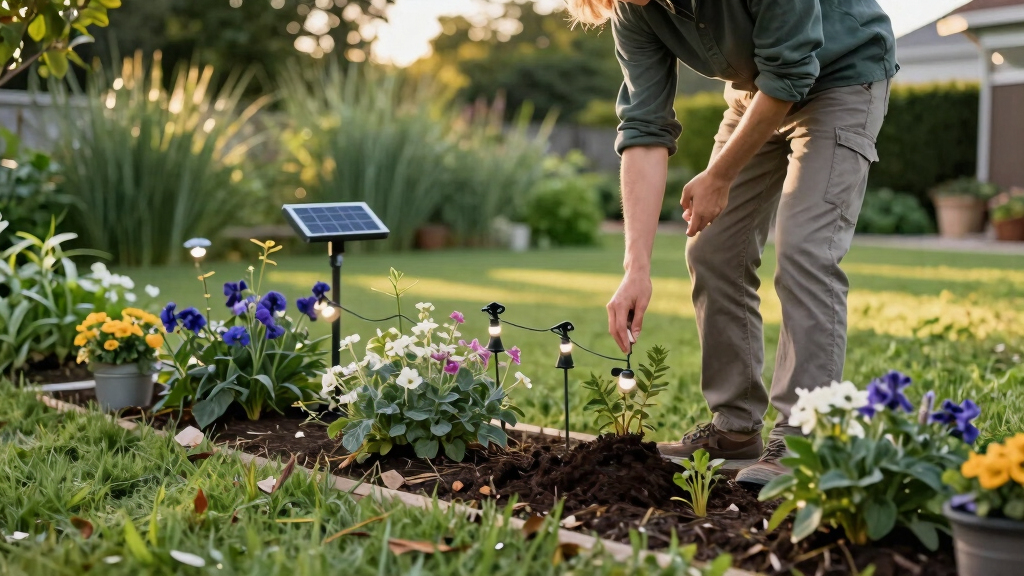
Recent guidance from entomologists and environmental organizations outlines specific steps homeowners can take to attract fireflies. These include planting native vegetation, avoiding pesticide use, and maintaining areas of standing or slow-moving water. Experts emphasize that these simple habitat enhancements can significantly increase firefly presence during their active months in summer.
According to Dr. Laura Jenkins, an entomologist at the National Biodiversity Institute, “Creating a safe, pesticide-free environment with plenty of native plants and moisture sources can make yards more inviting for fireflies and other beneficial insects.” These recommendations are based on studies showing that habitat loss and pesticide use are major factors in firefly declines.
Why Supporting Fireflies Matters for Ecosystems
Supporting firefly populations benefits local ecosystems by promoting pollination and natural pest control. Fireflies are also indicators of environmental health, and their decline signals broader habitat issues. For homeowners, creating firefly-friendly yards can enhance outdoor enjoyment and contribute to biodiversity conservation.
Products Worth Considering

KitchenAid Classic Series 4.5-Quart Tilt-Head Stand Mixer, Onyx Black

Vitamix 64 oz Low-Profile Blender Container with SELF-DETECT, BPA-Free

KitchenAid Artisan 5-Quart Tilt-Head Stand Mixer, Almond Cream
As an affiliate, we earn on qualifying purchases.
Recent Declines in Firefly Populations Highlight Need for Habitat Action
Over the past decade, reports from conservation groups indicate that firefly populations have decreased significantly in many regions, attributed mainly to habitat destruction and pesticide overuse. Efforts to reverse this trend include public education campaigns advocating habitat-friendly gardening practices. While scientific data confirms habitat loss as a key factor, the precise impact of individual yard modifications is still being studied.
“”Even small changes, like avoiding pesticides and planting native flowers, can make a big difference for fireflies in your neighborhood.””
— Jane Miller, local conservationist
Uncertainties About Effectiveness of Yard Modifications
While experts agree that habitat improvements can support fireflies, it remains unclear how quickly or to what extent individual yard efforts translate into population increases. Scientific studies are ongoing to measure long-term impacts of these practices across different regions.
Next Steps for Community Engagement and Research
Researchers plan to monitor firefly populations in neighborhoods adopting these habitat strategies to assess their effectiveness. Public education campaigns will continue to promote best practices, and local governments may consider incentives for firefly-friendly landscaping. Homeowners are encouraged to implement recommended habitat features and share their experiences.
Key Questions
What are the most effective ways to attract fireflies to my yard?
Plant native vegetation, avoid pesticides, and maintain moist, undisturbed areas with standing water or mulch. These habitat features create ideal conditions for fireflies to thrive.
Are pesticides the main reason for firefly declines?
Yes, pesticide overuse is a significant factor, along with habitat loss due to development and lawn monocultures. Reducing chemical use is strongly recommended.
How long does it take to see an increase in fireflies after habitat improvements?
Results vary by region and effort, but some homeowners report observing more fireflies within one to two seasons after making habitat changes.
Can I attract fireflies if I live in an urban area?
Yes, with appropriate habitat modifications, urban yards can support fireflies. Creating green spaces and reducing pesticide use are key steps.
Source: rss