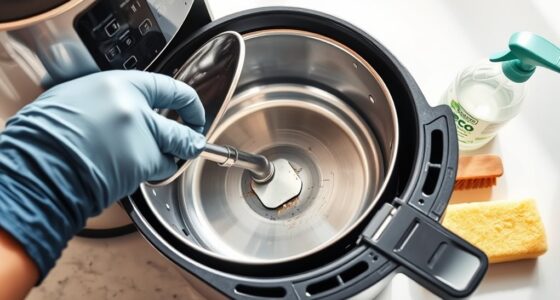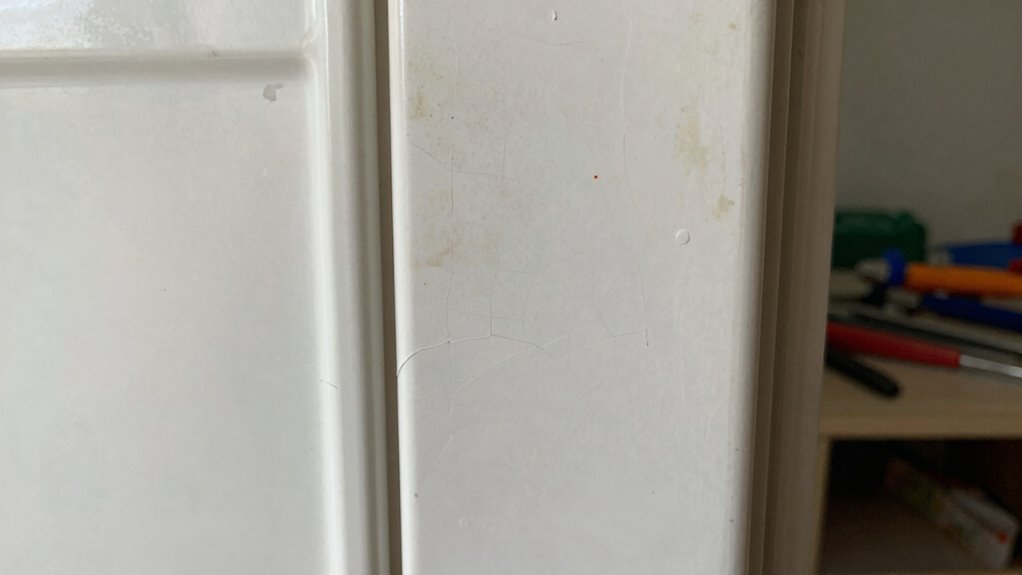

When new plastic emits a chemical odor, it’s usually normal if the smell is mild, fades within a few days to weeks, and lessens with good ventilation. If the smell persists, worsens, or causes discomfort, it could signal a problem. Watch for persistent, strong, or unusual odors, especially with health symptoms. Knowing what’s typical helps you decide when to take action—keep going, and you’ll learn how to tell the difference.
Key Takeaways
- Normal plastic odors are mild, temporary, and diminish within days to weeks with proper ventilation.
- Persistent, strong, or worsening smells beyond a few days may indicate a safety concern.
- Odors causing health symptoms like headaches or respiratory issues suggest a potential problem.
- Exposure to sunlight, airing, and neutralizers can help reduce normal plastic smells; failure to improve signals caution.
- Check for signs like discoloration, melting, or chemical notes; these red flags warrant further investigation or professional help.
Why Do New Plastic Items Smell? Understanding the Cause

When you open a brand-new plastic item, you might notice a distinct chemical smell. This odor results from chemical emissions released during manufacturing, which are common in new plastics. The smell mainly comes from volatile organic compounds (VOCs) that evaporate as the plastic off-gasses. These emissions depend heavily on the material composition; different plastics contain various additives, stabilizers, and solvents that influence the scent. For example, plastics with higher levels of certain chemicals tend to emit stronger odors initially. The smell isn’t usually harmful, but it’s a sign that the plastic is still releasing substances. Over time, these chemical emissions decrease as the material stabilizes, leading to a reduction or disappearance of the smell. Understanding these emissions can help consumers better grasp the safety and environmental impact of new plastic products, especially considering how material composition influences the initial odor.
How Can I Tell If the Plastic Smell Is Normal or Worrisome? Key Signs
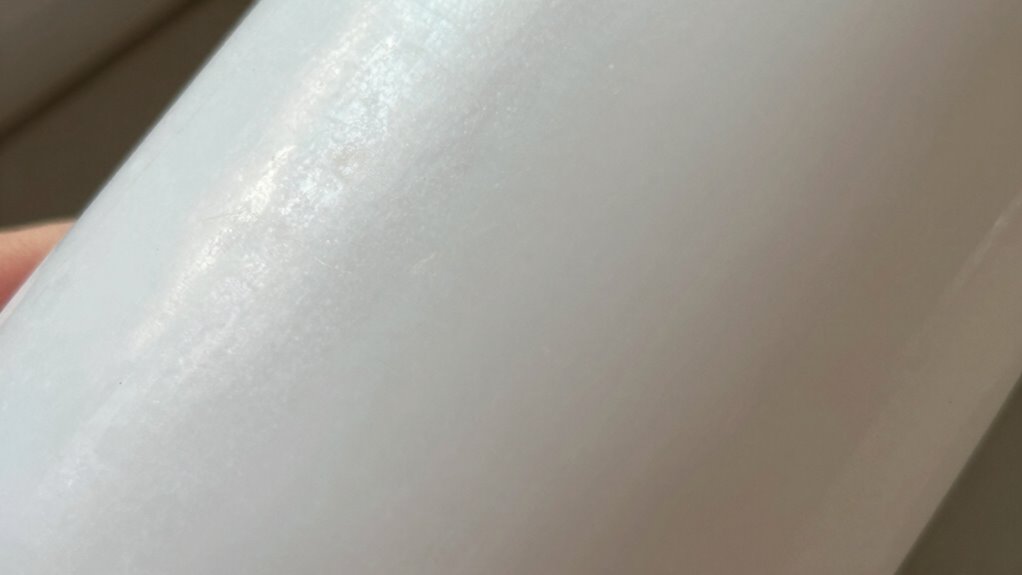
Not all plastic smells are cause for concern, but it’s important to recognize the signs that indicate a problem. If the odor is strong, persistent, or causes symptoms like headaches or throat irritation, it may signal chemical irritation or product safety issues. Keep an eye out for signs such as discoloration, melting, or an unusual chemical note that lingers. Understanding air purifier maintenance dos and don’ts can help prevent issues related to prolonged odors or malfunctioning units. Being aware of material safety standards can also guide you in choosing safer products that minimize off-gassing. Additionally, awareness of proper plastic manufacturing practices can help you better assess when a smell is within normal parameters. Recognizing the sources of plastic odors can help determine whether the smell is typical or warrants further investigation. Learning about plastic decomposition processes can also provide insight into when odors are a sign of material breakdown.
What Are the Red Flags That Signal a Problem With the Odor?
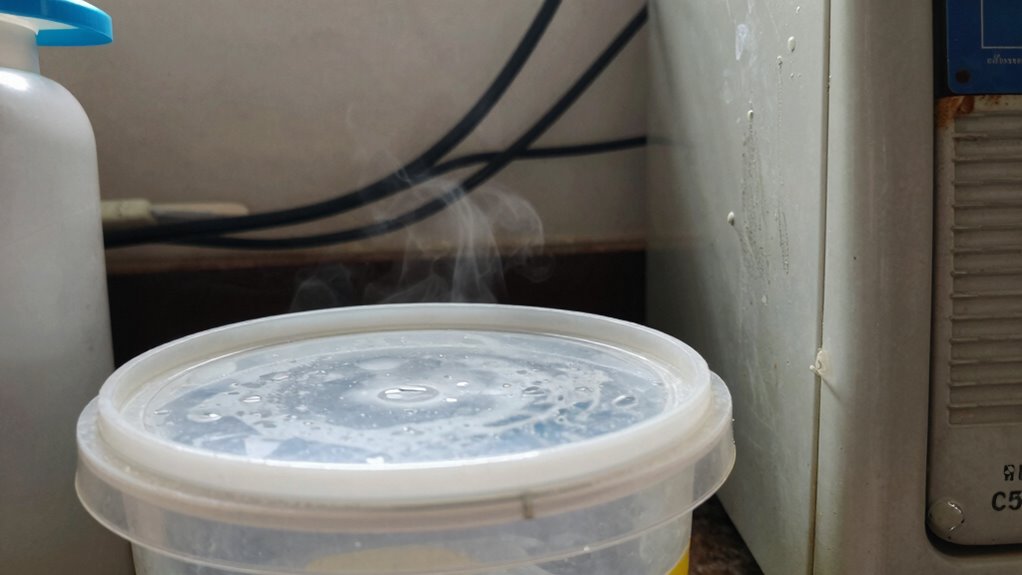
Recognizing red flags in plastic odors is essential because certain smells can indicate safety concerns. If the odor is strong, chemical, or persists beyond a few days, it could signal problematic chemical off gassing. Watch out for these warning signs:
Be alert to strong, chemical, or lingering plastic odors indicating potential safety risks.
- A persistent, overpowering chemical smell that doesn’t fade
- Unusual or rotten odors that seem out of place
- Odors that cause irritation, headaches, or respiratory issues
- Products linked to recent product recalls due to safety hazards
These clues suggest the plastic might be releasing harmful substances, which could pose health risks. If you notice any of these red flags, it’s wise to stop using the product and seek guidance. Ignoring these signals might lead to exposure to unsafe chemicals or further safety recalls.
How Long Does the Plastic Smell Usually Last? What to Expect

The plastic smell often lasts from a few days to a few weeks after your purchase, depending on various factors. Things like ventilation, temperature, and the type of plastic can influence how long it sticks around. If the odor persists beyond a month or worsens, it’s a good idea to seek advice. Additionally, understanding the air quality factors in your environment can help determine if the smell is a normal part of the break-in period or a sign of a more serious issue. Being aware of Free Floating conditions can help you assess whether the odor is harmless or indicates a potential problem. Monitoring the off-gassing process can also give you better insight into whether this is typical or warrants further investigation. Recognizing how environmental conditions impact the duration of off-gassing can help you better manage the situation. Moreover, being mindful of Indoor Air Quality can provide a broader context for evaluating whether the odor is typical or concerning.
Typical Smell Duration
When you bring a new plastic item home, the smell typically lasts for a few days to a couple of weeks. During this time, plastic residue slowly off-gasses, causing odor persistence. Usually, the strongest smell is within the first few days, then gradually diminishes. However, this can vary depending on the material and manufacturing process. To speed up odor dissipation, ensure good ventilation and expose the item to fresh air. Keep in mind, if the smell lingers beyond a few weeks or intensifies, it may indicate a more serious issue. Understanding this typical duration helps you distinguish between normal break-in and potential problems. Being aware of odor persistence guarantees you’re not alarmed unnecessarily and can take appropriate steps for a fresher, safer environment. Additionally, plastic off-gassing can vary based on manufacturing techniques and material quality, influencing how long the smell lasts. The VOC emission rate from different plastics also impacts how quickly the smell diminishes over time. Moreover, material quality plays a significant role in the amount of off-gassing and odor duration. Recognizing the odor duration can help you decide whether to seek professional advice or simply wait for it to subside. Knowing about off-gassing processes can also help you select safer, lower-emission products in the future.
Factors Influencing Longevity
Several factors can influence how long the plastic smell lasts, and understanding them helps you set realistic expectations. One key factor is plastic composition; different materials release odors at varying rates. For example, plastics with additives or certain polymers tend to emit smells longer due to their chemical makeup. Material aging also plays a role—newer plastics often smell stronger initially, but as they age and off-gas, the odor diminishes over time. Additionally, storage conditions, like exposure to heat or sunlight, can accelerate or prolong the smell. Keep in mind that thicker or denser plastics may retain odors longer than thinner ones. Chemical makeup of the plastic significantly impacts odor duration, as some formulations are more prone to lingering smells. By considering these factors, you can better predict how long the smell might persist and decide if it’s a normal part of the break-in process or a sign of something more significant.
When to Seek Help
Usually, the plastic smell should fade within a few days to a few weeks after initial use. If the odor persists beyond this, pay attention to the odor intensity and whether it diminishes over time. A strong, lingering smell that doesn’t lessen may signal a problem with the product’s materials or manufacturing. Keep in mind that the odor should align with the product’s expected lifespan; if it lasts longer than usual, it’s worth seeking help. Additionally, understanding the product’s materials and their typical off-gassing behavior can help you determine whether the smell is normal or a sign of a problem. Consider these signs:
- The smell remains strong after several weeks
- Odor intensity worsens over time
- The product’s lifespan is shorter than expected
- You notice unusual or chemical-like odors
In these cases, contacting the manufacturer or a professional is advisable. Be aware that some essential oils like lavender and eucalyptus are known for their pleasant aromas, but their presence in products should not contribute to persistent chemical smells. Also, off-gassing behaviors vary depending on the materials used, so familiarizing yourself with these can help you assess whether the smell is typical or concerning. For example, material composition can influence how long certain odors last and what signs indicate a safety concern. Additionally, performing simple initial tests can help determine if the odor is within normal limits or requires further inspection.
How Can I Safely Get Rid of Plastic Smell? Effective Tips
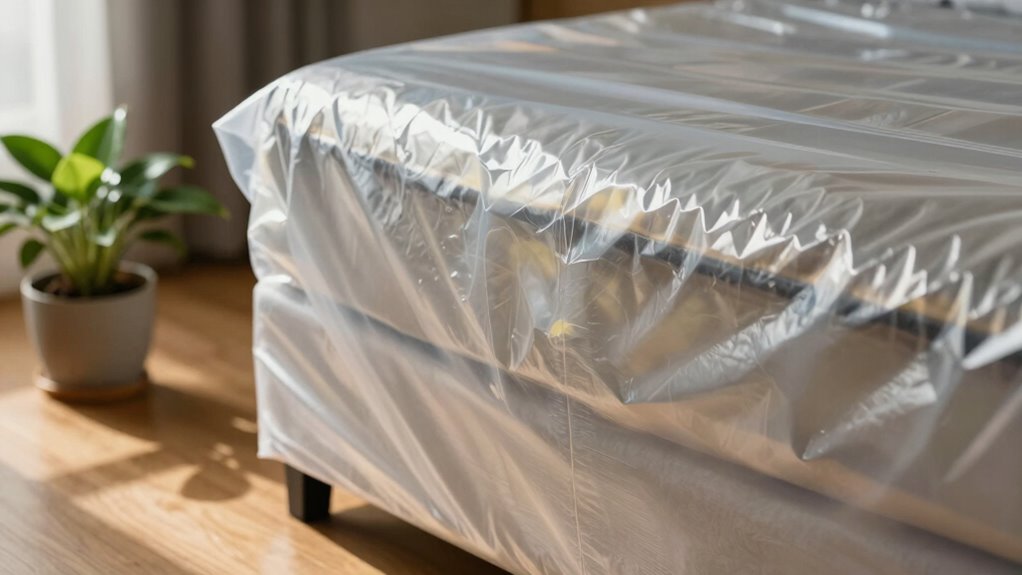
To safely eliminate plastic smell, start by airing out the item in a well-ventilated space. This helps reduce the concentration of odors naturally. You can also use air purification methods like HEPA filters or activated charcoal to absorb lingering fumes. Natural remedies such as placing bowls of vinegar, baking soda, or coffee grounds nearby can further neutralize odors effectively. Consider the following options:
| Method | Description |
|---|---|
| Air Purification | Use air purifiers with activated charcoal or HEPA filters to cleanse the air. |
| Natural Remedies | Place bowls of vinegar, baking soda, or coffee grounds around the item to absorb smell. |
| Sunlight Exposure | Let the item sit in sunlight to naturally break down odor-causing compounds. |
| Regular Ventilation | Keep the space well-ventilated for several days for best results. |
Additionally, ensuring proper ventilation techniques can significantly help in reducing stubborn plastic odors more quickly.
When Should I Seek Professional Help or Consider Returning the Product?

If the plastic smell persists despite your efforts to air out and neutralize it, it’s time to contemplate seeking professional help or returning the product. Persistent odor may indicate a serious issue, especially if it affects indoor air quality or safety. Consider professional odor removal services to ensure thorough cleansing. Additionally, if you notice symptoms like headaches, dizziness, or respiratory discomfort, stop using the product and consult a professional. Safety tips include avoiding prolonged exposure and ventilating your space regularly. You should also consider returning the product if the smell remains strong after multiple odor removal attempts or if it’s affecting your well-being. Trust your instincts—when in doubt, prioritize safety and get expert advice or a replacement. The presence of a strong plastic smell can sometimes be linked to product safety concerns or manufacturing defects, so taking prompt action is essential. It’s also helpful to be aware of indoor air quality issues that might be caused by such odors, which can impact overall health.
Frequently Asked Questions
Can Plastic Smell Be Harmful to Health?
Plastic smell can be harmful to your health if it’s caused by chemical emissions from volatile organic compounds (VOCs). These emissions can negatively affect indoor air quality, leading to headaches, dizziness, or respiratory issues. To protect yourself, make certain of proper ventilation and avoid prolonged exposure to strong plastic odors. If the smell persists or worsens, consider replacing the item or consulting a professional to improve your indoor air quality.
Does the Type of Plastic Affect Odor Intensity?
Yes, the type of plastic affects odor intensity because different plastics have varying compositions that influence odor variability. For instance, PVC might emit stronger smells due to added chemicals, while polypropylene usually has a milder odor. Your sense of smell can detect these differences, and understanding plastic composition helps you determine whether the odor is normal or a sign of potential issues. Always check manufacturer guidelines for specific plastic types.
Are Certain Products More Prone to Strong Odors?
Some products are more prone to strong odors because of their plastic composition and manufacturing process. Items made from certain plastics, like PVC or low-quality materials, tend to emit stronger smells. Additionally, products with complex manufacturing steps or added chemicals can increase odor intensity. You’ll notice these smells more in products with porous or poorly sealed surfaces, especially if the plastic isn’t thoroughly cured or processed during manufacturing.
How Does Temperature Influence Plastic Smell?
Did you know that higher temperatures can accelerate plastic decomposition and scent diffusion? When it’s hot, the plastic smell becomes more intense because heat causes molecules to break down faster, releasing more odor. So, if you notice a stronger smell in warm environments, it’s likely due to increased scent diffusion rather than a real problem. Keep plastics cool to minimize odors and slow down decomposition processes.
Can Long-Term Exposure to Plastic Odors Cause Health Issues?
Long-term exposure to plastic odors can cause health issues, especially if you’re sensitive or have a plastic allergy. Chemical exposure from prolonged inhalation may lead to respiratory problems, skin irritation, or headaches. If you notice persistent odors and symptoms, it’s best to limit exposure and improve ventilation. Recognizing signs of allergic reactions or chemical sensitivities helps you stay safe and avoid potential health risks associated with ongoing plastic scent exposure.
Conclusion
In most cases, a plastic smell is just a normal part of breaking in a new item. Did you know that about 80% of new plastic products emit odors that fade within a few days to weeks? If you notice persistent or strong odors, trust your instincts and check for red flags. By following the tips above, you can enjoy your new purchase safely—and breathe easy in no time!