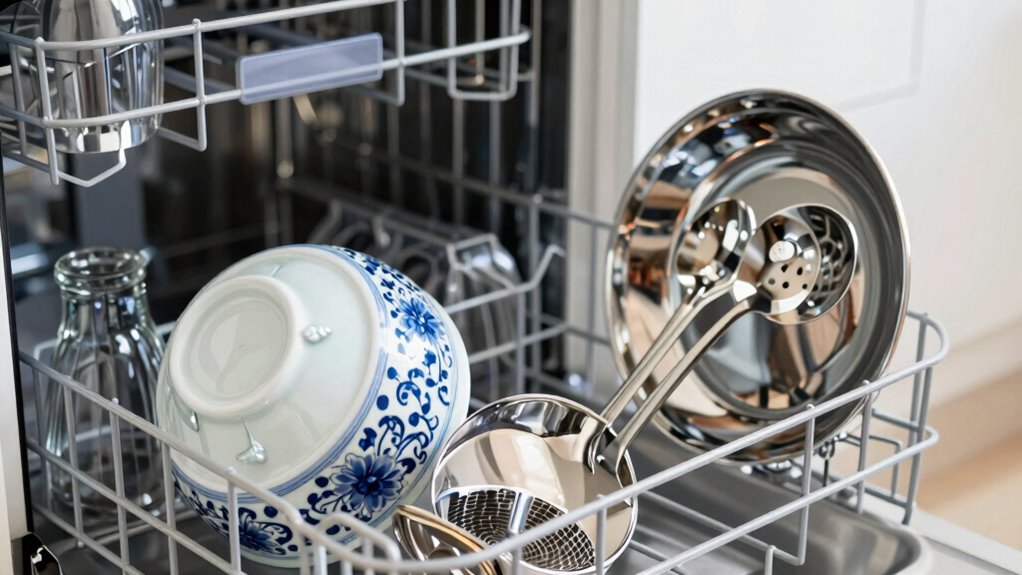

Many dishwasher-safe items are made from plastics labeled BPA-free or polypropylene, as they resist heat and chemicals well. Stainless steel and tempered glass are generally safe too, but delicate ceramics and thin plastics can warp or crack if exposed to high heat or overloading. Properly labeled utensils and careful loading help prevent damage, but some tools, like wooden or non-stick items, are better hand washed. Keep exploring to discover how to protect your kitchen gadgets effectively.
Key Takeaways
- Look for dishwasher safety symbols like the glass and fork icon on utensils and containers.
- Plastics labeled BPA-free, polypropylene, or polyethylene are generally heat-resistant and dishwasher safe.
- Tempered glass and stainless steel are durable, resistant to warping, and safe for dishwasher use.
- Avoid dishwashing delicate ceramics, low-quality plastics, or items without clear dishwasher-safe labels.
- Overloading and high heat settings increase the risk of warping or cracking of dishwasher-safe parts.
Which Materials Are Dishwasher Safe?

When choosing materials for dishwasher-safe parts, it’s important to know which ones can withstand the high heat and strong detergents. Material durability is key, as you need substances that won’t warp or crack after repeated cycles. Look for plastics labeled as BPA-free and those made from polypropylene or polyethylene, as they offer excellent chemical resistance. Metal options like stainless steel are also dishwasher safe because they resist corrosion and maintain strength. Avoid softer plastics or materials that are prone to melting or warping under heat. Glass is generally safe if tempered, but delicate ceramics may crack. By selecting materials with high material resilience and chemical resistance, you ensure your kitchen tools stay intact and functional after dishwasher cleaning. Additionally, understanding material lifespan can help you choose items that will last through many dishwasher cycles without deterioration, especially when considering the thermal resistance of the materials used. Recognizing material properties is essential for making informed choices about dishwasher-safe items. Being aware of heat tolerance helps prevent unexpected damage during cleaning.
How to Recognize Dishwasher-Safe Labels on Your Kitchen Tools
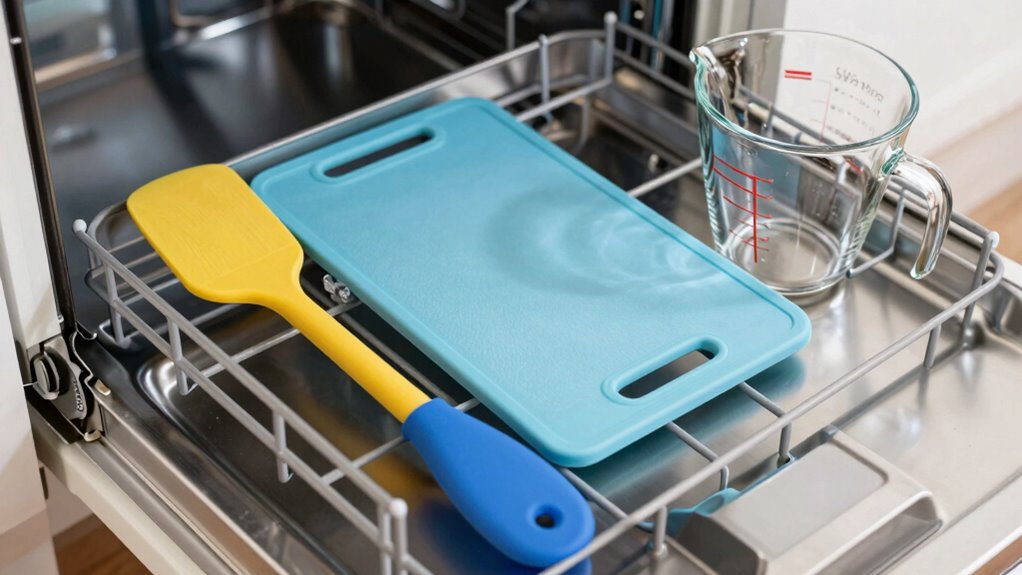
To determine if your kitchen tools are dishwasher safe, look for clear labels or symbols on the item itself or its packaging. These labels provide quick guidance on whether the item can withstand dishwasher cycles. If you’re investing in high-quality kitchen tools, choosing items with trusted precious metal standards can also ensure durability and safety over time. Here are the key labels to look for: 1. Dishwasher-safe symbol – Usually a glass and fork icon indicating safety. 2. Number codes – Numbers like “D” or “top rack only” specify placement and durability. 3. Material symbols – Icons representing plastics or metals, helping you interpret their dishwasher compatibility. Recognizing dishwasher-safe labels is crucial to prevent accidental damage and maintain the integrity of your kitchen tools. Proper understanding of Material symbols can prevent the use of incompatible items that may warp or degrade. Familiarity with dishwasher durability standards can help you select items that will last longer and withstand repeated washings. Additionally, researching dishwasher safe plastics and their resistance to heat can further prevent warping or melting during cleaning. Always check for these labels before washing, as they help prevent warping or damage caused by dishwashing.
Which Common Utensils Are Prone to Warping or Damage in the Dishwasher

Certain common utensils are more likely to warp or sustain damage in the dishwasher, especially if they aren’t designed to withstand high temperatures or aggressive cleaning cycles. Metal utensils, like thin forks or knives, can bend or develop weak spots if exposed to intense heat repeatedly. Plastic containers are also vulnerable; those made from low-quality plastics may warp, melt, or crack under high dishwasher temperatures. Avoid placing delicate or improperly labeled plastic items in the dishwasher, as they may deform or release harmful chemicals. Similarly, lightweight or poorly constructed metal utensils can warp or tarnish over time. To protect your utensils, always check if they’re dishwasher-safe and opt for high-quality, heat-resistant options whenever possible. Additionally, understanding the dishwasher-safe materials can help prevent accidental damage and prolong the lifespan of your utensils. Being aware of material durability can help you choose utensils that stand up better to dishwasher cleaning cycles and prevent warping or damage.
Tips for Extending the Life of Your Dishwasher-Safe Kitchen Gadgets

Keeping your dishwasher-safe kitchen gadgets in good condition requires a few simple habits. First, regularly clean them with vinegar to remove buildup and prevent warping caused by residues. Second, opt for eco-friendly detergents that are gentler on your gadgets and reduce the risk of damage from harsh chemicals. Third, avoid overloading your dishwasher, which can cause undue stress and warping. Additionally, hand wash delicate items when possible to prolong their lifespan. Always check the manufacturer’s instructions to ensure compatibility with dishwasher cleaning. Using a simple test to verify dishwasher safety can help prevent accidental damage. Being aware of dishwasher-safe materials can guide you in choosing the right kitchen tools. Understanding material durability helps you select gadgets that can withstand dishwasher cycles without warping or degrading. Regular inspection and maintenance can catch early signs of wear and prevent costly replacements. Incorporating proper loading techniques can further minimize the risk of warping or damage during cycles. By following these tips, you can extend the life of your dishwasher-safe gadgets, keep them looking new, and prevent unnecessary warping or damage. Simple habits make a big difference in maintaining your kitchen tools.
Common Mistakes That Cause Warping or Cracks in Dishwasher-Safe Items
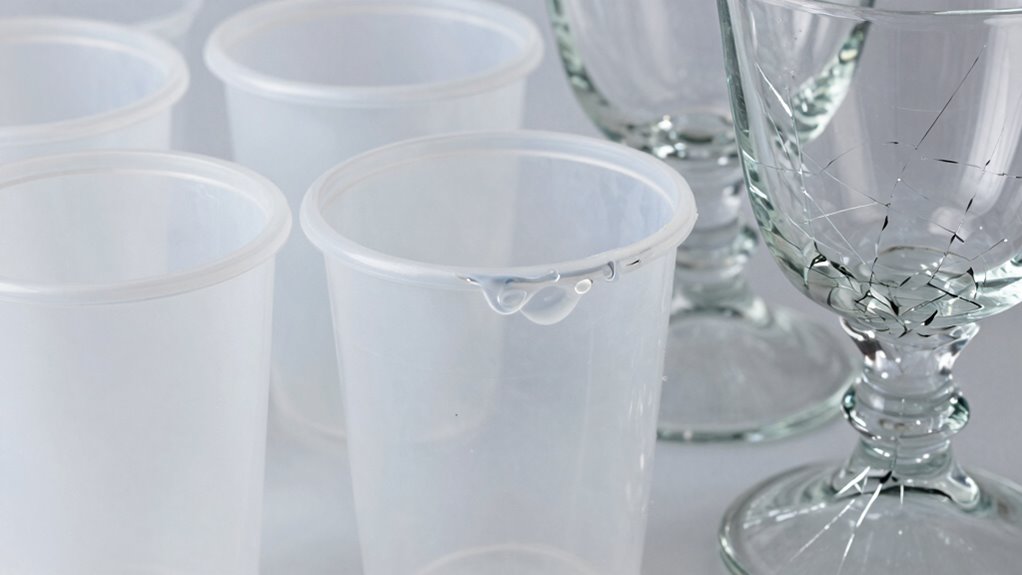
One common mistake is using high heat settings, which can cause warping or cracking of dishwasher-safe items. Overloading your dishwasher can lead to improper cleaning and put stress on delicate pieces, increasing the risk of damage. Additionally, ignoring the manufacturer’s instructions may result in using the wrong cycle or temperature that harms your items. To ensure longevity, understanding water chemistry and how it interacts with different materials can help prevent damage. Being aware of dishwasher-safe materials and their specific tolerances is crucial for maintaining your items over time. Moreover, selecting the appropriate cleaning cycle can significantly reduce the chance of warping or cracking caused by excessive heat or improper washing techniques. Knowing how water temperature affects various materials can further help in choosing the correct cycle and preventing damage.
Using High Heat Settings
Using high heat settings in your dishwasher might seem efficient, but it can easily lead to temperature damage, warping, or cracking of dishwasher-safe items. Many items aren’t designed to withstand extreme heat, even if labeled heat resistant. To avoid damage, keep these tips in mind:
- Check if your items specify a maximum temperature, and stick to lower settings when possible.
- Use the delicate or low-heat cycle for plastic and thin glassware to prevent warping.
- Reserve high heat for sturdy, heat-resistant materials like certain ceramics or metals, but only if they’re truly dishwasher-safe at high temperatures.
Overloading the Dishwasher
Overloading your dishwasher can lead to warping or cracking of dishwasher-safe items because crowded racks prevent proper water circulation and cause items to bump against each other. When you stuff too many dishes in, they don’t get thoroughly cleaned, which hampers effective dishwasher cleaning. Overloading also increases the risk of delicate items hitting hard surfaces, leading to damage. To avoid this, load your dishwasher carefully, ensuring each piece has enough space. Use eco friendly detergents that are gentle yet effective, helping preserve your dishes and the environment. Proper loading not only prevents warping but also improves cleaning performance. Remember, a well-organized dishwasher means safer, cleaner dishes and a longer lifespan for your dishwasher-safe parts. Keep it balanced, and avoid cramming everything in at once. Additionally, proper loading techniques can help prevent warping and extend the lifespan of your dishwasher-safe items. Being mindful of water circulation inside the dishwasher is crucial for maintaining the integrity of your dishes and ensuring thorough cleaning.
Ignoring Manufacturer Instructions
Ignoring manufacturer instructions when cleaning dishwasher-safe items often leads to damage like warping or cracking. Always check the manufacturer labels and material labels before washing. Failure to follow these guidelines can cause irreversible harm. Here are common mistakes to avoid:
- Ignoring temperature guidelines: Some materials can’t handle high heat, leading to warping. Proper material compatibility is essential to prevent damage. For example, understanding heat resistance helps you choose appropriate cleaning settings.
- Using harsh detergents: Strong chemicals may degrade or crack certain plastics or ceramics.
- Skipping drying instructions: Not following drying recommendations can cause warping or surface damage. Understanding cleaning guidelines helps ensure safe and effective maintenance.
Always read and follow the instructions on labels to protect your items. Remember, manufacturer labels provide essential info on safe cleaning practices, and ignoring them can void warranties or cause permanent damage. Stay informed to keep your dishwasher-safe parts in top shape. Understanding material compatibility is key to preventing damage and extending the life of your dishware.
When Should You Hand Wash Kitchen Tools Instead of Using the Dishwasher?

Certain kitchen tools are best hand washed to preserve their quality and longevity. You should consider hand washing when the item requires delicate item care or if the manufacturer advises against dishwashing. Items like wooden utensils, fine china, and non-stick cookware can warp, crack, or degrade in a dishwasher’s high heat and harsh detergents. Hand washing helps prevent damage caused by rapid temperature changes or abrasive cleaning cycles. Additionally, tools with glued or laminated parts may loosen or deteriorate. For delicate or valuable tools, opt for gentle scrubbing with mild soap and water. This approach ensures you avoid unnecessary wear and tear, keeping your kitchen tools in top condition for longer. When in doubt, hand washing is the safer choice for preserving fragile or sensitive items, especially considering the damage risks associated with dishwasher use.
Best Practices for Loading and Caring for Dishwasher-Safe Items

To keep your dishwasher-safe items in good condition, you need to load them correctly and choose the right items for the dishwasher. Proper loading guarantees everything gets cleaned without damage, while selecting dishwasher-safe items prevents unexpected breakage. Follow these best practices to extend the life of your dishes and protect your investment.
Proper Loading Techniques
Properly loading dishwasher-safe items guarantees they come out clean and undamaged. To protect material durability and guarantee safe cleaning, follow these tips:
- Place items with the label identification facing down or on their sides to prevent warping or damage.
- Avoid overcrowding; give each piece enough space to prevent knocking or scratches during the cycle.
- Secure lightweight or delicate items so they don’t flip or shift, which can cause warping or breakage.
Always check the manufacturer’s instructions for specific care, especially for materials prone to warping. Proper loading techniques help maintain the integrity of your dishwasher-safe parts and ensure they withstand repeated use without damage.
Selecting Dishwasher-Safe Items
How can you guarantee you’re selecting the right items for your dishwasher? First, check the material durability—look for items labeled as dishwasher-safe. Not all plastics or ceramics withstand multiple dishwasher cycles without warping or cracking. Glassware and certain metals are usually safe, but avoid delicate or thin plastics that may deform. Always read manufacturer labels or care instructions to confirm dishwasher compatibility. When choosing items, consider how often they’ll go through the dishwasher; frequent cycles can weaken less durable materials over time. To prevent warping or damage, opt for sturdy, heat-resistant plastics and avoid stacking items too tightly. Properly selecting dishwasher-safe items ensures they withstand repeated cleaning, maintaining their shape and function without warping or deterioration.
Frequently Asked Questions
Can Plastic Utensils Become Brittle After Multiple Dishwasher Cycles?
Yes, plastic utensils can become brittle after multiple dishwasher cycles due to plastic degradation. The heat and harsh detergents can weaken the material, reducing utensil durability over time. You might notice cracks or breaks more easily, indicating they’re no longer safe to use. To extend their lifespan, hand wash them when possible, and avoid exposing them to high temperatures that accelerate brittleness.
Are Silicone Bakeware Items Safe to Dishwasher Regularly?
If you regularly wash silicone bakeware in your dishwasher, you’re generally safe, but durability varies. For example, a baker who used dishwasher safe silicone for years noticed slight warping after many cycles. Silicone bakeware is designed to withstand dishwasher heat, but frequent exposure can cause warping or degradation over time. To preserve your dishwasher safe silicone’s longevity, hand washing occasionally is a good idea, especially for intricate or older pieces.
How Do I Prevent Glassware From Clouding in the Dishwasher?
To prevent glassware from clouding in the dishwasher, focus on proper dishwasher glass care. Use a rinse aid to help prevent mineral deposits and cloudiness, and avoid overloading to guarantee proper water circulation. Choose a gentle cycle for delicate glassware, and avoid high heat settings that can cause clouding or damage. Regularly clean your dishwasher’s filter and spray arms to maintain peak cleaning performance, reducing the risk of cloudiness over time.
Do Stainless Steel Kitchen Tools Ever Warp or Corrode?
Stainless steel kitchen tools generally don’t warp or corrode because of their durability and corrosion resistance. However, exposing them to harsh chemicals, high heat, or prolonged moisture can eventually cause damage over time. To keep your tools in top shape, wash and dry them properly, avoid abrasive cleaners, and store them in a dry place. With proper care, your stainless steel tools will last, maintaining their strength and shine.
Is There a Safe Way to Clean Wooden Utensils in the Dishwasher?
Did you know that over 60% of wooden utensils are damaged by improper cleaning? To keep them safe, avoid putting wooden utensils in the dishwasher, as high heat and moisture can warp or crack them. Instead, focus on wooden care by hand washing with mild soap and water, then air drying. This method guarantees dishwasher safety for your wooden utensils while preserving their longevity and appearance.
Conclusion
By paying close attention to labels and handling your kitchen tools with a gentle touch, you can keep them looking and working their best. A little extra care goes a long way in preserving your favorite gadgets and avoiding unexpected surprises. Remember, sometimes a quick hand wash is the best way to show your utensils a little extra love. With mindful habits, your kitchen essentials will serve you well, season after season.