Replacing a power cord or plug can be safe to do yourself if you guarantee compatibility, verify ratings, and follow proper wiring procedures. Always unplug the appliance before starting, inspect for damage, and match the new plug to your device’s voltage and amperage. Take care to secure wire connections tightly and check that everything is correctly assembled. If you keep these safety tips in mind, you can confidently handle this repair — more useful details await you.
Key Takeaways
- Verify compatibility by matching the voltage, amperage, and plug type with the appliance and local electrical standards.
- Ensure the appliance is unplugged before working on the cord or plug to prevent electric shock.
- Follow proper wiring procedures, securely attaching wires to the correct terminals according to color coding or instructions.
- Check for damage on the cord or plug and replace only if you have the proper tools and knowledge.
- Test the appliance after replacement, and consult a professional if you’re unsure about wiring or safety concerns.
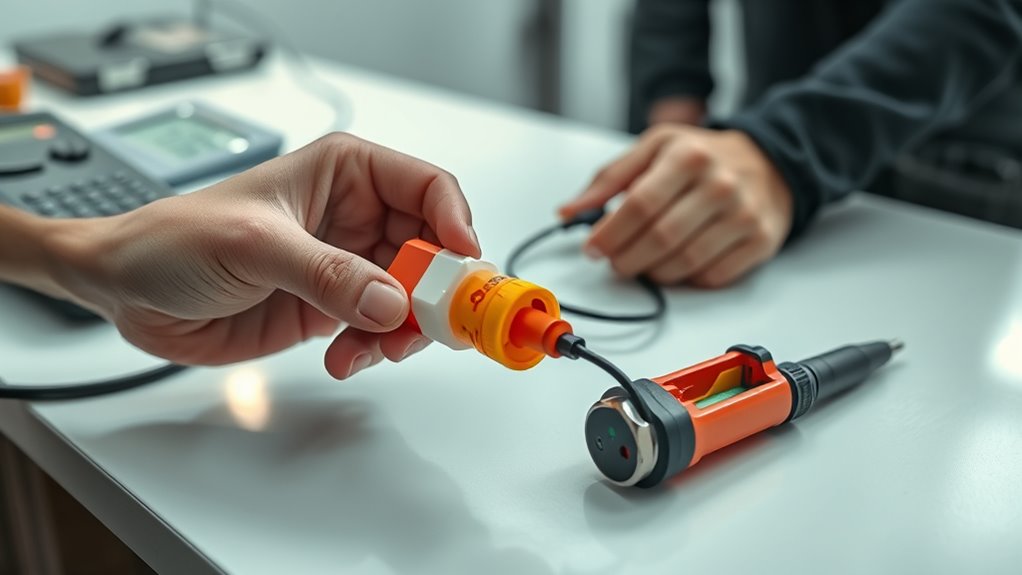
If your appliance’s power cord or plug is damaged or worn out, replacing it is a straightforward way to restore safety and functionality. Handling this task yourself can save you time and money, but it’s essential to prioritize cord safety. Before you begin, verify you have the right replacement cord or plug that matches the specifications of your device. The plug’s compatibility is critical; using an incompatible plug can lead to poor connections, electrical shorts, or even fire hazards. Check the voltage and amperage ratings on your appliance and match them with the new cord or plug to prevent potential issues.
Start by unplugging the appliance from the power source. Once disconnected, examine the existing cord or plug carefully. If the cord has frayed insulation, exposed wires, or the plug shows signs of melting or burn marks, replacing it is necessary. When removing the old plug, make sure to disconnect all wires properly, noting which wire connects where. Typically, a three-prong plug has a hot, neutral, and ground wire, and these should be connected to the corresponding terminals on the new plug. Many plugs come with instructions or color-coded terminals, so follow those carefully to ensure a correct and safe connection.
When installing the new plug, strip the insulation from the wires just enough to make a secure connection. Twist the wires tightly around the terminal screws, ensuring no stray strands can cause a short circuit. Tighten all screws firmly but avoid over-tightening, as this can damage the wires or the plug’s internal components. After wiring, double-check that the connections are solid, and verify that the plug is compatible with your appliance and local electrical standards. Proper plug compatibility isn’t just about fitting the socket; it’s also about guaranteeing the plug can handle the power load safely.
Additionally, understanding the importance of projector technology can help you choose the appropriate replacement parts if your device is a projector, ensuring optimal functionality and safety. Once everything is connected correctly, plug in the appliance and test it in a safe environment. If it operates smoothly and without sparks or unusual sounds, you’ve likely done the job correctly. Remember, even if the repair seems simple, safety is paramount. If you’re unsure about the wiring or compatibility, or if the appliance has been severely damaged, it’s best to consult a professional. While replacing a power cord or plug can often be a DIY task, always follow safety guidelines and local electrical codes to prevent accidents. Properly replacing a damaged cord or plug not only maintains your appliance’s performance but also keeps your home safe.
Frequently Asked Questions
Can I Replace a Power Cord on Any Appliance?
You can replace a power cord on many appliances, but you need to check appliance compatibility first. Confirm the new cord matches the original’s specifications and is suitable for the device. Follow cord length guidelines to avoid strain or electrical issues. If you’re unsure about compatibility or safety, it’s better to consult a professional. DIY replacements are fine for simple tasks, but safety always comes first to prevent damage or hazards.
What Tools Are Needed for Replacing a Plug Safely?
Imagine you’re unwrapping a gift—carefully, to reveal the prize inside. To replace a plug safely, you’ll need a wire stripper to expose the metal conductors and screwdrivers to tighten or loosen connections. A flat-head or Phillips screwdriver ensures secure attachment of the wires to the plug terminals. These tools help you work precisely and safely, making your DIY project as smooth as unwrapping that perfect gift.
How Do I Identify the Correct Replacement Cord or Plug?
You identify the correct replacement cord or plug by checking color coding—typically, green or green-yellow for grounding, white or blue for neutral, and black or brown for hot wires. Confirm it meets grounding requirements for safety. Match the plug’s specifications with your device’s power rating. Always verify the cord’s compatibility, and if unsure about grounding or wiring standards, consult a professional. This keeps your setup safe and compliant.
Are There Specific Safety Standards for DIY Replacements?
Think of safety standards as a lighthouse guiding your DIY efforts. Yes, there are specific safety standards for DIY replacements, like UL or CSA certifications, that make certain your work meets safety codes. Following these standards guarantees your DIY compliance, reducing hazards and ensuring your device operates safely. Always check the labels and manufacturer instructions—skipping these steps can turn a simple fix into a dangerous mistake. Prioritize safety first!
What Should I Do if I Notice Sparks or Damage During Replacement?
If you notice sparks or damage during replacement, stop immediately. Electrical hazards can cause shocks or fires, so unplug the device and avoid further handling. Inspect the cord for proper insulation and signs of damage. If you’re unsure, it’s safest to replace the cord with a new one that meets safety standards. Never attempt to repair damaged wiring yourself; instead, consult a qualified professional to prevent risks.
Conclusion
Remember, replacing a power cord or plug is like fixing a leaky faucet—you can sometimes do it yourself, but knowing your limits keeps you safe. I once saw someone attempt a repair without proper tools and end up with a shock—that’s a wake-up call. Always prioritize safety and when in doubt, call a professional. Your safety is worth more than a quick fix. Better to be cautious than risk a small job turning into a big problem.