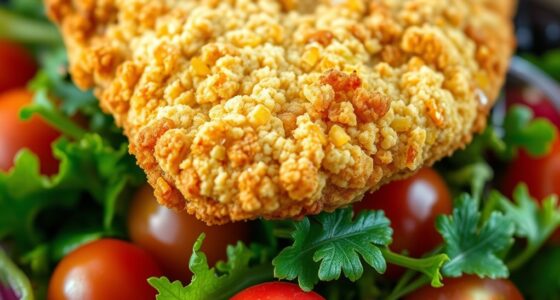
To avoid soggy fries, focus on controlling your oil temperature and avoid overcrowding the fryer, which can lower heat and make fries absorb more oil. Use a thermometer to keep the oil at 350°F to 375°F, and consider double-frying—first at a lower temp to cook the interior, then cranking up the heat for crispiness. Monitoring the color and timing guarantees perfectly crispy results. Keep these tips in mind, and you’ll master crisp fries every time.
Key Takeaways
- Maintain a consistent oil temperature of 350°F to 375°F to prevent fries from absorbing excess oil and becoming soggy.
- Use a double-fry method: first at 325°F to cook the interior, then increase to 375°F for a crisp exterior.
- Avoid overcrowding the fryer, which drops oil temperature and results in limp, soggy fries.
- Monitor frying time carefully; over-frying can make fries greasy, while under-frying leaves them soggy and pale.
- Drain fries on paper towels immediately after frying to remove excess oil and preserve crispness.

Ever wondered how to make your fries perfectly crispy every time? The secret lies in mastering the right oil temperature and frying duration. When you start frying, ensure your oil is heated to the ideal temperature—usually between 350°F to 375°F (175°C to 190°C). This range is vital because if the oil isn’t hot enough, your fries will absorb excess oil and turn out soggy instead of crispy. Conversely, if the oil is too hot, the exterior can burn before the interior cooks properly. Using a thermometer can help you hit that perfect temperature every time, giving you consistent results. Once your oil reaches the right heat, it’s time to pay close attention to the frying duration. Over-frying causes fries to become greasy and limp, while under-frying leaves them pale and soggy. Typically, fries need about 3 to 5 minutes of cooking, depending on their thickness. Thinner fries cook faster, while thicker cuts may need a little longer. Keep an eye on their color; they should turn a deep golden brown, signaling they’re crispy and cooked through.
To achieve that perfect crunch, some cooks prefer a double-fry method. First, fry the potatoes at a lower temperature—around 325°F (160°C)—for a few minutes to cook the interior, then increase the heat to 375°F (190°C) and fry again for 1-2 minutes until crispy. This technique ensures the fries are cooked evenly and develop a desirable crispiness without becoming greasy. Timing is everything: if you notice your fries are browning too quickly, reduce the heat slightly or remove them sooner. If they’re not browning after the expected frying duration, give them a little more time—but be cautious not to overdo it.

Cosori 9-in-1 TurboBlaze Air Fryer 6 Qt, Premium Ceramic Coating, 90°–450°F, Precise Heating for Even Results, Air Fry, Roast, Bake, Broil, Dry, Frozen, Proof, Reheat, Keep Warm, 120V, Dark Gray
𝘼𝙞𝙧 𝙁𝙧𝙮𝙚𝙧 𝙐𝙥𝙜𝙧𝙖𝙙𝙚: Innovative TurboBlaze Technology delivers a powerful 3600 rpm fan speed and temperatures up to 450℉,...
As an affiliate, we earn on qualifying purchases.
Frequently Asked Questions
Can Microwave Reheating Restore Crispness to Soggy Fries?
Microwave reheating doesn’t effectively restore crispness to soggy fries because it tends to make them even more limp. Instead, you should try oven or skillet reheating to regain their crunch. If you must use a microwave, pat the fries dry first, then reheat them in short bursts, but keep in mind that microwave reheating is limited in restoring crispness. For the best results, avoid sogginess altogether by proper storage and reheating methods.
What Oil Is Best for Frying Crispy Fries?
Perfectly crispy fries come from the right oil choice and precise frying temperature. You should opt for oils with high smoke points like peanut, canola, or vegetable oil to achieve that crunchy exterior. Set your frying temperature to around 350°F to 375°F, ensuring the fries cook evenly without getting greasy. Using the best oil and maintaining the right heat helps you create consistently crisp, golden fries every time.
How Does Soaking Potatoes Affect Fry Texture?
When you soak potatoes, it removes excess starch, which helps improve fry texture by making them crisper. Soaking also prevents fries from sticking together and results in a more even cook. To get the best crispy fries, soak the cut potatoes in cold water for at least 30 minutes, then dry them thoroughly before frying. This simple step guarantees your fries stay crunchy and delicious.
Are There Specific Storage Tips to Keep Fries Crispy?
To keep fries crispy, use proper packaging techniques like paper or breathable containers to prevent moisture buildup. Store them at room temperature, not in the fridge, as cold can make them soggy. When reheating, maintain a high temperature to restore crispness. These steps help preserve the fry’s texture, ensuring each bite stays crunchy and delicious without becoming soggy.
Can Different Potato Varieties Influence Fry Crispness?
Different potato varieties markedly influence fry crispness because their potato starch content affects fry texture. Waxy potatoes have less starch, making fries less crispy, while starchy potatoes like Russets contain more potato starch, resulting in crunchier fries. To maximize crispness, choose high-starch potatoes for frying. Their higher potato starch levels create a firmer fry texture, helping you achieve that perfect, crispy exterior every time.

Ninja Air Fryer with Air Crisp | 5 QT Capacity fits up to 4lbs of Fries | 4-in-1 Pro Air Fry, Roast, Reheat, Dehydrate | 400°F Max Temp | 1750 Watts | W/Nonstick Basket & Crisper Plate | Grey | AF141
AIR CRISP TECHNOLOGY: 400℉ superheated air surrounds food for hot, crispy results with little to no oil.
As an affiliate, we earn on qualifying purchases.
Conclusion
To keep your fries crispy, think of them as a delicate dance partner—you want to support their structure without smothering them. Use a hot fryer, don’t overcrowd the pan, and drain excess oil. Remember, a few simple tips can turn soggy disappointment into a crispy delight. With these tricks, you’ll be able to serve fries that stay as crisp as a freshly baked crust, turning every bite into a satisfying crunch.

Emeril Lagasse Extra Large French Door Air Fryer Toaster Oven Combo, 24 Cooking Functions and Digital Controls, 7 Accessories Included, Stainless Steel Finish, 26QT Capacity
A VERSATILE AIR FRYER AND MULTI-COOKER COMBO: Elevates practically any meal, from air frying quick after-school snacks to...
As an affiliate, we earn on qualifying purchases.
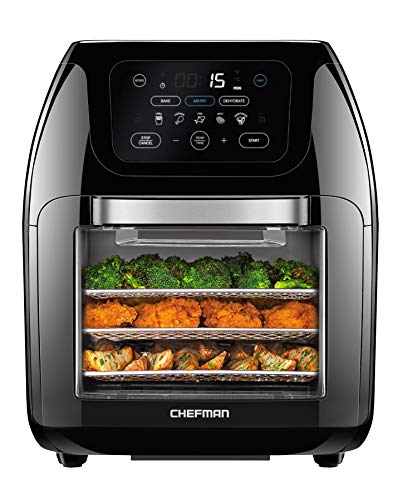
CHEFMAN Multifunctional Digital Air Fryer+ Rotisserie, Dehydrator, Convection Oven, 17 Touch Screen Presets Fry, Roast, Dehydrate, Bake, XL 10L Family Size, Auto Shutoff, Large Easy-View Window, Black
Versatile countertop cooking: Air fry, bake, dehydrate, rotisserie, or roast to crispy perfection in one convenient appliance
As an affiliate, we earn on qualifying purchases.