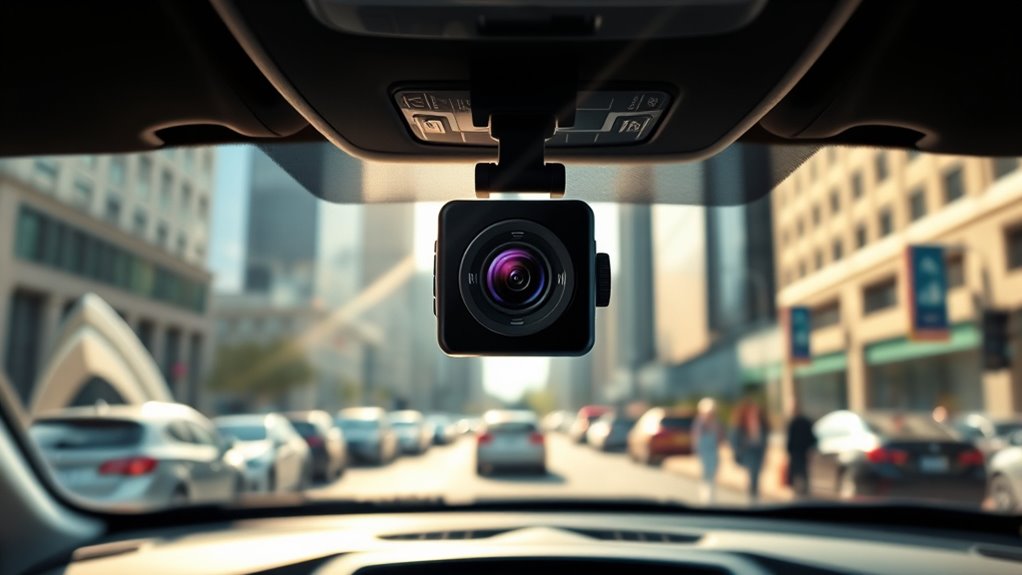

The Terunsoul 3-Channel Dash Cam is my best overall pick for its front, rear, and cabin coverage, while the REDTIGER F7NP stands out for a focused front-and-rear setup with a STARVIS 2 sensor. For broader views around the car, the XYGCACO 4-Channel and 360 View 4 Channel add side cameras, but ask more of an installation than a two-camera kit. The main tradeoffs are coverage versus simpler setup, and extra features versus the storage, wiring, and attention they can require. Read on for how these 11 options differ and which dash cam best fits your driving habits.

Get kitchen gear delivered free with Prime
- Fast, free delivery on millions of items
- Prime Video, Amazon Music and more included
- Member-only deals all year
Complete the kit


Key Takeaways
- Three-channel coverage is the roundup’s most balanced approach: Terunsoul records front, rear, and cabin views, while the 70mai T800E offers another front-rear-interior configuration.
- Four-channel systems prioritize all-around visibility over simplicity: XYGCACO and 360 View add left and right camera coverage, which can help capture more sides of the vehicle but means more cameras to place and connect.
- Two-channel models suit drivers focused on road incidents: REDTIGER F7NP, ROVE R2-4K, Galphi, Affver, WANLIPO, and REDTIGER F7N Touch pair front and rear recording without an interior camera.
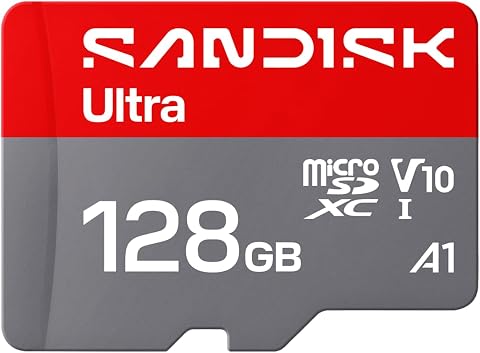
- Included storage varies widely: the listed bundles range from 32GB to 128GB cards, so recording duration and whether a card is included deserve a check before buying.
- Form factor changes the driving experience: the WOLFBOX G840S replaces a conventional dash-mounted screen with a 12-inch mirror display, while the REDTIGER F7N Touch offers a dedicated touchscreen unit.
| Terunsoul 3-Channel Dash Cam, 4K Front and Rear, 1080P Cabin |  | Best for High-Detail Three-View Coverage | Video resolution: 4K front, 4K rear, 1080p cabin | Field of view: 170° front, 150° rear, 150° cabin | Display: 3.18-inch IPS | VIEW ON AMAZON | See Our Full Breakdown |
| XYGCACO 4-Channel 360° Dash Cam with 4K Front and Three 1080p Cameras |  | Best for Four-Direction Coverage | Camera channels: 4 | Video resolution: 4K front; 1080p on three other cameras | Screen: 3 inches | VIEW ON AMAZON | See Our Full Breakdown |
| REDTIGER F7NP 4K Dash Cam Front Rear, STARVIS 2 Sensor, Free Card Included |  | Best for Night-Recording Features | Video resolution: 4K front, 1080p rear | Field of view: 170° front, 140° rear | Image sensor and lens: STARVIS 2 sensor; f/1.5 aperture; 6-layer optical lens | VIEW ON AMAZON | See Our Full Breakdown |
| Galphi 4K Front Dash Cam with 5 GHz Wi-Fi and 32 GB Memory Card |  | Best Compact Front-Only Pick | Video resolution: 4K (2160p) | Field of view: 160° | Frame rate: 30 fps | VIEW ON AMAZON | See Our Full Breakdown |
| 360 View 4 Channel Dash Cam Front and Rear Left Right Inside Camera for Cars, GPS and 5G Band WiFi, Night Vision, 160 Wide Angle, WDR, 24H Parking Mode, Supercapacitor, Included 128GB Card |  | Best Four-Channel Value | Camera channels: 4 | Video resolution: 1080p on all four cameras | Field of view: 160° listed real angle of view; 360° coverage claim | VIEW ON AMAZON | See Our Full Breakdown |
| WOLFBOX G840S 12″ 4K Mirror Dash Cam with Backup Camera, GPS, and 32GB Card |  | Best Mirror-Style Dash Cam | Display: 12-inch 2.5D curved LCD | Front resolution: 4K UHD (2160p) | Rear resolution: 1080p | VIEW ON AMAZON | See Our Full Breakdown |
| ROVE R2-4K Dual Dash Cam Front and Rear |  | Best for Low-Light Driving | Front resolution: Upscaled 4K (2160p) | Rear resolution: 1080p Full HD | Sensor: Sony STARVIS 2 IMX675, 5MP | VIEW ON AMAZON | See Our Full Breakdown |
| Affver 4K+2.5K Dash Cam Front and Rear, Built-in 5G WiFi 6 GPS Dual Dashcam |  | Best High-Resolution Rear Coverage | Front resolution: 4K UHD, 2160p at 30fps | Rear resolution: 2.5K at 25fps | Front field of view: 160° | VIEW ON AMAZON | See Our Full Breakdown |
| WANLIPO A13 4K+2.5K Dual Channel Dash Cam with GPS, 5GHz WiFi, and 64GB Card |  | Best Compact Dual-Resolution Pick | Model: A13 | Front resolution: 4K (3840 × 2160p) | Rear resolution: 2.5K | VIEW ON AMAZON | See Our Full Breakdown |
| REDTIGER F7N Touch 4K Dual Dash Cam with STARVIS 2 Sensor, 128GB Card, GPS, WiFi, and Touchscreen |  | Best for Hands-On Controls | Front resolution: 4K UHD (2160p) | Rear resolution: 1080p FHD | Sensor and aperture: STARVIS 2 CMOS; f/1.8 | VIEW ON AMAZON | See Our Full Breakdown |
| 70mai T800E 4K 3-Channel Dash Cam (Front, Rear, Interior) with GPS, Wi-Fi 6, and 64GB SD Card |  | Best for Three-Angle Coverage | Video resolution: 4K front, 1080P rear, 1080P interior | Frame rate: 30 FPS | Aperture: F1.55 | VIEW ON AMAZON | See Our Full Breakdown |
| dash cam | Display | Field of view | Connectivity | Video resolution |
|---|---|---|---|---|
| Terunsoul 3-Channel Dash Cam | 3.18-inch IPS | 170° front, 150° rear, 150° cabin | Dual-band Wi-Fi 6 (5.8GHz and 2.4GHz), Bluetooth | 4K front, 4K rear, 1080p cabin |
| XYGCACO 4-Channel 360° Dash Ca | — | — | 5GHz Wi-Fi, GPS | 4K front; 1080p on three other cameras |
| REDTIGER F7NP 4K Dash Cam Fron | — | 170° front, 140° rear | Built-in 5.8GHz Wi-Fi and app control | 4K front, 1080p rear |
| Galphi 4K Front Dash Cam with | None | 160° | 5GHz Wi-Fi | 4K (2160p) |
| 360 View 4 Channel Dash Cam Fr | 3 inches | 160° listed real angle of view; 360° coverage claim | 5GHz Wi-Fi and app control | 1080p on all four cameras |
| WOLFBOX G840S 12" 4K Mirror Da | 12-inch 2.5D curved LCD | — | 5.8GHz Wi-Fi and GPS | — |
| ROVE R2-4K Dual Dash Cam Front | 3-inch IPS | 150° front; 140° rear | — | — |
| Affver 4K+2.5K Dash Cam Front | 3.59-inch IPS | — | — | — |
| WANLIPO A13 4K+2.5K Dual Chann | 2.0-inch IPS | — | — | — |
| REDTIGER F7N Touch 4K Dual Das | 3.18-inch LCD touchscreen | 170° front; 140° rear | — | — |
| 70mai T800E 4K 3-Channel Dash | — | 402 degrees | Wi-Fi 6, GPS | 4K front, 1080P rear, 1080P interior |
More Details on Our Top Picks
Terunsoul 3-Channel Dash Cam, 4K Front and Rear, 1080P Cabin
The Terunsoul suits drivers who want more detail from both ends of the car without giving up cabin recording. Its 4K front and rear video out-resolves the 1080p rear camera on the REDTIGER F7NP, while a 1080p cabin camera and four infrared lights add coverage for rideshare trips or disputes inside the vehicle. A 128GB card is included, and support for up to 512GB gives longer trips more recording headroom than the XYGCACO’s 256GB limit. The tradeoff is that this is not full side-window coverage: the XYGCACO and 360 View record four directions. Terunsoul also records at 25 fps, and its 24-hour parking monitoring needs a separately purchased hardwire kit. I’d choose it for front-and-rear detail plus an interior view, not for a screen-free setup or the broadest all-around coverage.
Pros:- Records front and rear at 4K and the cabin at 1080p
- Four cabin infrared lights support recording in darkness
- Includes a 128GB microSD card and supports up to 512GB
- Built-in GPS and dual-band Wi-Fi 6 support location data and app access
Cons:- 24-hour parking monitoring requires a separate hardwire kit
- 25 fps is lower than the 30 fps listed for the 360 View
- Does not provide dedicated left- and right-side camera coverage
Best for: Rideshare drivers and family-car owners who want high-resolution front and rear footage plus a recorded cabin view.
Not ideal for: Drivers seeking simultaneous left- and right-side coverage, or buyers who want parking monitoring without purchasing and installing a hardwire kit.
- Video resolution:4K front, 4K rear, 1080p cabin
- Field of view:170° front, 150° rear, 150° cabin
- Display:3.18-inch IPS
- Connectivity:Dual-band Wi-Fi 6 (5.8GHz and 2.4GHz), Bluetooth
- Included memory:128GB microSD; supports up to 512GB
- Frame rate:25 fps
- GPS:Built-in
- Parking monitoring:24-hour time-lapse and collision detection; hardwire kit required
- Warranty:3 years
Our verdict“Choose the Terunsoul if you want detailed front-and-rear recording with cabin coverage, and can accept a hardwire-kit purchase for parking monitoring.”
XYGCACO 4-Channel 360° Dash Cam with 4K Front and Three 1080p Cameras
The XYGCACO’s clearest advantage is four-camera coverage: one 4K front camera plus three adjustable 1080p cameras for the rear and sides. That layout is better suited to documenting incidents around the vehicle than the Terunsoul, which records front, rear, and cabin but not dedicated left and right views. The included 64GB card, GPS, G-sensor, and 5GHz Wi-Fi app access provide a useful set of everyday recording tools. Eight infrared lights and WDR are intended to help with low-light footage, though the supplied details do not specify the other cameras’ viewing angles. This setup involves more camera positioning than a simple front-only unit like the Galphi, and parking monitoring requires a separate hardwire kit. Its 18-month warranty is shorter than Terunsoul’s three-year coverage.
Pros:- Four cameras cover front, rear, left, and right views
- 4K front recording paired with three adjustable 1080p cameras
- G-sensor can lock incident footage against loop-recording overwrite
- Includes a 64GB card, GPS, and 5GHz Wi-Fi app access
Cons:- 24-hour parking monitoring requires a separately purchased hardwire kit
- Included 64GB card is smaller than the 128GB cards supplied with Terunsoul and 360 View
- 18-month warranty is shorter than Terunsoul’s three-year warranty
Best for: Drivers who want front, rear, and side views recorded together, including minivan owners concerned about incidents around the vehicle.
Not ideal for: Buyers prioritizing a longer warranty, simple installation, or a large included memory card for extended recording.
- Camera channels:4
- Video resolution:4K front; 1080p on three other cameras
- Screen:3 inches
- Connectivity:5GHz Wi-Fi, GPS
- Included memory:64GB; supports up to 256GB
- Aperture:f/1.6
- Night recording:8 infrared lights with WDR
- Parking mode:24-hour monitoring; separate hardwire kit required
- Warranty:18 months
Our verdict“Pick the XYGCACO if side coverage matters more to you than simpler installation or longer warranty coverage.”
REDTIGER F7NP 4K Dash Cam Front Rear, STARVIS 2 Sensor, Free Card Included
The REDTIGER F7NP is a strong fit for drivers who want a conventional front-and-rear dash cam with specific attention to difficult lighting. Its STARVIS 2 sensor, f/1.5 aperture, WDR, and HDR are aimed at preserving useful detail across bright headlights and shadowed roads; the rear camera records at 1080p, unlike the Terunsoul’s 4K rear view. A supercapacitor replaces a lithium battery, a design choice the listing positions for improved heat resistance. Built-in GPS and 5.8GHz Wi-Fi add route data and phone access, while a 128GB card is included. Compared with four-channel options such as the XYGCACO, it leaves side views uncovered. The supplied information also describes parking modes but requires a hardwire kit, and the product data gives conflicting memory details, so I would verify the card and capacity specifications before buying.
Pros:- STARVIS 2 sensor with f/1.5 aperture, WDR, and HDR for varied lighting
- Includes a 128GB memory card according to the product information
- Built-in GPS and 5.8GHz Wi-Fi support route review and app downloads
- Supercapacitor design is specified instead of a lithium battery
Cons:- Rear camera records at 1080p, below the Terunsoul’s 4K rear resolution
- Parking modes require a separately obtained hardwire kit
- No cabin or side cameras for interior or all-around coverage
Best for: Commuters and rideshare drivers who want front-and-rear recording, GPS, phone access, and night-oriented image features.
Not ideal for: Drivers who need cabin or side-camera coverage, or buyers who want parking mode without hardwiring the camera.
- Video resolution:4K front, 1080p rear
- Field of view:170° front, 140° rear
- Image sensor and lens:STARVIS 2 sensor; f/1.5 aperture; 6-layer optical lens
- Night recording:WDR and HDR
- Connectivity:Built-in 5.8GHz Wi-Fi and app control
- GPS:Built-in
- Included memory:128GB microSD card listed in product information
- Parking mode:Time-lapse and G-sensor modes; hardwire kit required
- Power component and warranty:Supercapacitor; 18-month warranty
Our verdict“Choose the F7NP if night-oriented image features and straightforward front-and-rear coverage matter more than higher-resolution rear or multi-angle recording.”
Galphi 4K Front Dash Cam with 5 GHz Wi-Fi and 32 GB Memory Card
The Galphi keeps the setup focused: a compact, screen-free unit records the road ahead in 4K, with a 160-degree view, 30 fps capture, and a pre-installed 32GB card. Its lack of a display can suit drivers who prefer an unobtrusive windshield camera, though it means checking footage depends on the app rather than on-camera playback. Compared with the REDTIGER F7NP, Galphi skips rear coverage, GPS, and the F7NP’s listed STARVIS 2 sensor, but it also avoids the extra rear-camera installation. The f/1.6 aperture and WDR support night recording, while G-sensor locking helps preserve sudden-event clips. Its 32GB card is modest beside the 128GB cards included with Terunsoul and 360 View. Parking mode also needs a separate Type-C hardwire kit, and the warranty is 12 months.
Pros:- Records front footage in 4K at 30 fps
- Compact, screen-free design avoids an on-camera display
- Includes a pre-installed 32GB microSD card
- G-sensor can lock footage when sudden movement or a collision is detected
Cons:- Front-only recording provides no rear, cabin, or side footage
- No built-in display for viewing clips on the camera
- Parking mode requires a separately purchased Type-C hardwire kit
Best for: Drivers who want a small, screen-free front camera and are comfortable reviewing clips through a phone app.
Not ideal for: Drivers who need rear or cabin footage, on-device playback, or a large included card for longer recording intervals.
- Video resolution:4K (2160p)
- Field of view:160°
- Frame rate:30 fps
- Display:None
- Connectivity:5GHz Wi-Fi
- Included memory:32GB microSD; supports up to 256GB
- Lens:f/1.6 aperture with WDR
- Parking mode:24-hour time-lapse; Type-C hardwire kit required
- Warranty:12 months
Our verdict“The Galphi makes sense for drivers seeking a compact front-only camera, but not for anyone who needs multi-camera evidence or on-device playback.”
360 View 4 Channel Dash Cam Front and Rear Left Right Inside Camera for Cars, GPS and 5G Band WiFi, Night Vision, 160 Wide Angle, WDR, 24H Parking Mode, Supercapacitor, Included 128GB Card
The 360 View gives drivers a four-camera layout without making the front camera the only high-resolution channel: all four cameras record 1080p, covering front, rear, and both sides, with adjustable front cameras that can be aimed toward the cabin. That makes it a practical alternative to the XYGCACO, which adds 4K front recording but also lists only a 64GB included card; this model includes 128GB. Eight infrared lights, WDR, loop recording, and incident locking round out the recording setup. The compromises are meaningful: footage is 1080p across all channels, and GPS is optional rather than built in, so location and speed data require a separate GPS logger. Parking mode also needs an optional ACC hardwire kit. I’d favor it for broad coverage and included storage, not for maximum front-camera detail or a ready-to-use GPS overlay.
Pros:- Four 1080p cameras record front, rear, left, and right views
- Includes a 128GB microSD card and supports up to 256GB
- Eight infrared lights and WDR support low-light recording
- Supercapacitor and incident-locking loop recording are specified
Cons:- All camera channels record at 1080p, unlike the XYGCACO’s 4K front camera
- GPS logger is sold separately
- Parking mode requires an optional ACC hardwire kit
Best for: Drivers who want front, rear, side, and adjustable interior coverage with a larger included card, and can accept 1080p video on every channel.
Not ideal for: Buyers who need 4K evidence from the front camera or want built-in GPS and parking monitoring without extra accessories.
- Camera channels:4
- Video resolution:1080p on all four cameras
- Field of view:160° listed real angle of view; 360° coverage claim
- Display:3 inches
- Connectivity:5GHz Wi-Fi and app control
- Included memory:128GB microSD; supports up to 256GB
- Night recording:Eight infrared lights with WDR
- GPS:Optional GPS logger sold separately
- Parking mode:Time-lapse; optional ACC hardwire kit required
Our verdict“Choose the 360 View if you value four-direction coverage and a 128GB included card more than 4K front detail or built-in GPS.”
WOLFBOX G840S 12″ 4K Mirror Dash Cam with Backup Camera, GPS, and 32GB Card
The WOLFBOX G840S is the choice here for drivers who want a dash cam that also enlarges the rearview image. Its 12-inch mirror display and curved screen give the rear camera a prominent role, which can help when the vehicle’s rear view is restricted. The front records in 4K UHD and the rear in 1080p, while GPS and 5.8GHz Wi-Fi add location records and app-based footage sharing. Compared with the more conventional REDTIGER F7N Touch, WOLFBOX trades a compact windshield-mounted setup for a much larger mirror screen. That screen may suit drivers who want rear-view assistance, but it takes up more of the mirror area and may not suit every vehicle or driver. Parking monitoring needs a separate hardwire kit, and the listed 32GB card gives less included storage than the 128GB cards bundled with the ROVE and REDTIGER.
Pros:- 12-inch curved display provides a broad rear-camera view in place of relying only on the standard mirror
- 4K UHD front and 1080p rear recording cover both directions
- Built-in GPS and 5.8GHz Wi-Fi support route logging and wireless clip sharing
- WDR/HDR night-vision processing helps manage challenging lighting
Cons:- 24-hour parking monitoring requires a separately purchased hardwire kit
- Included 32GB card offers less storage than the 128GB cards supplied with the ROVE R2-4K and REDTIGER F7N Touch
- Large mirror-style screen may be a poor fit for drivers who prefer a small, low-profile camera
Best for: Drivers of vehicles with limited rear visibility who want a large mirror-mounted screen and front-and-rear recording.
Not ideal for: Drivers seeking a discreet, compact windshield camera or a dash cam with generous included storage; this model uses a large mirror display and includes a 32GB card.
- Display:12-inch 2.5D curved LCD
- Front resolution:4K UHD (2160p)
- Rear resolution:1080p
- Front field of view:170°
- Rear field of view:140°
- Connectivity:5.8GHz Wi-Fi and GPS
- Included storage:32GB card
- Lens:6-glass lens
- Warranty:12 months
Our verdict“Choose the WOLFBOX G840S if a large mirror display and improved rear visibility matter more to you than a discreet fit or larger included memory card.”
ROVE R2-4K Dual Dash Cam Front and Rear
The ROVE R2-4K earns its place for drivers who put night footage near the top of their checklist. Its Sony STARVIS 2 IMX675 sensor and F1.5 front aperture are aimed at gathering useful detail in dim conditions, with a 1080p rear camera covering traffic behind. The front resolution is described as upscaled 4K, not native 4K, so buyers focused on the capture method should weigh that against the native 4K claim for the WANLIPO A13. ROVE answers with a stronger out-of-box storage package: a 128GB card and installation accessories are included, unlike the WANLIPO’s 64GB card. GPS, dual-band Wi-Fi and a 3-inch screen round out an accessible setup. The tradeoff is that parking mode still requires a separate hardwire kit, and the upscaled front video may not satisfy buyers seeking native 4K recording.
Pros:- Sony STARVIS 2 sensor and F1.5 front aperture target better low-light capture
- Includes a 128GB microSD card and installation accessories
- Dual-band Wi-Fi supports app connections over 5.8GHz or 2.4GHz
- Built-in GPS, HDR, voice guidance and OTA updates add useful recording and setup functions
Cons:- Front 4K footage is upscaled rather than native 4K
- Parking mode requires a hardwire kit that is not included
- 3-inch screen is smaller than the WOLFBOX G840S mirror display
Best for: Drivers who regularly travel at night and want a dual-camera kit with a low-light-focused sensor and a large included memory card.
Not ideal for: Buyers who require native 4K front capture or want parking surveillance without purchasing a separate hardwire kit.
- Front resolution:Upscaled 4K (2160p)
- Rear resolution:1080p Full HD
- Sensor:Sony STARVIS 2 IMX675, 5MP
- Aperture:F1.5 front; F1.8 rear
- Display:3-inch IPS
- Field of view:150° front; 140° rear
- Connectivity and GPS:Dual-band 5.8GHz/2.4GHz Wi-Fi; built-in GPS
- Included storage:128GB microSD card
- Power:5V USB; supercapacitor
Our verdict“Pick the ROVE R2-4K for its low-light-oriented sensor and generous included storage, provided upscaled 4K and an extra parking-mode accessory work for you.”
Affver 4K+2.5K Dash Cam Front and Rear, Built-in 5G WiFi 6 GPS Dual Dashcam
The Affver A4 stands out for buyers who want more rear-camera detail than the 1080p systems in this group. Its listed setup records 4K front and 2.5K rear video, with wide viewing angles that cover a broad area around the vehicle. The 3.59-inch screen is larger than the WANLIPO A13’s 2-inch display, while the low-profile design is less mirror-dominant than the WOLFBOX G840S. Wi-Fi 6, GPS, loop recording and a bundled 64GB card make it a feature-rich package for everyday use. The source description labels the connection “5G WiFi 6”; buyers should read that as a Wi-Fi feature, not cellular connectivity. The listing also advertises 24-hour parking monitoring, but gives no clear hardwire-kit detail, so check the power requirements before relying on it. Its maximum supported card size is listed as 256GB.
Pros:- 4K front and 2.5K rear recording provide more rear resolution than 1080p dual-camera alternatives
- 3.59-inch IPS screen is larger than the WANLIPO A13’s 2-inch display
- Wi-Fi 6, built-in GPS and a 64GB card are included in the described package
- F1.5 aperture, six-layer lens and WDR are specified for low-light recording
Cons:- Maximum supported microSD capacity is listed as 256GB, lower than the ROVE R2-4K’s stated 1TB support
- Parking-monitoring power and hardwire-kit requirements are not clearly specified
- The listing’s “5G WiFi” wording may confuse buyers expecting cellular connectivity
Best for: Family and rideshare drivers who want higher-resolution rear footage, an on-device screen, GPS and a relatively discreet windshield-mounted camera.
Not ideal for: Drivers who need confirmed parking-mode wiring details or a compact screen; the listed display is 3.59 inches and parking power requirements are not specified clearly.
- Front resolution:4K UHD, 2160p at 30fps
- Rear resolution:2.5K at 25fps
- Front field of view:160°
- Rear field of view:155°
- Display:3.59-inch IPS
- Connectivity and GPS:Wi-Fi 6 (listed as 5GHz Wi-Fi); built-in GPS
- Included storage:64GB microSD card
- Maximum supported storage:256GB microSD
- Warranty:24 months
Our verdict“Choose the Affver A4 if sharper rear footage and a readable built-in screen matter most, but verify parking-mode wiring before purchase.”
WANLIPO A13 4K+2.5K Dual Channel Dash Cam with GPS, 5GHz WiFi, and 64GB Card
The WANLIPO A13 pairs a compact form with 4K front and 2.5K rear recording, making it a straightforward choice for drivers who want detailed coverage without a large mirror display. Its 2-inch IPS screen is smaller than the Affver A4’s 3.59-inch panel, but the discreet design is easier to place behind the rearview mirror. Built-in GPS records route information, while 5GHz Wi-Fi and the included 64GB card support app-based review soon after installation. Compared with the ROVE R2-4K, WANLIPO specifies native 4K front capture and higher rear resolution, but ROVE includes twice the storage and offers a STARVIS 2 sensor. WANLIPO’s narrower 120° rear field of view is also worth noting beside its 170° front view. Parking monitoring needs a separate hardwire kit, and some app features require a paid subscription.
Pros:- Specifies 4K front and 2.5K rear recording
- Compact design can mount discreetly behind the rearview mirror
- Built-in GPS and 5GHz Wi-Fi support route records and app access
- Includes a 64GB microSD card for setup
Cons:- Rear field of view is 120°, narrower than the Affver A4’s listed 155°
- Parking monitoring requires a separately purchased hardwire kit
- Some advanced app features require a paid membership
Best for: Drivers seeking a discreet front-and-rear camera with specified 4K/2.5K recording, GPS and a usable included memory card.
Not ideal for: Drivers who want a wide rear viewing angle, the largest included card, or access to every app feature without a subscription.
- Model:A13
- Front resolution:4K (3840 × 2160p)
- Rear resolution:2.5K
- Front field of view:170°
- Rear field of view:120°
- Display:2.0-inch IPS
- Connectivity and GPS:5GHz Wi-Fi; built-in GPS
- Included storage:64GB microSD card
- Frame rate and aperture:30fps; F1.8
Our verdict“The WANLIPO A13 suits drivers who want a discreet 4K/2.5K dual camera, as long as its narrower rear view and subscription-dependent app features are acceptable.”
REDTIGER F7N Touch 4K Dual Dash Cam with STARVIS 2 Sensor, 128GB Card, GPS, WiFi, and Touchscreen
The REDTIGER F7N Touch is aimed at drivers who want to manage a dash cam from the device itself rather than depend on an app. Its 3.18-inch touchscreen and voice control provide direct ways to navigate settings, while built-in GPS and 5GHz Wi-Fi cover route records and wireless clip transfer. The front records 4K UHD and the rear 1080p, a lower rear resolution than the Affver A4 and WANLIPO A13 offer. REDTIGER counters with a STARVIS 2 sensor, 170° front view and a bundled 128GB card—twice the included capacity of those two models. There is a specification conflict around memory support: the listing says a 128GB card is included but also states a 64GB maximum. Parking mode needs a separate hardwire kit, so this is not a plug-in parking-surveillance package.
Pros:- Touchscreen and voice control offer alternatives to app-based operation
- 4K UHD front recording and 1080p rear recording cover both directions
- STARVIS 2 sensor and f/1.8 aperture are specified for low-light performance
- Includes a 128GB microSD card, GPS and 5GHz Wi-Fi
Cons:- Rear resolution is 1080p, below the 2.5K rear recording listed for the Affver A4 and WANLIPO A13
- Memory specifications conflict: a 128GB card is included, while listed maximum support is 64GB
- Parking monitoring requires a separately purchased hardwire kit
Best for: Drivers who prefer touchscreen or voice-operated controls and want a large included card with front 4K recording.
Not ideal for: Drivers prioritizing higher-resolution rear footage or buyers who need clear, consistent information about maximum memory-card capacity.
- Front resolution:4K UHD (2160p)
- Rear resolution:1080p FHD
- Sensor and aperture:STARVIS 2 CMOS; f/1.8
- Field of view:170° front; 140° rear
- Display:3.18-inch LCD touchscreen
- Connectivity and GPS:5GHz Wi-Fi; built-in GPS
- Included memory:128GB microSD card
- Listed maximum memory support:64GB; conflicts with the included 128GB card
- Power and warranty:Supercapacitor; 18 months
Our verdict“Choose the REDTIGER F7N Touch for hands-on controls, voice operation and a 128GB included card, not for high-resolution rear footage or unambiguous storage support.”
70mai T800E 4K 3-Channel Dash Cam (Front, Rear, Interior) with GPS, Wi-Fi 6, and 64GB SD Card
The 70mai T800E is a strong fit for drivers who want footage of the road ahead, traffic behind, and activity inside the cabin without moving to a four-camera system. Its 4K front and 1080P rear and interior recording give the forward view the most detail, while switchable infrared supports cabin recording after dark. Compared with the REDTIGER F7NP, which records front and rear, the T800E adds an interior channel for rideshare drivers or families who want a record of the cabin. Wi-Fi 6 and GPS make transfers and location data part of the package, and the included 64GB card gets recording started without a separate purchase. The tradeoff is installation: continuous parking monitoring requires a hardwire kit, and there is no 4G connection for remote access. Its three-channel coverage also offers less all-around exterior coverage than a four-channel model such as the XYGCACO 4-Channel 360°.
Pros:- Records front in 4K and rear and cabin in 1080P, covering three useful viewpoints.
- Switchable infrared supports clearer interior footage in low-light conditions.
- Wi-Fi 6 and built-in GPS support wireless transfers and trip-location data.
- Includes a 64GB card, supports up to 512GB, and uses a super capacitor rated for -10°C to 60°C.
Cons:- A hardwire kit is required for continuous 24/7 parking monitoring.
- No 4G connectivity for remote parking surveillance or live access.
- Covers three camera views rather than the broader exterior angles of a four-channel setup.
Best for: Rideshare drivers and family-car owners who want front, rear, and cabin footage, plus GPS and quick wireless file transfers.
Not ideal for: Drivers who want remote live access to a parked car, do not want to hardwire a dash cam, or need cameras covering all four sides of the vehicle.
- Video resolution:4K front, 1080P rear, 1080P interior
- Frame rate:30 FPS
- Aperture:F1.55
- Field of view:402 degrees
- Connectivity:Wi-Fi 6, GPS
- Storage:64GB SD card included; supports up to 512GB
- Power source:Super capacitor
- Operating temperature:-10°C to 60°C (14°F to 140°F)
- Screen and warranty:1.9-inch screen; 18-month warranty
Our verdict“Choose the T800E if you need front, rear, and cabin evidence in one system, but skip it if remote parking access or four-sided coverage matters more.”

How We Picked
I compared these dash cams by the evidence they can capture and the practical work needed to get that coverage. The ranking favors useful camera layouts, clearly stated front and rear resolutions, relevant imaging features such as STARVIS 2, and conveniences like included memory, GPS, Wi-Fi, or a screen. I also weighed likely setup demands: adding cabin or side cameras may capture more angles, but it can mean more positioning and wiring than a front-and-rear pair.
The Terunsoul 3-Channel leads as a flexible all-around choice because it records three useful zones without moving to a four-camera layout. The REDTIGER F7NP ranks highly for drivers who prefer a more straightforward dual-camera system with a named low-light sensor, while four-channel choices earn consideration for broader coverage but not automatic top placement: more views can bring added installation complexity. Other picks fill distinct needs, including the WOLFBOX mirror format and touchscreen or Wi-Fi-focused dual-channel options. Since listed features do not establish real-world image quality, reliability, or app performance, I treat those as factors buyers should verify rather than claim as proven results.
Factors to Consider When Choosing Dash Cam
A dash cam choice starts with what you want recorded, not the longest feature list. I’d first match the camera layout to likely incidents, then check installation, storage, and how you expect to retrieve footage. These decisions can matter more to day-to-day use than adding another headline specification.
Choose Camera Coverage Around the Evidence You Need
A front camera documents what happens ahead, while a rear camera can capture impacts or behavior behind your car. An interior camera is a better fit for rideshare drivers, families who want cabin footage, or anyone with a specific reason to record inside the vehicle. Side cameras broaden the view further, but they do not automatically remove blind spots; placement, field of view, and vehicle shape still matter. A common mistake is paying for extra channels without deciding whether those angles will be useful. If you mainly want evidence from ordinary road incidents, a well-positioned front-and-rear pair may be easier to live with than a multi-camera system.
Read Resolution as Part of the Whole Imaging System
Resolution describes image dimensions, but it cannot tell you by itself how clearly a camera will record in glare, darkness, rain, or motion. Sensor design, lens quality, exposure handling, and camera placement all affect whether important details can be made out. Features such as STARVIS 2 or WDR can inform what a model is designed to address, but they are not a guarantee that every plate will be readable. Check whether the stated resolution applies to the front camera, rear camera, or both; front-heavy resolution is common in dual systems. Avoid choosing by the largest number alone, especially if your priority is evidence at night or from a rear-facing view.
Plan for Wiring and Parking Recording Before Purchase
Continuous driving recording and parked-vehicle monitoring are different use cases, and parking features often depend on how the camera is powered. A hardwire kit may be needed for parking mode, adding installation work and making compatibility with the vehicle’s electrical system worth checking. Some cameras list 24-hour parking mode, but that phrase alone does not explain the recording triggers, power requirements, or protections against draining the battery. Think through whether you can route cables neatly and whether you are comfortable with a professional installation. If you do not need parked-car coverage, a simpler power setup may be the more sensible choice.
Match Memory Capacity to Recording Habits
Dash cams typically record in loops, replacing older footage as the card fills unless a clip is protected. Higher resolution and more camera channels create more footage, so a four-channel setup may use storage faster than a basic front camera. Included cards in this roundup range from 32GB to 128GB, but a bundled card’s presence does not tell you how many hours you can keep. Check the device’s supported card capacity, card type, and any formatting requirements before buying a replacement. If you need to retain evidence, transfer important files promptly instead of relying on the camera to preserve them indefinitely.
Decide Whether GPS, Wi-Fi, or a Screen Matters in Daily Use
GPS can attach location or speed data to footage, which may help when organizing a recorded trip, but not every driver wants those details saved. Wi-Fi can simplify clip transfer, though phone compatibility, app quality, and connection steps influence how convenient it feels. A built-in screen makes camera framing and basic review more direct; a mirror-style unit such as the WOLFBOX G840S also changes what occupies the mirror area. Extra connectivity should not outrank dependable recording if you rarely retrieve clips. Before choosing, decide whether you would rather review footage on the device, transfer it to a phone, or remove the card.
Check Vehicle Fit and Installation Before You Commit
Camera placement can be affected by windshield tint, sensors, mirror mounts, headliner space, and the position of rear glass. Multi-camera systems need a suitable path for every cable, and a rear camera may require more routing work than the front unit. Mirror-style cameras also depend on mirror dimensions and mounting compatibility, so verify fit rather than assuming a universal attachment will suit every car. Look for clear guidance on cable length, included mounts, and whether accessories for hardwiring or additional cameras are sold separately. A modest system installed in a useful position can be more valuable than a feature-rich one that blocks sightlines or leaves an important angle poorly covered.
Frequently Asked Questions
Is a three-channel dash cam a better choice than a front-and-rear model?
It depends on whether cabin footage would help with your driving or parking needs. A three-channel model records the road ahead, the rear, and the vehicle interior, making it a stronger match for rideshare work or situations where activity inside the car matters. A two-channel setup avoids recording the cabin and may be simpler to place and manage. More cameras also mean more footage and potentially more wiring or storage demands. Choose the extra channel for a clear use case, not just because it adds another view.
Will a dash cam record my car while it is parked?
Some models offer parking mode, but recording while parked may depend on a hardwire kit or another supported power source. Check the exact power requirements and recording behavior, including whether the camera uses motion, impact, or time-lapse triggers. A feature label by itself does not confirm how long the camera can run or how it protects the vehicle battery. If parked-car monitoring matters, verify that the required wiring accessories are available and suitable for your vehicle. If it does not, prioritize a straightforward driving setup instead.
Is 4K worth choosing over a lower-resolution dash cam?
4K can capture more image detail under suitable conditions, but resolution alone does not guarantee that a plate or road sign will be legible. Night exposure, glare, motion, lens quality, and how far an event is from the camera all affect usable footage. Higher-resolution recording can also create larger files, particularly when several cameras record at once. Compare resolution across every channel and check the camera’s storage requirements before deciding. For many buyers, a balanced front-and-rear system is more useful than a high-resolution front camera paired with a weaker or poorly positioned rear view.
How much included memory should I look for?
The right capacity depends on resolution, number of cameras, and how long you want to keep footage before loop recording replaces it. A multi-channel camera can fill a card faster than a front-only unit because it writes several video streams. The models listed here bundle cards from 32GB to 128GB, but those numbers do not translate into a fixed recording duration across different settings. Confirm the camera’s maximum supported capacity and card requirements, then choose based on how often you can transfer clips. Protect important files promptly rather than treating the card as a permanent archive.
Should I choose a four-channel camera or add a separate interior camera later?
A four-channel system makes sense if side coverage is a priority and you want multiple angles recorded by one setup. Its extra cameras can also mean more complicated placement, cable routing, and footage management. If your main need is road coverage plus cabin recording, a three-channel configuration may capture the relevant zones with fewer cameras to install. Before choosing, check whether side views are genuinely useful for your parking or driving environment and whether the kit fits your vehicle. Do not assume that more channels always produce more usable evidence.
Conclusion
For the strongest balance of coverage and manageable complexity, I recommend the Terunsoul 3-Channel Dash Cam as my best overall pick. The REDTIGER F7NP is my best value-style choice for drivers who want front-and-rear recording with a STARVIS 2 sensor and an included card, while the REDTIGER F7N Touch is a better fit for buyers who want a touchscreen and a larger bundled card. For beginners, I’d start with a two-channel model such as the ROVE R2-4K rather than adding cabin or side-camera installation without a clear need. If broad side coverage is your priority, compare the XYGCACO and 360 View four-channel options; for a mirror-based display, choose the WOLFBOX G840S. Match the camera layout and installation demands to the footage you actually need, then confirm storage and power requirements for your vehicle.
Halloween Picks
halloween
As an affiliate, we earn on qualifying purchases.