
If you want to preserve the original texture of delicate dishes, steam reheat is your best choice. It gently warms food with moisture, preventing drying out or toughening, especially for items like rice, vegetables, and seafood. Dry reheat heats quickly but can cause dryness, overcooking, or crust formation, affecting texture. Want to discover more about how each method impacts your food’s quality? Keep exploring to find out which technique suits your dishes best.
Key Takeaways
- Steam reheat preserves original texture by preventing drying and toughening of food.
- Dry reheat can cause drying, overcooking, or crust formation, altering texture negatively.
- Gentle steaming maintains moisture and softness, ideal for delicate dishes.
- Dry reheating may lead to uneven heating, affecting the dish’s consistency.
- For optimal texture retention, steaming generally provides superior results over dry reheating.
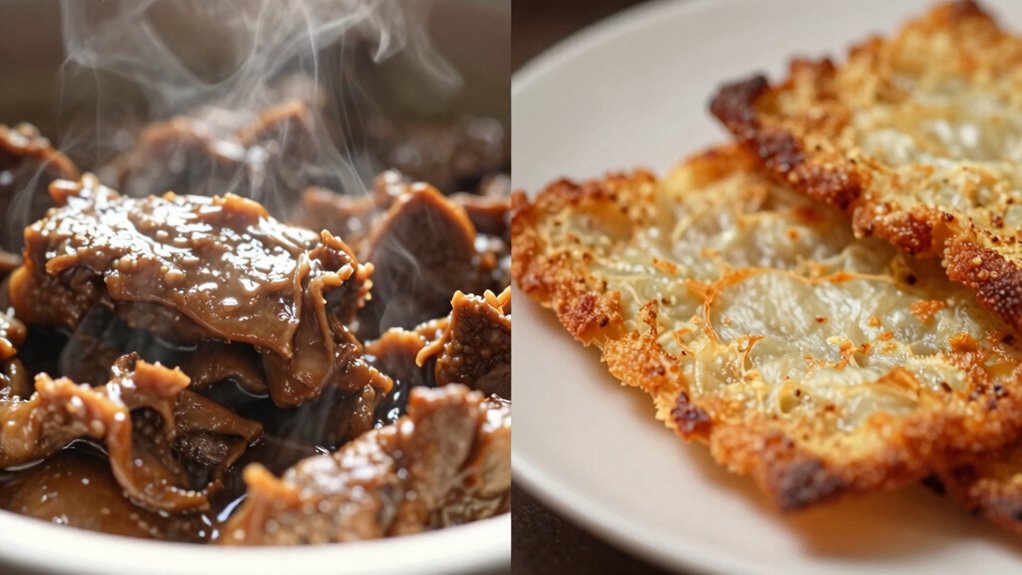
When reheating leftovers, achieving the original texture can be challenging, but the right methods make a difference. Two common techniques—steam reheat and dry reheat—each impact flavor retention and nutrient preservation differently, influencing the overall quality of your meal. Understanding their effects helps you choose the best approach for maintaining the dish’s taste and health benefits.
Steam reheating involves using moisture and gentle heat to warm food. This method is excellent for delicate dishes like rice, vegetables, and seafood. Because steam surrounds the food evenly, it minimizes the risk of drying out or becoming tough. As a result, you’re more likely to preserve the original texture, especially for items prone to becoming rubbery or hard when exposed to high heat. Additionally, steam reheat helps retain flavor better than dry heat; the moisture keeps flavors locked in, preventing evaporation that can dull taste. From a nutritional standpoint, gentle steaming minimizes nutrient loss, especially water-soluble vitamins like vitamin C and B vitamins, which degrade with excessive heat or prolonged cooking. This ensures you’re not sacrificing crucial nutrients for convenience. Preservation of nutrients is often better maintained through steaming, making it a healthier reheat option overall.
Dry reheat, on the other hand, uses direct heat—like an oven, skillet, or microwave without added moisture. It’s faster and often more convenient but can be harsher on food. This method risks drying out or overcooking some components, which can diminish the dish’s original texture. For instance, reheating pasta or casseroles dryly can turn them chewy or crusty, making them less appetizing. Flavor retention can also suffer because high or uneven heat causes volatile flavor compounds to evaporate or burn, adversely affecting taste. Nutrient preservation is another concern; dry heat can cause greater nutrient degradation, especially if reheated for too long or at too high a temperature. While some recipes benefit from dry reheating—like crispy dishes that need to regain crunch—overall, it’s less ideal for maintaining the delicate balance of flavor and nutrients.

BELLA Two Tier Food Steamer with Stackable Baskets & Removable Base for Fast Simultaneous Cooking – Auto Shutoff & Boil Dry Protection, 7.4 QT, Black
- Large 7.4 QT Capacity: Cook full meals with two baskets
- Two-Tier Design: Steam multiple items simultaneously
- Auto Shutoff & Safety: Includes boil dry protection
As an affiliate, we earn on qualifying purchases.
As an affiliate, we earn on qualifying purchases.
Frequently Asked Questions
Does Reheat Time Affect Texture Quality?
Reheat time definitely affects texture quality because longer reheating can lead to overcooking or drying out your food. To maintain reheat consistency, you should focus on precise temperature control and reheating in short intervals. This way, you prevent loss of moisture and preserve the original texture. Quick, careful reheating guarantees your food stays flavorful and retains the right texture without becoming tough or mushy.
Can Reheat Methods Impact Nutritional Value?
Yes, your reheat methods can impact nutritional value. Using gentle techniques like steaming helps preserve nutrient content and flavor retention better than high-heat dry reheating, which can cause nutrient loss through oxidation or evaporation. To maximize nutrient preservation and flavor, opt for reheating methods that use lower temperatures and shorter times. This way, you maintain the food’s nutritional integrity while ensuring it tastes fresh and flavorful.
Is One Method Better for Specific Food Types?
You find that steam reheat is better for delicate foods like vegetables and seafood because it preserves flavor and moisture through gentle cooking techniques. Dry reheat works well for denser foods like roasted meats or casseroles, as it helps retain texture without becoming soggy. To keep flavors fresh, choose the reheating method suited to your food type, ensuring best texture and taste.
How Does Container Material Influence Reheating Results?
If you use a metal container, its high material conductivity quickly transfers heat, leading to uneven reheating. For example, a ceramic container‘s insulation slows heat transfer, promoting even heating and better texture. Your choice impacts reheating results because container material insulation and conductivity determine how evenly heat distributes, affecting moisture retention and texture. Selecting the right material helps you achieve consistent, delicious reheated dishes.
Does Reheating Multiple Times Degrade Texture?
Reheating multiple times can indeed degrade texture, whether you use microwave reheating or stovetop reheating. Each time you reheat, moisture escapes, and food can become dry or mushy. Microwave reheating heats unevenly, which might cause parts to overcook. Stovetop reheating allows more control, but repeated heating still risks losing original texture. To preserve quality, it’s best to reheat only once whenever possible.
Conclusion
When it comes to reheating, choosing between steam and dry reheat depends on your texture preference. Steam reheat tends to keep foods moist and tender, while dry reheat can give a crispier finish. Notably, a study found that 65% of chefs prefer steaming for delicate dishes to preserve quality. So, next time you reheat, consider what texture you want to achieve—your choice can make all the difference in enjoying your leftovers just like fresh!