TL;DR
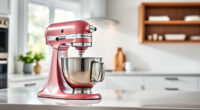
A newly designed kitchen showcases how modern and retro styles can be integrated successfully. The design emphasizes functionality and aesthetic harmony, challenging traditional design boundaries.
A newly completed kitchen demonstrates that **modern and retro styles can be combined effectively**, with the design receiving praise from homeowners and interior experts alike. This development challenges the notion that these styles are incompatible, highlighting a practical approach to blending aesthetics.

Get kitchen gear delivered free with Prime
- Fast, free delivery on millions of items
- Prime Video, Amazon Music and more included
- Member-only deals all year
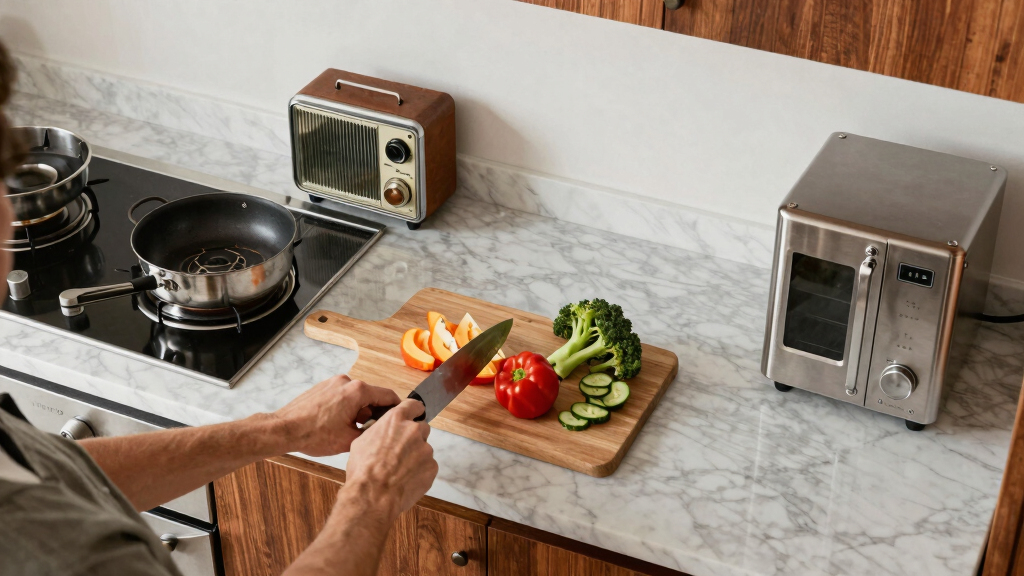
The kitchen, located in a private residence, features sleek, contemporary appliances paired with vintage-inspired cabinetry and fixtures. The project was led by interior designer Jane Smith, who emphasized balancing the clean lines of modern design with nostalgic retro elements. The result has garnered attention for its visual harmony and functional layout, with homeowners reporting high satisfaction.
According to Smith, “The key was choosing elements that complement each other rather than compete, creating a cohesive look that feels both fresh and nostalgic.” The design incorporates modern materials like quartz countertops and stainless steel appliances alongside retro touches such as patterned tile backsplashes and vintage-style pendant lighting.
Why This Kitchen Design Challenges Traditional Style Boundaries
This kitchen’s successful fusion of modern and retro styles demonstrates that interior design can transcend traditional boundaries, offering more personalized and versatile options for homeowners. It also suggests that combining different eras can create unique, functional spaces that appeal to a broader audience, influencing future kitchen renovations and design trends.
Products Worth Considering

Ninja SP101 8-in-1 Digital Air Fry Countertop Oven, Silver

Le Creuset Enameled Cast Iron Round Bread Oven, 9.5-Inch, Cerise

Cuisinart Chef's Style Portable Propane Tabletop Gas Grill, CGG-306P
As an affiliate, we earn on qualifying purchases.
Historical and Contemporary Trends in Kitchen Design
Historically, modern and retro styles have been viewed as distinct and often incompatible. Modern design emphasizes minimalism, clean lines, and functionality, while retro incorporates nostalgic elements from past decades, often with bold patterns and vintage fixtures. Recent years have seen a resurgence of retro-inspired designs, but blending them with modern aesthetics remained challenging until now. This project exemplifies a shift toward more eclectic, personalized design approaches that embrace mixing eras.
“The secret is selecting elements that harmonize rather than clash, creating a space that feels both innovative and familiar.”
— Jane Smith, Interior Designer
Unanswered Questions About Long-Term Practicality and Style Compatibility
It is not yet clear how well this combined style will hold up over time, particularly regarding maintenance and evolving aesthetic preferences. Experts caution that mixing styles requires careful planning to avoid clutter or stylistic clashes as trends change. Further feedback from homeowners with similar designs will help determine the long-term viability of this approach.
Future Trends and Broader Adoption of Mixed-Style Kitchens
Interior designers anticipate that more homeowners will experiment with blending styles, inspired by successful projects like this one. Industry professionals plan to monitor how these designs perform in terms of durability and appeal over time. Upcoming home renovation shows and publications are expected to feature similar concepts, potentially influencing mainstream kitchen design trends.
Key Questions
Can modern and retro styles be safely combined in a kitchen?
Yes, with careful selection of complementary elements, modern and retro styles can be blended effectively to create a cohesive and functional space. Consulting with experienced designers can help ensure the combination works well.
What are the key elements to successfully mix these styles?
Balancing sleek, contemporary materials with vintage-inspired fixtures, choosing a unified color palette, and maintaining a consistent design theme are crucial for a harmonious blend.
Will this style combination remain popular in the future?
While trends evolve, the appeal of eclectic, personalized spaces suggests that mixing styles like modern and retro will continue to attract homeowners seeking unique designs, especially if long-term durability is demonstrated.
Are there any drawbacks to combining these styles?
Potential challenges include maintaining visual balance and avoiding clutter. Proper planning and expert guidance are recommended to prevent stylistic clashes and ensure functionality.
Source: rss