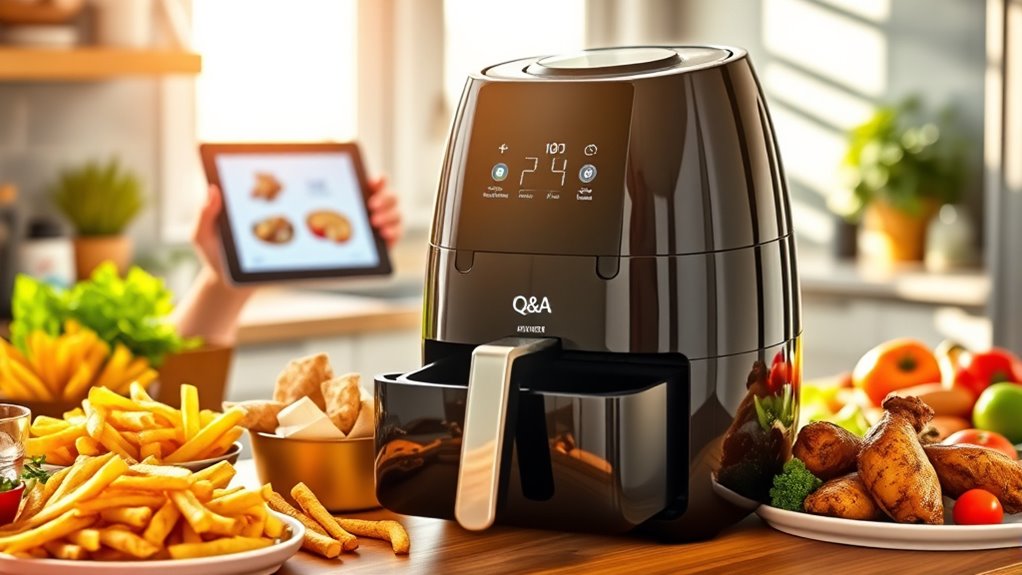

If you’re curious about choosing, using, and maintaining your air fryer, you’ll find answers to common questions like selecting the right model, the best way to use oil, and baking tips. You’ll also learn how to handle odors, safety with glassware, and energy use. Plus, get easy starter recipes and tips on foil use. Keep exploring and you’ll discover everything you need to maximize your air fryer’s potential for healthier, faster meals.
Key Takeaways
- Provides guidance on selecting the right air fryer based on capacity, features, size, and budget.
- Explains proper oil use, application tips, and safety considerations for healthier cooking results.
- Details air fryer baking capabilities, accessories, and techniques for versatile homemade baked goods.
- Offers solutions for odor management, safe glassware use, and understanding energy efficiency benefits.
- Shares beginner recipes, tips on foil use, and explains how air fryers deliver quicker, healthier, and consistent cooking.
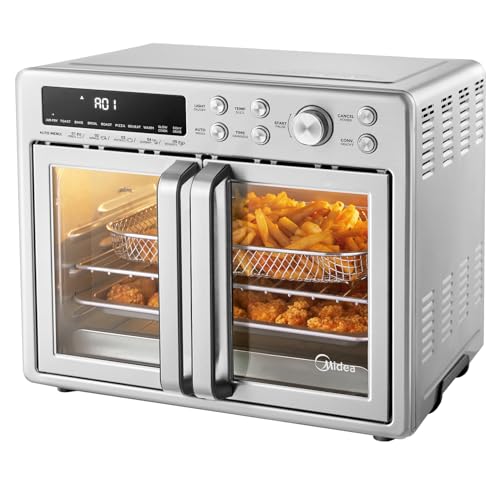
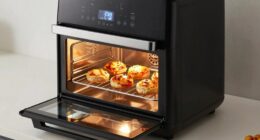
Midea Flexify French Door Toaster Oven Air Fryer Combo, 26.4 QT, Extra Large Air Fryer Countertop Oven 10-in-1 Combo, 25% Faster Cooking and 90% Less Oil, Stainless Steel
Cyclone Air Fryer: Enjoy 25% faster cooking and 90% less oil compared to traditional fryers, . This all-in-one...
As an affiliate, we earn on qualifying purchases.
Which Air Fryer Should I Buy?
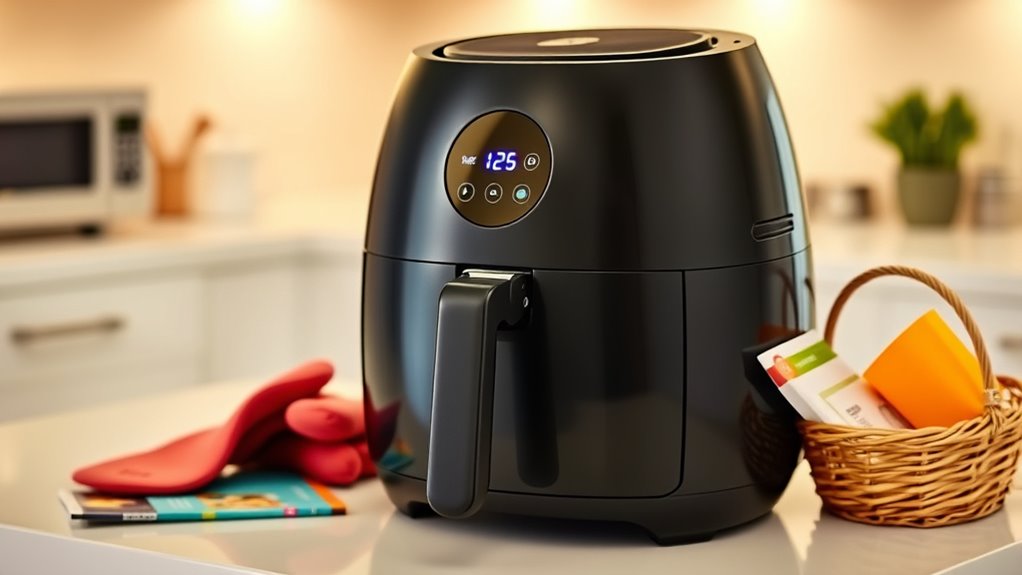
Choosing the right air fryer depends on your household’s needs and preferences. First, consider the capacity: a 2-quart model suits 1-2 people, while a 4-6 quart air fryer works well for 2-4. For bigger families or entertaining, opt for models over 9 quarts. Think about functions—basket-style models are simple, but toaster oven-style air fryers offer more versatility. Look for user-friendly controls and presets to make cooking easier, plus easy-to-clean features for convenience. Size and available countertop space matter, and price varies from $50 to $350—mid-range models often provide the best balance of performance and value. Prioritize performance features like even crisping, accurate temperature control, and quiet operation to find the best model for your needs. Additionally, paying attention to air circulation technology can ensure more consistent and efficient cooking results. Remember that airflow design plays a crucial role in achieving optimal cooking outcomes, and some models incorporate noise reduction features to create a quieter cooking experience.

Ninja Air Fryer, 10QT DoubleStack XL 2-Basket, Compact Design, Cooks 5lb Whole Chicken, Feeds Up to 8 People, 6-in-1 Air Fryer, Roast, Bake & More, Easy to Clean, Dishwasher Safe Parts, Grey, SL401
SPACE SAVING DESIGN: Ninja’s stacked design lets you cook double the food in nearly half the space and...
As an affiliate, we earn on qualifying purchases.
Can I Use Oil in the Air Fryer?
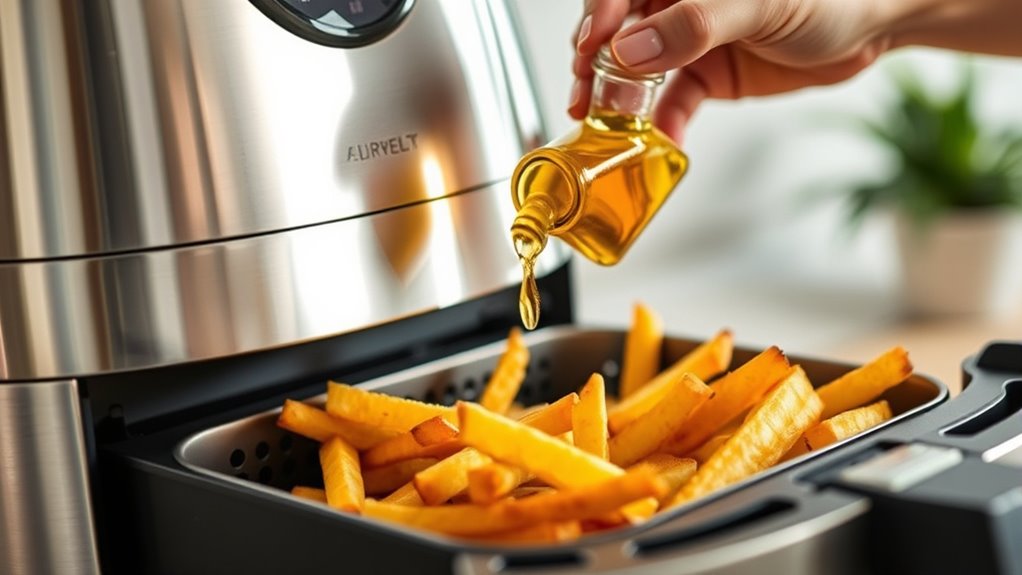
You can definitely use oil in your air fryer to improve texture and browning. Stick to high smoke point oils like avocado or light olive oil, and use a spray or light coating for even coverage. Just be careful not to use too much, as it can cause smoking or damage your appliance. Incorporating best cooking oils can help you choose the most suitable options for your air frying needs. Additionally, understanding industry trends can inform your choices for healthier and more efficient cooking methods. Being aware of technological advancements in air fryer design can also help optimize your cooking experience.
Suitable Oil Types
Can oil be used safely in an air fryer? Absolutely, but choosing the right oil types is key. High smoke point oils like avocado oil, refined olive oil, peanut oil, and canola oil are best, as they withstand high temperatures without burning or smoking excessively. Coconut oil and vegetable oil also work well, but avoid unrefined or extra virgin olive oil, which can smoke above 350°F. Using an oil spray helps you apply a thin, even coat, reducing oil use and promoting healthier cooking. Stick to oils with high smoke points to prevent unpleasant flavors and smoke while ensuring your food crisps up perfectly. Selecting the right oil type makes your air frying safer, healthier, and more delicious. Additionally, understanding smoke point is important for choosing oils that won’t smoke during high-temperature cooking. Being aware of energy consumption in your kitchen can also help optimize your cooking methods and reduce utility costs. Using the proper oil also contributes to food safety by minimizing the production of harmful compounds that can occur when oils smoke. It’s also beneficial to consider the nutritional content of different oils to support a healthier diet. Moreover, selecting oils with stability at high heat helps maintain flavor integrity and prevents oxidation during cooking.
Proper Oil Application Methods
Applying oil in an air fryer is best done with a light spray or a thin brush coat, as this promotes crispiness without causing smoke or damaging the appliance. Use a spray oil or cooking spray to guarantee even coating across the food and the air fryer basket. A misting technique helps you control oil application, preventing excess and mess. High-smoke-point oils like avocado, light olive, or vegetable oil are ideal for oil distribution at higher temperatures without smoking. Lightly coating foods before cooking enhances browning, crispy results, and prevents sticking. Avoid pouring large amounts of oil directly into the basket, as this can lead to uneven cooking and smoking. proper oil application methods can also help reduce excess smoke and prolong the life of your air fryer. Being mindful of oil quantity ensures safe and effective cooking while maintaining the appliance’s condition. Additionally, choosing the right type of cooking oil can further improve results and reduce potential hazards. Using the appropriate oil application techniques can optimize your cooking process and extend the longevity of your air fryer.
Oil Usage Tips
Using oil in an air fryer is perfectly fine when done correctly. A light spray of high-smoke-point oils like avocado, light olive, or vegetable oil helps enhance crispiness and browning without causing smoking. Before cooking, toss or spray your food with a small amount of oil—usually a teaspoon or less—to improve texture and achieve that golden, crunchy exterior. Be cautious not to over-apply, as too much oil can lead to smoking and uneven cooking at high temperatures. Oils like extra virgin olive oil may smoke if heated too hot, so use them at lower temperatures or sparingly. You can also add oil during or after cooking to finish dishes, ensuring the perfect balance of flavor and texture. Proper oil application techniques can help maximize the benefits of air frying while minimizing drawbacks like smoke or uneven cooking. Incorporating oil types suited for high-temperature cooking will further improve results and reduce the risk of smoking or burning. Additionally, understanding air fryer safety guidelines can help prevent issues related to excess oil use or overheating. Using a quality spray bottle can help control oil distribution for more even coverage. To achieve optimal results, consider preheating the air fryer to ensure even cooking and better oil adhesion.

Ninja DZ201 Foodi 6-in-1 2-Basket Air Fryer with DualZone Technology, 8-Quart Capacity, and a Dark Grey Stainless Finish (Dark Grey Stainless) (Renewed)
The First Air Fryer With 2 Independent Baskets That Lets You Cook 2 Foods, 2 Ways, At The...
As an affiliate, we earn on qualifying purchases.
Can You Bake in the Air Fryer?
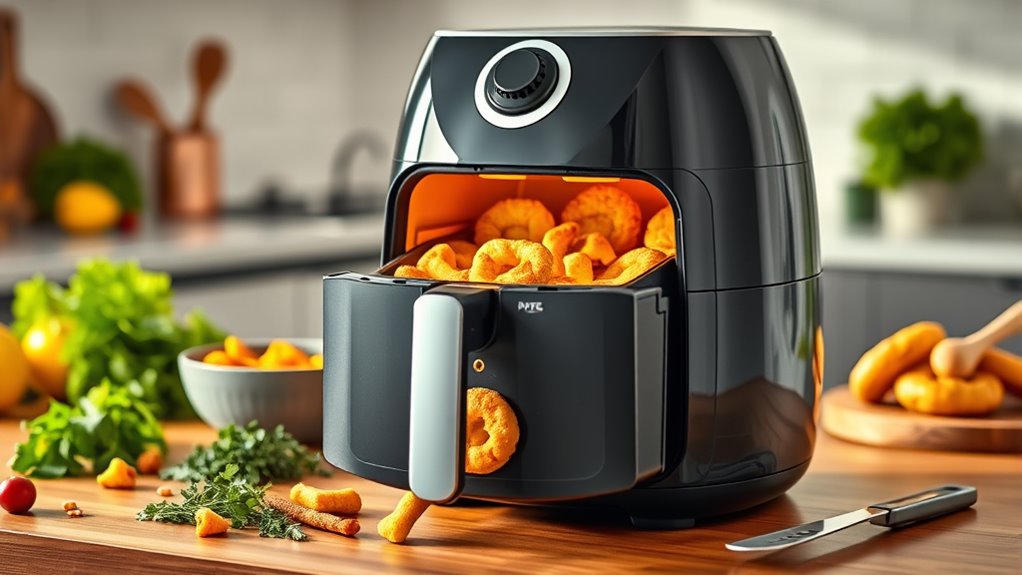
Yes, you can bake in an air fryer, and many models even have dedicated bake functions or adjustable temperature controls. It’s great for making cakes, cookies, or bread quickly, especially if you use the right pans or molds. Vetted – Mad Tasting offers some excellent tips for achieving perfect results. Incorporating baking techniques tailored for air fryers can help you get the best texture and rise. What recipes have you tried, or are you excited to experiment with baking in your air fryer?
Baking Capabilities Overview
Many air fryers are capable of baking a variety of treats like cookies, bread, and small cakes, especially when equipped with specialized settings or accessories. The baking functions in these appliances allow you to create baked goods with a level of baking versatility similar to traditional ovens. Preheating is usually necessary, and adjusting baking time and temperature helps achieve ideal baking results—often 20-30% faster than in a conventional oven. Using oven-safe pans, silicone molds, or parchment paper inside the air fryer enhances your baking options and prevents sticking. Larger-capacity models and dedicated baking accessories provide more even and consistent baked goods. Additionally, understanding baking techniques such as proper placement and temperature adjustment can improve your results. Overall, your air fryer can serve as a convenient, efficient tool for a wide range of baking projects.
Best Recipes to Try
Wondering what delicious baked goods you can make in your air fryer? The answer is plenty! Air fryer recipes include classic baked goods like cookies, cakes, bread rolls, muffins, and cupcakes, often with dedicated baking settings or simple adjustments. Baking in air fryer is a quick baking method, reducing overall cooking time by 20-30%, making it a perfect oven alternative for busy days. Use air fryer baking tips such as silicone molds or small pans to bake cupcakes or biscuits directly in the basket. Many models also have pre-set programs for baking, ensuring consistent results. With its ability to produce a crisp exterior and moist interior, your air fryer is ideal for quick baking of air fryer desserts, muffins, and more. Additionally, baking techniques can help improve your results and expand your repertoire of treats.

Ninja DZ201 Foodi 8 Quart 6-in-1 DualZone 2-Basket Air Fryer with 2 Independent Frying Baskets, Match Cook & Smart Finish to Roast, Broil, Dehydrate & More for Quick, Easy Meals, Grey
2 INDEPENDENT BASKETS: The original Air Fryer with 2 independent baskets, the XL air fryer lets you cook...
As an affiliate, we earn on qualifying purchases.
Why Does My Air Fryer Smell Like Plastic?
A plastic or chemical smell from your air fryer during initial use is usually normal. This odor comes from residual manufacturing coatings and volatile compounds in plastics heating up. To reduce the smell, run your air fryer empty at high temperature for 10-15 minutes in a well-ventilated area, which helps speed up odor dissipation. The initial use releases these compounds, but they should fade quickly. If the residual smell persists beyond several uses, it might be due to low-quality plastics or manufacturing defects. Check the table below for common causes and solutions:
| Cause | Solution | When to Seek Support |
|---|---|---|
| Manufacturing coatings | Run at high temperature | Persistent odor after multiple uses |
| Low-quality plastics | Contact customer support | Unusual plastic smell |
| Poor ventilation | Improve airflow | Odor remains after ventilation |
Can I Put a Glass Bowl in the Air Fryer?

Using a glass bowl in your air fryer can be safe if you choose the right type. Look for an oven-safe, heat-resistant glass bowl made from borosilicate or tempered glass, as these can withstand high temperatures without cracking. Always check the manufacturer guidelines to confirm it’s rated for oven or high-heat use before placing it in the air fryer. Avoid regular glassware like drinking glasses or decorative glass, as they’re prone to shattering in the hot environment. Make sure the glass bowl fits comfortably inside without touching the heating element or blocking airflow, which can cause uneven cooking or damage. Placing a silicone or heat-resistant mat underneath can help protect both the glassware and your air fryer during cooking.
Do Air Fryers Use a Lot of Energy?
Air fryers typically consume less energy than traditional ovens because they operate at wattages between 800 and 1,700 watts and heat up quickly. Their smaller size and rapid cooking times mean lower energy consumption per use, making them more power-efficient kitchen appliances. The wattage use and cooking duration directly impact energy efficiency; shorter cooking times save more energy. Preheating is faster, reducing overall energy use compared to conventional ovens. Because of these factors, air fryers are considered energy-efficient appliances suitable for quick, everyday cooking. If you’re mindful of energy saving, choosing an air fryer can help cut down on electricity bills while still delivering great results. Overall, they do not use a lot of energy relative to traditional ovens, especially during quick, targeted cooking.
What Is an Easy Thing to Make in My Air Fryer for First-Timers?
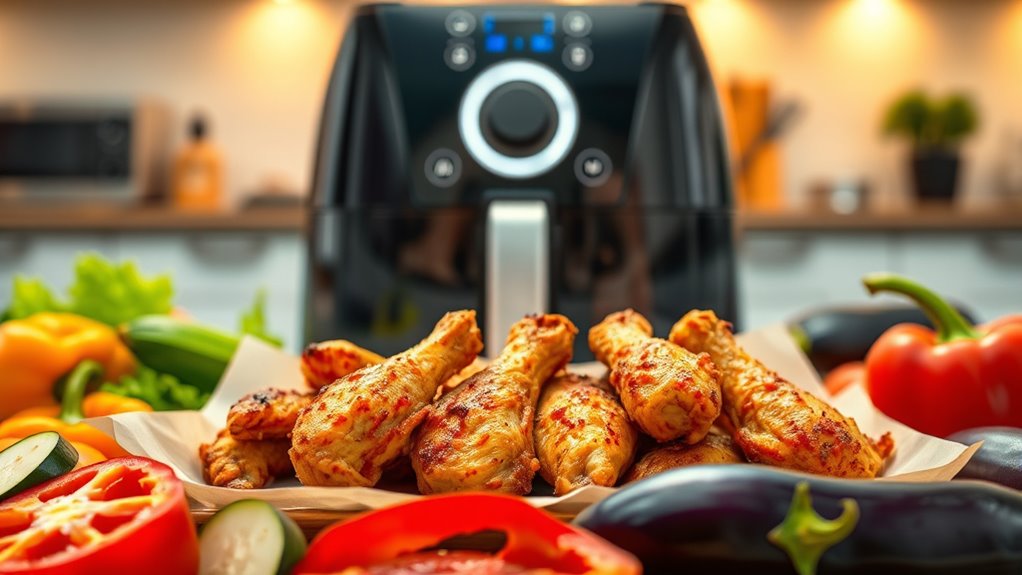
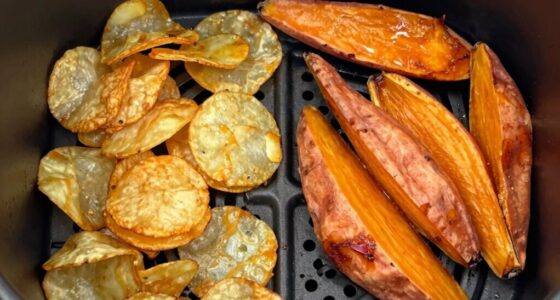
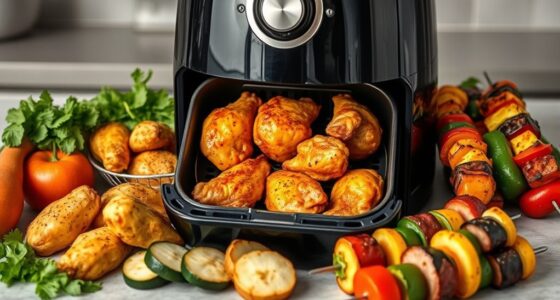
Starting with simple foods like frozen fries or chicken wings is a great way to get comfortable with your air fryer. These items cook quickly and turn out crispy, giving you confidence in your beginner skills. Eggs, such as hard-boiled or mini frittatas, are also easy to prepare with minimal prep, making them perfect for first-timers. Reheating leftovers is quick and straightforward, helping you see how versatile your air fryer can be. Vegetables like zucchini chips or roasted Brussels sprouts are simple to season and cook, providing healthy, easy options. Plus, snacks like mozzarella sticks or potato slices can be ready in under 15 minutes, offering quick rewards and building your confidence as you learn to master your new appliance.
Are Air Fryers Better to Cook Food In?
While air fryers have become popular kitchen appliances, many wonder if they’re truly better for cooking food. The answer is yes, especially for achieving crispiness with less oil, making your meals healthier. Air fryers heat quickly and use circulating hot air to cook food evenly, reducing hot or cold spots. This results in consistent browning and better texture. With precise temperature control and multiple preset functions, they’re versatile enough to cook a wide range of foods efficiently. Plus, cooking times are shorter—often 20-30% less than conventional methods—saving you time. They also produce less smell and splatter, creating a cleaner kitchen experience. Overall, air fryers are a convenient, effective kitchen appliance for quick, healthy, and evenly cooked food.
Can I Put Aluminum Foil in the Air Fryer?
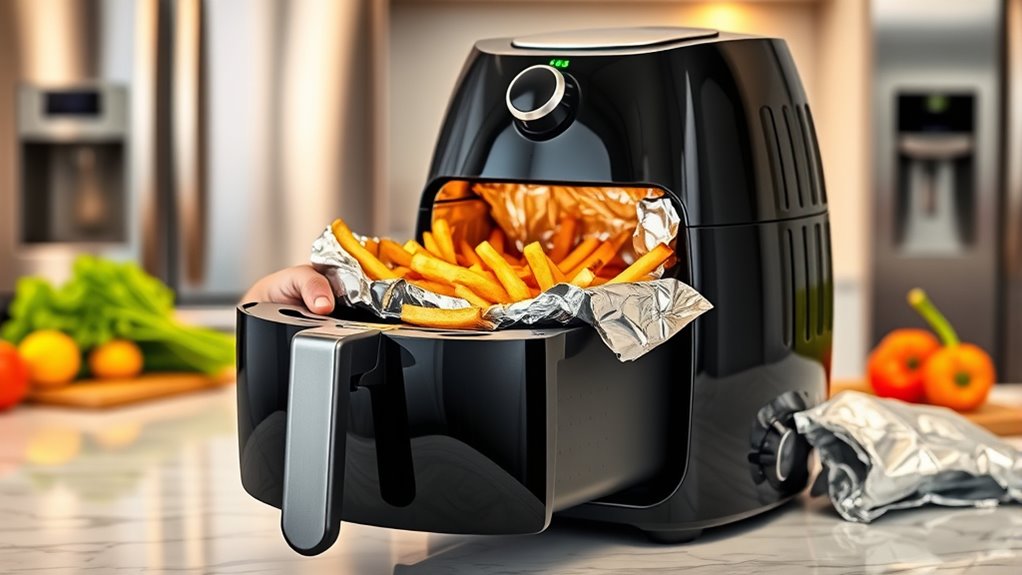
You can use aluminum foil in your air fryer to simplify cleanup and catch drips, but it’s important to do so carefully. When cooking with aluminum foil, make certain it doesn’t block heat circulation around the tray or basket, which could lead to uneven cooking or overheating. Poking holes in the foil allows hot air to circulate evenly, preventing burning or overcooking. Always check your air fryer’s manufacturer instructions, as some models advise against foil use to protect the fan or heating element. Avoid covering the entire tray or basket, as this traps heat and may cause the appliance to malfunction. Proper use of aluminum foil improves cleaning and safety, but using it sparingly and correctly is key to maintaining your air fryer’s performance.
Frequently Asked Questions
Why Are People Getting Rid of Air Fryers?
You might be wondering why people are ditching their air fryers. They often face issues like malfunctioning, tough cleaning, or not getting the crispy results they want. Some find they take up too much counter space or prefer multi-functional appliances. Concerns about fumes, inconsistent cooking, and loud noise also drive users to upgrade or switch to better, newer models. Ultimately, dissatisfaction with performance motivates many to get rid of their air fryers.
What Cannot Be Cooked in an Airfryer?
You can’t cook foods with wet batters like tempura or funnel cakes in your air fryer, as they drip and cause smoke or fires. Large, dense, or whole items, such as whole chickens or big roasts, might not fit or cook evenly. Soft foods like scrambled eggs or liquid-based dishes like soups shouldn’t go in either, since they can leak or damage the appliance. Avoid submerged frying or anything that relies on deep oil immersion.
What Is the Downside of an Airfryer?
Ever wonder if an air fryer is truly worth it? The downside is, you might face strong odors and plastic smells during initial use, which can be off-putting. Uneven cooking, loud noise, and limited capacity could leave you frustrated, especially for big meals. Cheaper models may degrade quickly or emit fumes. While convenient, these issues make it essential to weigh whether an air fryer fits your needs and lifestyle.
Can You Put Tin Foil in an Air Fryer?
You can put tin foil in an air fryer, but you need to be careful. Always poke holes or use perforated parchment paper to guarantee hot air circulates properly. Never cover the entire basket, as it blocks airflow and causes uneven cooking. Check your air fryer manual because some brands advise against foil to avoid damage or safety risks. Follow safety guidelines to prevent fires or appliance damage.
Conclusion
Exploring the world of air fryers is like venturing into a modern-day Pandora’s box—full of potential and surprises. Armed with these answers, you’re equipped to master your kitchen adventures, turning everyday ingredients into culinary treasures. Remember, as with Icarus reaching for the sun, approach your new appliance with curiosity and care, and you’ll soar to new heights of deliciousness. Embrace the journey, and let your kitchen become the mythic arena of your culinary legend.