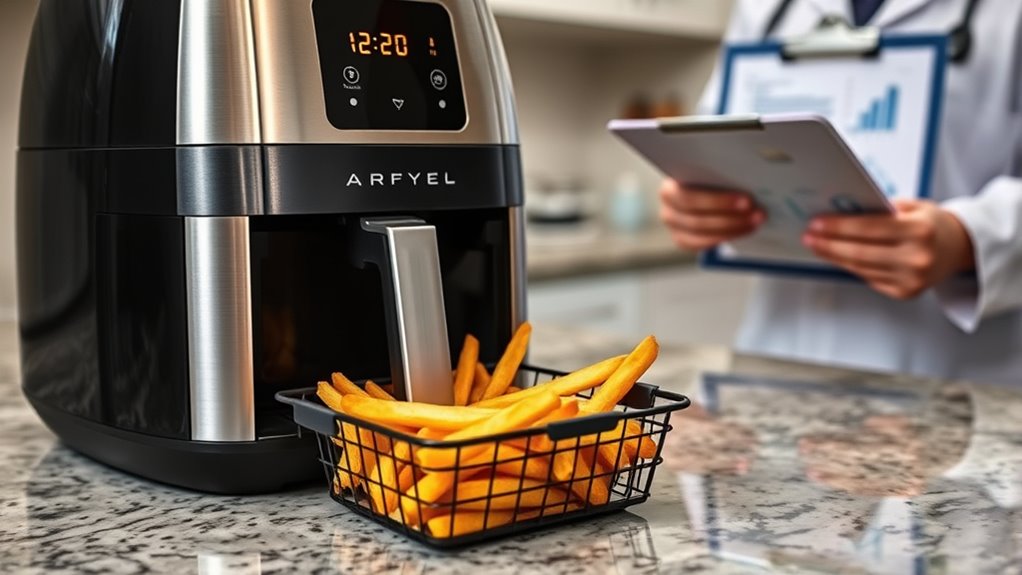

Air fryers can help reduce acrylamide formation because they cook food faster with better temperature control, which lowers the risks associated with high-heat cooking. Using lower temperatures and shorter cook times minimizes harmful chemical development, especially compared to traditional deep frying. Proper techniques and ingredient choices further improve safety. If you want to learn more about how air frying impacts food chemistry and tips for healthier crispy foods, keep exploring the details.
Key Takeaways
- Air frying reduces acrylamide formation by shortening cooking time and controlling temperature compared to traditional frying.
- Proper temperature management and shorter cooking durations help minimize harmful chemical compounds in air-fried foods.
- The Maillard reaction at high heat in starchy foods increases acrylamide risk, but air fryers’ efficiency helps limit this.
- Using lower temperatures, marinating, and choosing lower-starch ingredients can further reduce acrylamide levels.
- Advances in food safety research focus on developing techniques and standards to lower acrylamide formation during air frying.

Emeril Lagasse Extra Large French Door Air Fryer Toaster Oven Combo, 24 Cooking Functions and Digital Controls, 7 Accessories Included, Stainless Steel Finish, 26QT Capacity
A VERSATILE AIR FRYER AND MULTI-COOKER COMBO: Elevates practically any meal, from air frying quick after-school snacks to...
As an affiliate, we earn on qualifying purchases.
Understanding Acrylamide Formation in Cooked Foods
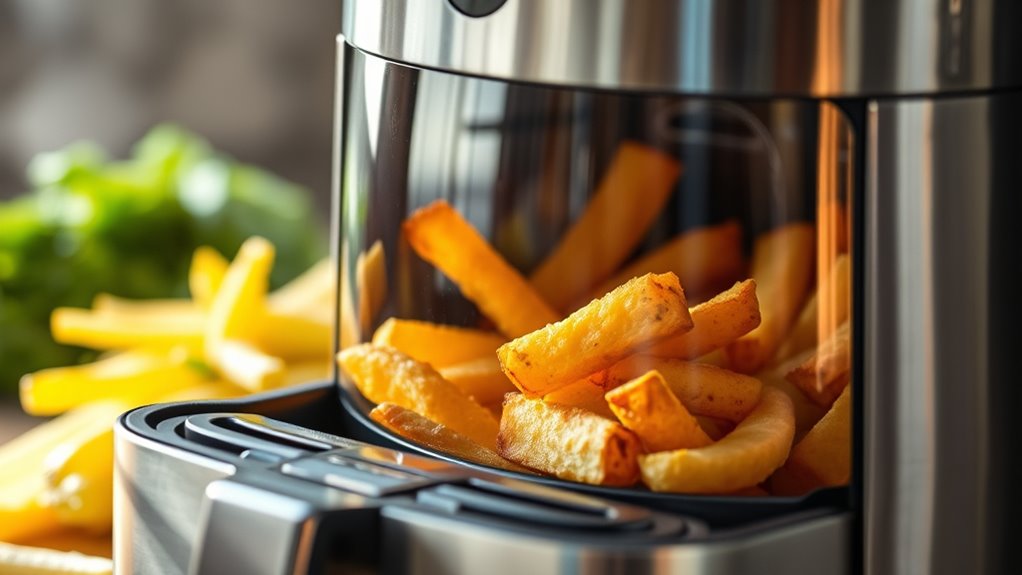
Acrylamide forms in foods primarily through a chemical reaction called the Maillard reaction, which occurs when you cook starchy foods at high temperatures. This reaction involves amino acids and sugars, creating new compounds responsible for browning and complex flavors. As the Maillard reaction progresses, you’ll notice cooking odors that signal this process—sweet, roasted, and sometimes pungent smells. These odors are evidence of chemical reactions taking place, transforming raw ingredients into flavorful dishes. However, these same reactions can lead to the formation of acrylamide, especially in foods like potatoes and bread when heated excessively. Understanding how chemical reactions influence both flavors and potential health risks helps you make better choices during cooking. Understanding acrylamide formation is crucial for minimizing health risks while enjoying cooked foods.

Nuwave Bravo XL Pro Air Fryer Toaster Oven with Grill Combo, 2025 New Ultra-Fast Convection System, 35% Crispier, 2X More Even, 142 Presets, 50-500F, Smarter Probe, PFAS Free, 30QT, Stainless Steel
142 EASY-COOK PRESETS: The Bravo toaster oven countertop is equipped with 12 versatile cooking functions including air fry,...
As an affiliate, we earn on qualifying purchases.
How Air Fryers Influence Food Temperature and Cooking Time
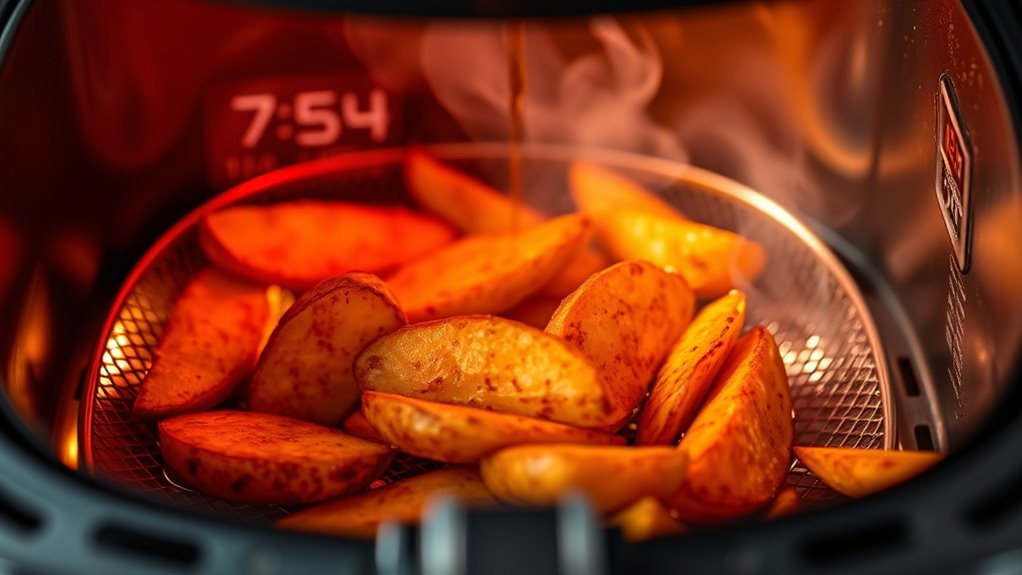
Air fryers heat food quickly due to their rapid heating mechanisms, which cut down cooking time considerably. You’ll notice they keep a more consistent temperature, reducing the risk of uneven cooking. This precise control helps you cook food efficiently while potentially affecting acrylamide formation.
Rapid Heating Mechanisms
Because of their powerful heating elements and rapid air circulation, air fryers can quickly raise the temperature of food, substantially reducing cooking times. This rapid heating means you need to follow safety protocols to prevent burns or accidents. Proper appliance maintenance guarantees consistent performance and minimizes risks. The swift heat transfer also influences how evenly food cooks, making it essential to monitor progress. Here’s a breakdown of how the mechanism works:
| Heating Element Type | Air Circulation Speed | Temperature Rise Rate |
|---|---|---|
| Resistive Heating | Fast | Rapid |
| Convection Fans | Very Fast | Very Rapid |
| Temperature Sensors | Precise Control | Consistent |
Understanding these factors helps you cook efficiently and safely. High refresh rates in air fryers enhance cooking efficiency by allowing rapid temperature adjustments, ensuring your food is cooked evenly and promptly.
Reduced Cooking Duration
Thanks to their powerful heating elements and rapid air circulation, air fryers heat food quickly and evenly. This efficiency reduces overall cooking time, which helps minimize oil absorption, leading to a healthier result. Since food spends less time exposed to high heat, there’s less risk of overcooking or burning, which preserves the food’s natural texture. The shorter cooking duration also means you can achieve crispy exteriors without sacrificing moisture inside. This quick process helps maintain the food’s original quality, making it appealing and satisfying. By reducing the time needed to cook, air fryers not only save you time but also help control the formation of potentially harmful compounds like acrylamide, which can form during longer cooking periods. Regular use of projector’s built-in timer can further assist in monitoring and optimizing cooking times for different foods, ensuring safety and quality.
Consistent Temperature Control
Consistent temperature control is a key advantage of air fryers, as their precise heating elements maintain steady heat levels throughout the cooking process. This temperature stability ensures your food cooks evenly, reducing the risk of overcooking or undercooking. When the temperature stays steady, moisture retention improves, keeping foods juicier and more flavorful. Unlike traditional methods that may fluctuate, air fryers provide reliable heat, which helps you avoid the formation of harmful compounds like acrylamide that can develop at higher, inconsistent temperatures. By maintaining a stable temperature, you also minimize the chance of burning or uneven browning, leading to healthier, better-textured meals. Overall, consistent temperature control helps you achieve ideal results while supporting safer cooking practices.
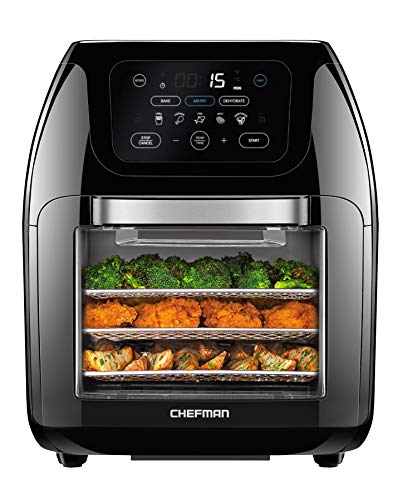
CHEFMAN Multifunctional Digital Air Fryer+ Rotisserie, Dehydrator, Convection Oven, 17 Touch Screen Presets Fry, Roast, Dehydrate, Bake, XL 10L Family Size, Auto Shutoff, Large Easy-View Window, Black
Versatile countertop cooking: Air fry, bake, dehydrate, rotisserie, or roast to crispy perfection in one convenient appliance
As an affiliate, we earn on qualifying purchases.
Comparing Acrylamide Levels in Air-Fried vs. Traditionally Fried Foods
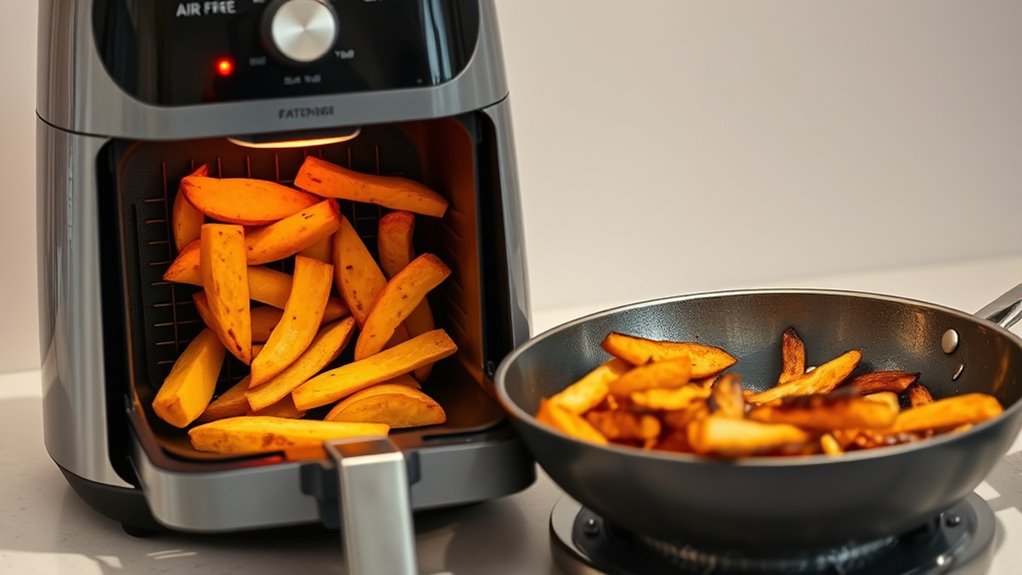
You might notice that acrylamide levels differ between air-fried and traditionally fried foods. These differences mainly come down to how each method affects cooking time and temperature. Understanding these factors can help you make healthier choices when frying your favorite snacks.
Acrylamide Formation Differences
When comparing acrylamide levels in air-fried and traditionally fried foods, it becomes clear that cooking methods substantially influence formation. Air frying typically produces lower acrylamide levels because it uses hot air circulation rather than large amounts of oil, which can promote oil absorption and affect chemical reactions. Traditional frying often involves higher oil absorption, leading to more browning and flavor enhancement, but also increases the risk of acrylamide formation. Since acrylamide forms during high-temperature cooking, the difference in oil use and surface browning can markedly impact levels. Air fryers tend to cook foods more evenly at slightly lower temperatures, reducing acrylamide formation compared to deep frying, which exposes foods to intense heat and more oil contact.
Impact of Cooking Time
Cooking time plays a essential role in determining acrylamide levels, as longer exposure to high heat generally increases its formation. When you cook foods for extended periods, whether in an air fryer or traditional fryer, acrylamide levels tend to rise. Seasoning effects can also influence formation; certain marinades or coatings may either inhibit or promote acrylamide development during cooking. Oil variations matter too—using oils with different smoke points can impact heat transfer and acrylamide creation. Air frying often requires shorter cooking times compared to traditional frying, which can reduce acrylamide formation if managed properly. Ultimately, controlling cooking time is fundamental for lowering acrylamide levels, regardless of the method, and paying attention to seasoning and oil choices can further minimize risks.
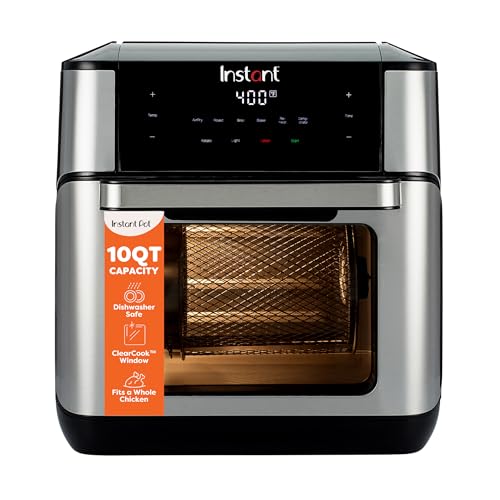
Instant Pot 10QT Air Fryer, 7-in-1 Functions with EvenCrisp Technology that Crisps, Broils, Bakes, Roasts, Dehydrates, Reheats & Rotisseries, Includes over 100 In-App Recipes, Stainless Steel
7 Cooking Functions: Air fry, roast, broil, bake, reheat, dehydrate, and rotisserie all in one easy appliance with...
As an affiliate, we earn on qualifying purchases.
Key Ingredients and Their Impact on Acrylamide Development
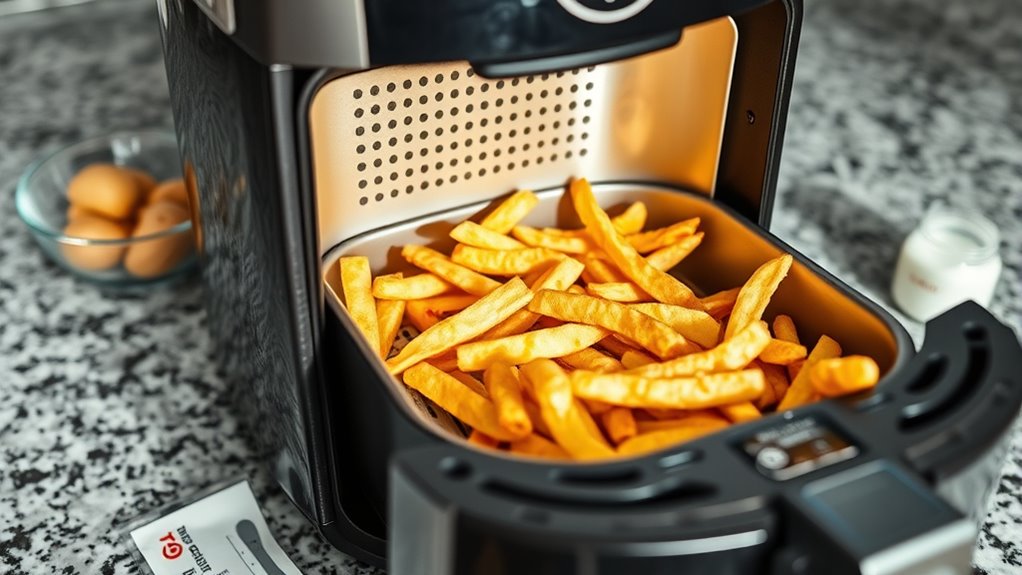
Certain key ingredients profoundly influence acrylamide formation during air-fryer cooking. The types of foods and their components can either increase or reduce acrylamide levels. For example, foods high in carbohydrates, such as potatoes and bread, tend to develop more acrylamide when cooked at high temperatures. Spice combinations not only enhance flavor but can also affect chemical reactions related to acrylamide formation. Additionally, food presentation influences cooking methods; attractive plating may encourage shorter cooking times, reducing acrylamide risk. Keep in mind:
- Using spices with antioxidant properties can lower acrylamide formation.
- Selecting ingredients with lower sugar content minimizes acrylamide risk.
- Thoughtful food presentation encourages mindful cooking durations, decreasing chemical risks.
- Incorporating natural materials like wood or linen in food preparation areas can promote a more mindful cooking environment, potentially influencing cooking habits and outcomes.
Current Scientific Studies on Air Frying and Chemical Risks

Recent scientific studies have provided valuable insights into the chemical risks associated with air frying, particularly concerning acrylamide formation. While some air fryer myths suggest it’s completely safe and risk-free, research shows there’s still potential for harmful compounds to develop, especially if cooking at high temperatures or for extended periods. These studies emphasize the importance of understanding kitchen safety and proper cooking techniques to minimize chemical risks. It’s essential to recognize that air frying isn’t inherently dangerous, but misuse or misconceptions can lead to increased acrylamide levels. Staying informed through current research helps you make safer choices, dispelling myths and ensuring you enjoy healthier, safer air-fried foods without exposing yourself to unnecessary chemical risks. Additionally, proper temperature control plays a crucial role in reducing the formation of acrylamide during cooking.
Tips for Reducing Acrylamide Exposure When Using an Air Fryer

To reduce acrylamide exposure when using your air fryer, it’s important to control cooking temperature and time. Many air fryer myths suggest that longer cooking always improves flavor, but overcooking increases acrylamide formation. To promote cooking safety and minimize risks, consider these tips:
- Use lower temperatures when possible, avoiding high heat settings.
- Cook food for shorter durations, checking for doneness early.
- Choose healthier, less starchy ingredients to reduce acrylamide buildup.
- Being aware of best practices for air fryer use can help you make safer choices and enjoy your food without unnecessary health concerns.
Understanding these practices helps you enjoy your air fryer safely while reducing chemical risks. Remember, myths about air fryer safety can lead to overconfidence or unsafe habits, so always follow recommended guidelines for healthier, safer cooking.
Dietary Guidelines and Recommendations for Safe Cooking Practices
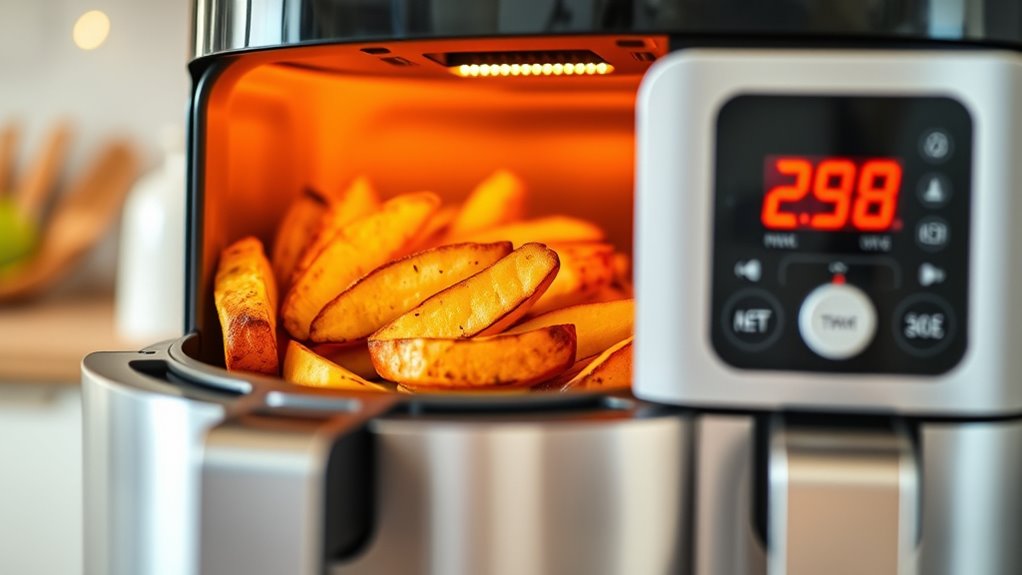
Following established dietary guidelines and safe cooking practices is essential to minimize health risks associated with air-fryer use. To promote food preservation and reduce harmful compounds like acrylamide, avoid overcooking or charring foods. Use recommended temperatures and cooking times to preserve nutrients and flavor enhancement without risking burnt textures. Incorporate a variety of vegetables and lean proteins to balance nutrition and minimize exposure to potentially harmful substances. Keep portions moderate and avoid frequent use of highly processed foods. Regular cleaning of your air fryer prevents residue buildup, supporting safe, hygienic operation. By following these guidelines, you can enjoy the benefits of air frying—such as improved food preservation and flavor—while maintaining a health-conscious approach to your cooking habits.
Future Directions in Research on Cooking Methods and Food Safety
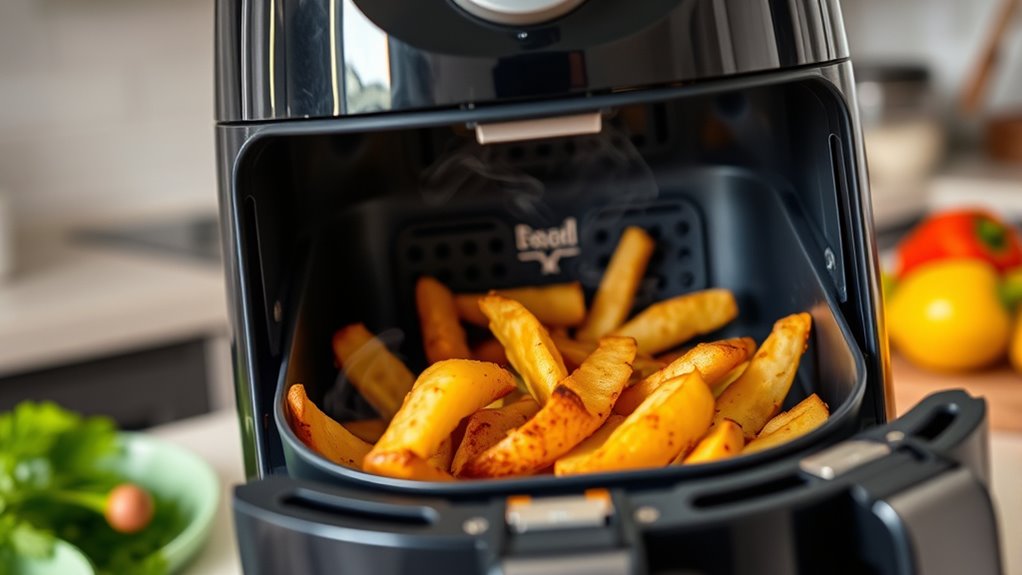
Advances in cooking technology and analytical methods are shaping future research on food safety, particularly regarding how different cooking methods influence harmful compounds like acrylamide. Researchers will continue exploring innovative cooking techniques to minimize formation of toxic substances without sacrificing quality. Future studies may focus on how precise temperature control, cooking duration, and ingredient modifications impact acrylamide levels. Additionally, understanding the interaction between cooking methods and food matrix components can lead to safer practices. These insights will inform the development of more effective food safety policies, encouraging industry adoption of safer techniques. To achieve these goals, efforts should include: – Integrating new cooking technologies into safety standards – Refining analytical tools for better toxin detection – Promoting evidence-based policy updates that prioritize consumer health Somatic therapy may also contribute to a holistic approach to health and safety, emphasizing the importance of understanding the mind-body connection in overall well-being.
Practical Advice for Enjoying Crispy Foods With Minimal Health Risks
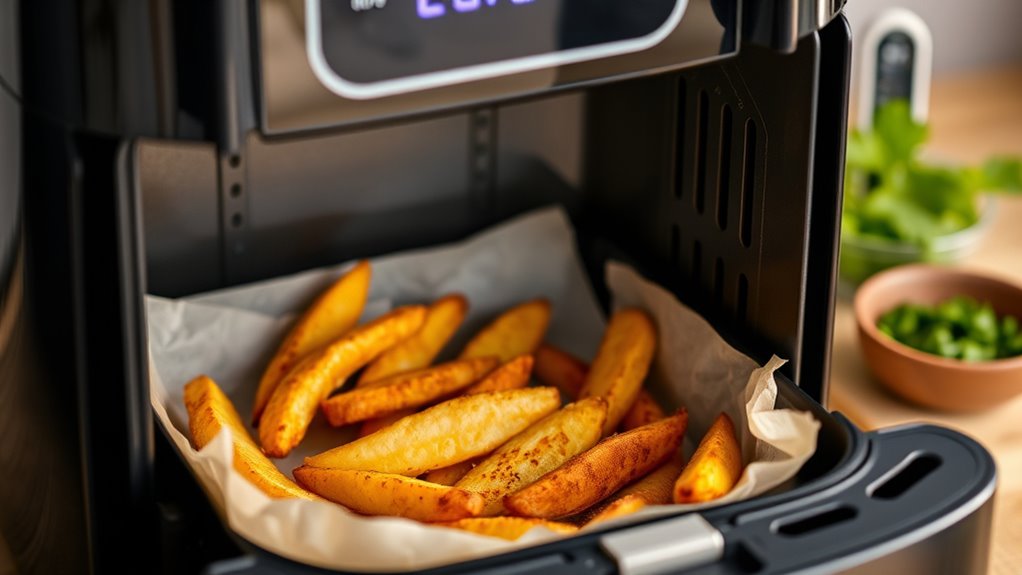
Enjoying crispy foods doesn’t have to come at the expense of your health. To minimize acrylamide formation, try marinating your ingredients beforehand; acidic marinades like lemon or vinegar reduce browning. Use ingredient substitutions such as sweet potatoes instead of regular potatoes, which produce less acrylamide when cooked. Opt for lower temperature cooking and shorter cooking times in your air fryer. You can also experiment with coatings like whole wheat breadcrumbs or crushed oats to achieve crispiness without deep frying. Incorporate the following tips:
| Technique | Benefit | Example |
|---|---|---|
| Marinating techniques | Reduces browning and acrylamide | Lemon juice marinade |
| Ingredient substitutions | Lowers acrylamide risk | Sweet potatoes instead of potatoes |
| Lower temperature | Decreases acrylamide formation | Cook at 350°F (175°C) |
| Shorter cooking time | Minimizes harmful compounds | Check food frequently |
| Alternative coatings | Adds crispiness with less risk | Whole wheat breadcrumbs |
Additionally, understanding the acrylamide formation process can help you make more informed choices when preparing crispy foods.
Frequently Asked Questions
How Does the Type of Oil Used in Air Frying Affect Acrylamide Formation?
The type of oil you use in air frying impacts acrylamide formation through oil stability and flavor retention. Stable oils, like avocado or coconut, resist high temperatures better, reducing acrylamide risks. They also preserve flavor, making your food tastier. On the other hand, less stable oils may break down, increasing acrylamide levels, and can negatively affect flavor. Choosing the right oil helps you cook healthier, tastier meals with fewer health concerns.
Are There Specific Foods That Produce More Acrylamide When Air Fried?
They say “you are what you eat,” and certain foods do produce more acrylamide when air fried. Sweet snacks and processed foods, like potato chips or baked goods, tend to generate higher levels due to their carbohydrate content. When you air fry these, the high heat causes more acrylamide formation. So, if you’re concerned, limit those items or cook them at lower temperatures to reduce your exposure.
Can Adjusting Temperature Settings in an Air Fryer Reduce Acrylamide Levels?
Adjusting temperature control and cooking duration in your air fryer can help reduce acrylamide levels. Lowering the temperature slows browning, which minimizes acrylamide formation. Similarly, shorter cooking times prevent over-browning and limit chemical reactions. By carefully monitoring these factors, you can enjoy crispy foods while reducing health risks. Always aim for a balance between achieving desired texture and keeping acrylamide levels as low as possible.
What Are the Long-Term Health Risks Associated With Consuming Acrylamide?
You’re wondering about the long-term risks and health implications of consuming acrylamide. Regular intake of this chemical may increase your chances of developing certain cancers and nerve damage over time. Although research is ongoing, minimizing acrylamide exposure by choosing cooking methods that produce less of it can help protect your health. Staying informed and making mindful dietary choices are essential to reducing potential long-term health risks associated with acrylamide.
Are There Alternative Cooking Methods That Generate Less Acrylamide Than Air Frying?
Did you know that boiling vegetables reduces acrylamide formation by up to 90%? For alternative cooking methods that mitigate acrylamide, consider boiling or steaming, which generate considerably less than air frying. These methods involve lower temperatures and moisture, effectively reducing acrylamide risks. By choosing these options, you can enjoy your favorite foods while minimizing potential health concerns linked to acrylamide, making your diet safer and healthier.
Conclusion
By choosing your cooking methods wisely, you wield the power to banish acrylamide from your plate and transform your meals into culinary masterpieces of safety and flavor. Air frying might seem like a simple trick, but it’s your secret weapon against hidden chemical villains lurking in your favorite crispy treats. Embrace these tips, and you’ll not only indulge guilt-free but elevate your kitchen game to legendary status—where health and deliciousness reign supreme.