
When you heat granulated sweeteners, you’ll notice they melt at specific temperatures, dissolve more quickly in hot liquids, and can form crystals as the temperature drops. Proper heat and circulation help guarantee even melting, prevent burning, and maintain texture. Too much heat or uneven distribution can cause caramelization or crystallization issues. Managing these factors carefully can improve your results, and if you keep exploring, you’ll discover strategies to optimize their behavior in hot environments.
Key Takeaways
- Granulated sweeteners melt at specific temperatures, with sugar melting around 320°F, affecting their behavior during cooking.
- Increased heat improves solubility but excessive temperature can cause caramelization or burning.
- Proper heat distribution prevents hot spots, ensuring even melting and consistent texture.
- Crystallization occurs during cooling or moisture changes, influencing product stability and shelf life.
- Stirring and controlling temperature help prevent caking, uneven melting, and undesirable color or flavor changes.
Melting Points of Granulated Sweeteners
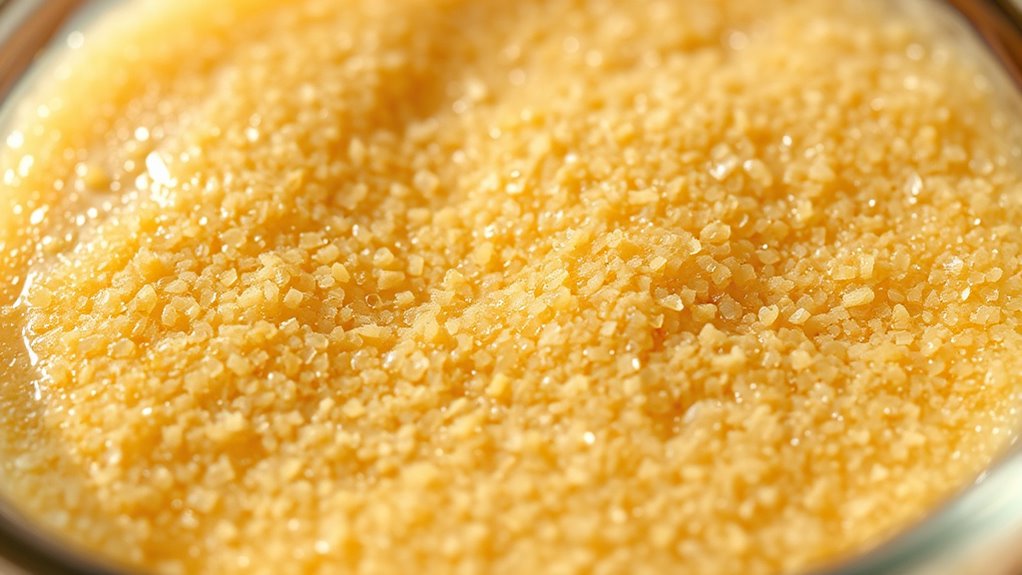
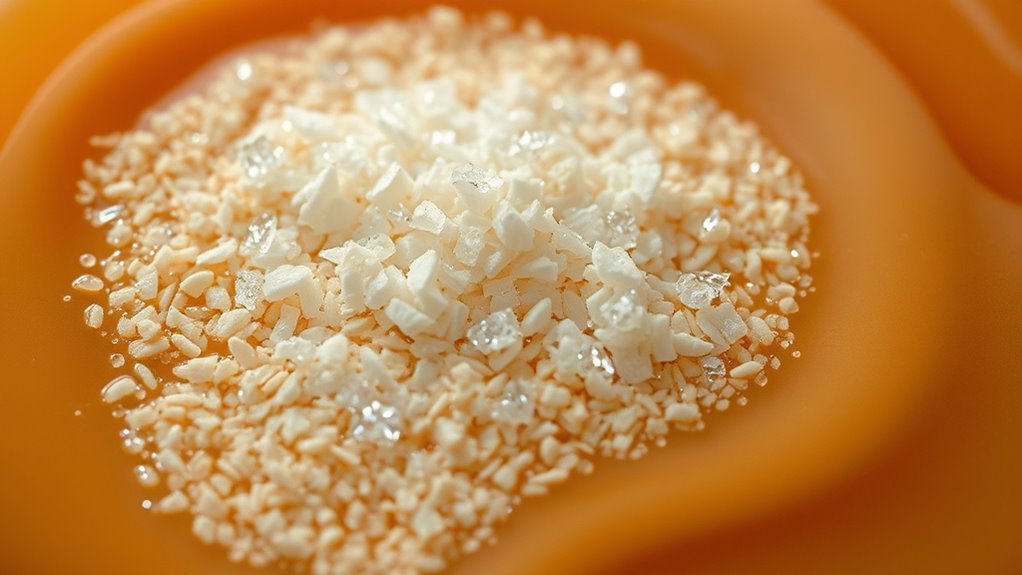
Understanding the melting points of granulated sweeteners is essential because it influences how they behave during cooking and baking. Each type of granulated sweetener has a unique melting point, affecting when and how it transforms under heat. For example, sugar melts at around 320°F (160°C), while some alternatives may melt at lower or higher temperatures. Knowing these points helps you prevent burning or uneven cooking. Additionally, the melting process impacts flavor enhancement, as melting releases and intensifies flavors. When you heat granulated sweeteners properly, they dissolve smoothly, creating a better texture and richer taste. Proper temperature control is also crucial to avoid caramelization, which can occur if sweeteners are overheated, potentially altering flavors and textures. Adjusting your heat based on melting points ensures your baked goods and desserts develop ideal flavor and consistency, making your culinary creations more appealing.
Solubility Dynamics in Hot Liquids
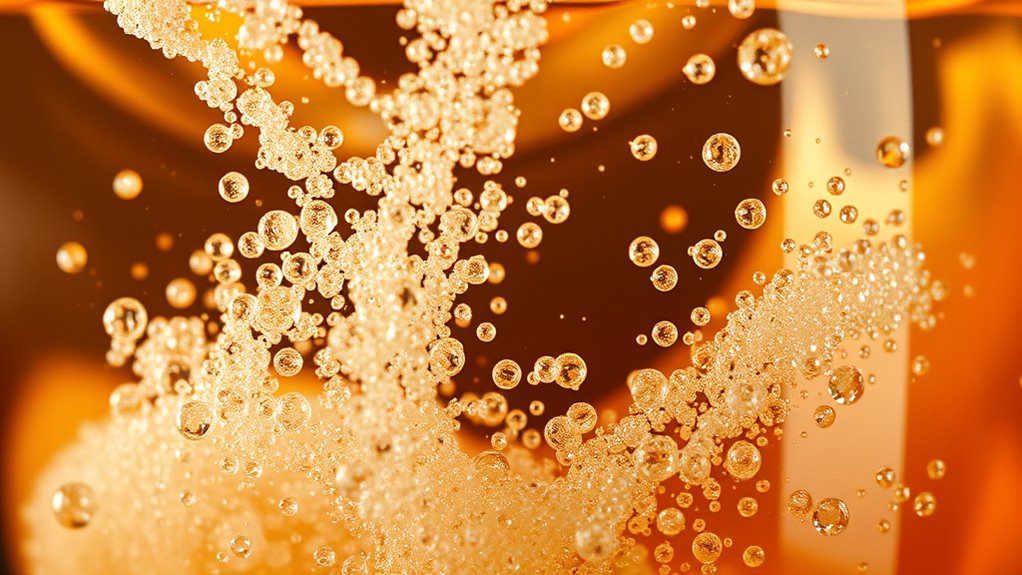
Hot liquids substantially influence how granulated sweeteners dissolve, with temperature playing a key role in their solubility. As the temperature rises, sweeteners dissolve more quickly, leading to smoother texture and better consistency. This enhanced solubility allows flavors to release more efficiently, intensifying taste and aroma. When you add granulated sweeteners to hot liquids, you’ll notice minimal texture alteration since the particles fully dissolve, creating a uniform mixture. However, if the temperature isn’t high enough, incomplete dissolution can cause gritty textures and uneven flavor distribution. Understanding this dynamic helps you control the sweetness level and flavor profile in hot beverages or dishes. Proper heating ensures the sweetener dissolves thoroughly, optimizing flavor release and maintaining the desired texture. Additionally, tuning options in various Honda models demonstrate how precise adjustments can optimize performance, much like controlling temperature optimizes sweetener solubility.
Crystallization and Recrystallization Processes
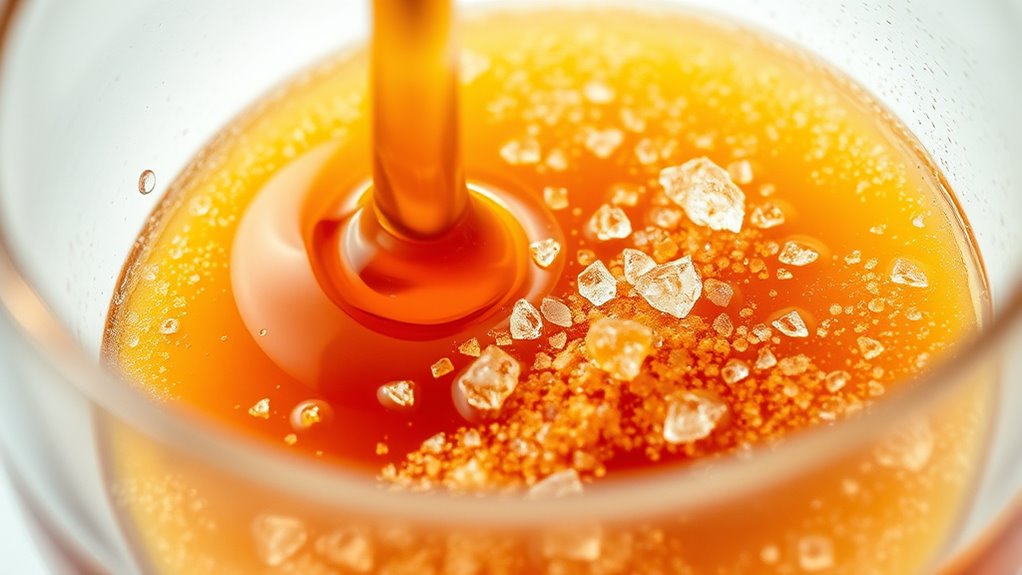
You can influence how sweeteners crystallize by understanding what triggers crystal formation, like temperature changes or concentration shifts. Recrystallization occurs when conditions alter, causing crystals to dissolve and reform differently. Recognizing these dynamics helps you control the texture and stability of your sweetener products. Additionally, knowing how glycolic acid interacts with skin can inform how you manage the stability of formulations containing sweeteners.
Crystal Formation Triggers
Crystal formation in granulated sweeteners is primarily triggered by specific conditions that promote nucleation and growth. When the temperature drops or moisture levels change, sugar crystallization becomes more likely, especially if the sweetener has been heated close to its melting point. As the sweetener melts, molecular movement increases, and upon cooling, molecules slow down, encouraging crystal nuclei to form. Sudden cooling or agitation also act as triggers, providing sites for nucleation. Additionally, impurities or particles in the mixture can serve as crystallization centers, accelerating crystal growth. These factors create an environment where crystal formation is favored, leading to the development of visible granule structures. Understanding these triggers helps in controlling the texture and stability of granulated sweeteners during processing and storage. Temperature fluctuations can further influence crystallization by disrupting the equilibrium, making it a critical factor to monitor during manufacturing.
Recrystallization Dynamics
Recrystallization dynamics govern how granulated sweeteners change their crystalline structure over time, impacting their texture and stability. When exposed to heat, sugar crystal growth can occur through recrystallization, where smaller crystals dissolve and larger ones grow. This process affects the smoothness and consistency of the sweetener. Controlling recrystallization involves managing factors like temperature, moisture, and agitation to prevent unwanted crystal growth. Proper recrystallization control keeps the crystalline structure stable, ensuring the sweetener maintains its intended properties during hot circulation. If not managed well, recrystallization can lead to grainy textures or clumping, compromising product quality. Understanding these dynamics helps you optimize processes and prolong the shelf life of granulated sweeteners. Additionally, crystallization control techniques are essential for maintaining product uniformity and preventing spoilage during storage.
Interactions With Other Ingredients During Heating
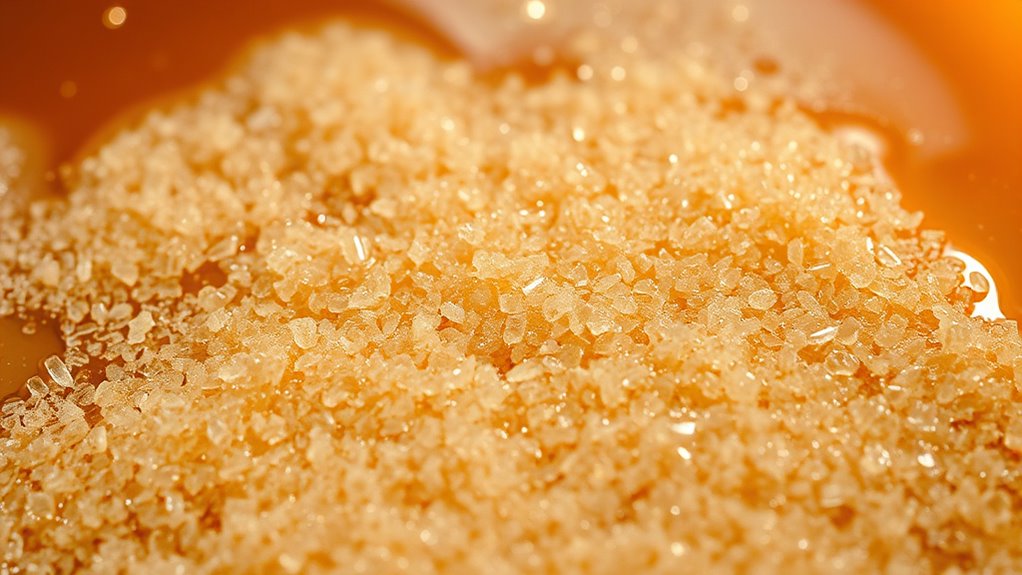
When heating granulated sweeteners, you’ll notice how they interact with fats, sometimes melting together to create smooth textures. Caramelization can be triggered early or intensified, affecting flavor and color. Additionally, acidic ingredients can alter the sweetener’s stability, leading to unexpected reactions during cooking.
Melting Dynamics With Fats
As fats heat, their melting behavior is considerably influenced by interactions with other ingredients, especially sugars. These interactions affect how smoothly fats melt, impacting the final texture and consistency of your product. When sugars are present, they can create a more uniform melting process, promoting better texture enhancement. Fats also interact with sugars to develop richer flavors, as the heat causes these ingredients to meld more effectively. This synergy helps achieve a desired mouthfeel and flavor profile, especially in baked goods and confections. Understanding these melting dynamics allows you to control how fats and sugars behave during heating, ensuring consistent results. Additionally, the type of fat used can significantly influence melting behavior, contributing to the overall texture and flavor of your dish. Ultimately, the interactions during heating optimize both texture and flavor development, giving your creations a more appealing and polished finish.
Caramelization Processes Initiated
During heating, sugars and other ingredients interact in ways that trigger caramelization processes, transforming their flavor and color. As temperatures rise, sugar crystal growth slows, allowing molecules to break down and form new compounds. This breakdown initiates caramel flavor development, producing rich, toasted notes. The heat causes sugars to undergo dehydration, leading to the formation of complex aroma compounds and brown pigments called melanoidins. These reactions deepen the color and enhance the characteristic caramel taste. Additionally, interactions with other ingredients, such as proteins or fats, can influence the rate and extent of caramelization, creating unique flavor profiles. The specific sugar composition of a sweetener impacts how quickly and intensely caramelization occurs, affecting the final flavor. Overall, the initiation of caramelization during heating is a critical step that defines the sensory qualities of sweetened products.
Interactions With Acidic Components
Interactions with acidic components substantially influence how sugars behave during heating, affecting both flavor development and color formation. Acid interactions can accelerate caramelization or cause undesirable reactions, impacting flavor stability. When acids are present, they can lower the pH, leading to more intense color and sharper flavors. To visualize these effects, consider this table:
| Acid Type | Effect on Sugar | Resulting Flavor |
|---|---|---|
| Citric Acid | Promotes browning | Bright, tangy notes |
| Vinegar | Accelerates caramelization | Sharp, acidic flavor |
| Lemon Juice | Enhances color | Citrusy, sweet undertones |
| Phosphoric Acid | Stabilizes flavor | Clean, balanced taste |
| Tartaric Acid | Inhibits some reactions | Mild, subtle flavors |
Understanding acid interactions helps maintain flavor stability and optimize heating outcomes. Recognizing these effects is essential for controlling the development of flavors and colors during cooking.
Effects of Temperature on Sweetness and Texture
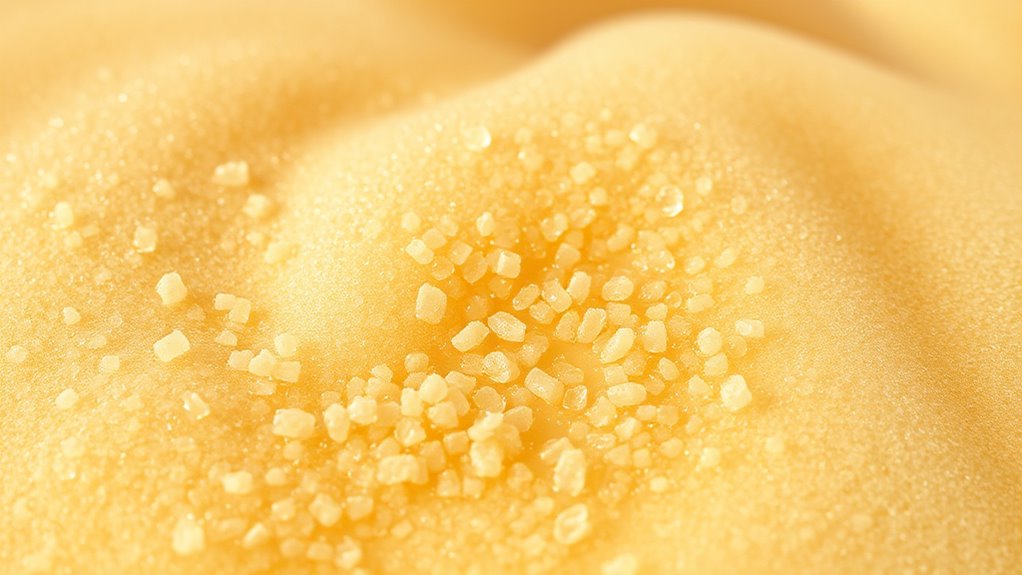
Temperature considerably influences the perceived sweetness and texture of granulated sweeteners. As you heat them, their flavor retention improves, making sweetness more pronounced. Conversely, excessive heat can cause color development, which may alter their appearance and taste. Here are some key effects:
Heating granulated sweeteners enhances flavor and smoothness but risks color changes and flavor loss if overheated.
- Sweetness intensifies with moderate heat but diminishes if overheated.
- Texture becomes smoother, aiding in better mixing and mouthfeel.
- Color development occurs, potentially affecting visual appeal.
- High temperatures can degrade the sweetener, impacting flavor retention and overall quality.
- Proper temperature management can also help preserve sound vibrations that support cellular health during processing.
Understanding these effects helps you control the heating process, ensuring ideal sweetness and texture without unwanted color changes or flavor loss. Proper temperature management preserves the integrity of your sweetener during hot circulation.
Heat Distribution and Circulation Influence
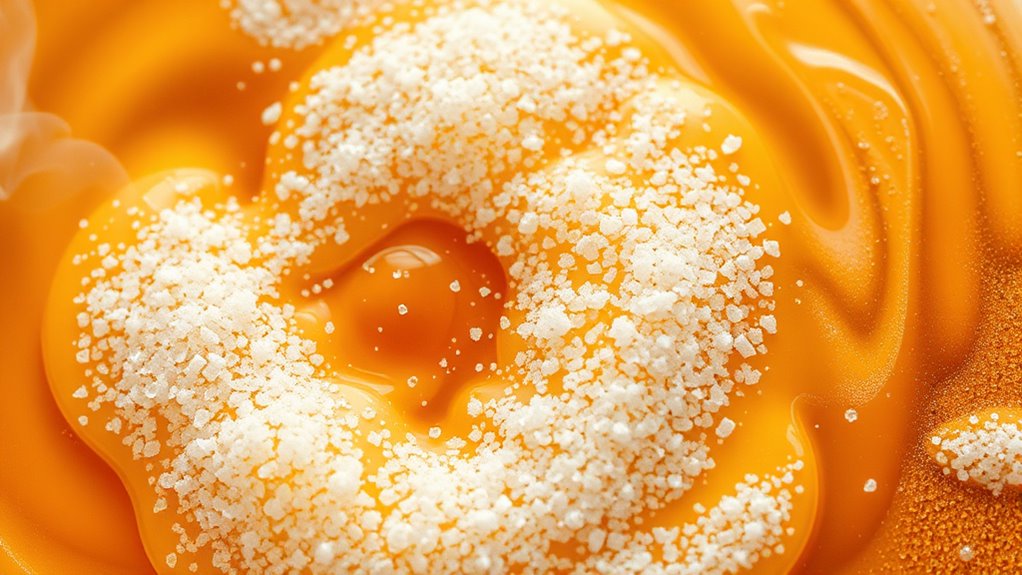
Effective heat distribution and circulation are essential for achieving consistent sweetness and texture in granulated sweeteners. Proper air circulation ensures even exposure to heat, preventing hot spots that could cause uneven melting or caramelization. Heat convection transfers warmth throughout the mixture, promoting uniform heating and preventing localized overheating. When air moves consistently around the sweetener, it helps maintain a stable temperature, which is vital for predictable results. Without adequate circulation, parts of the mixture may heat faster than others, leading to undesirable changes in consistency or flavor. By controlling air circulation and optimizing heat convection, you guarantee that heat reaches all parts of the sweetener evenly, resulting in a smooth, consistent product with the desired sweetness and texture. Regular inspection of heating equipment can help identify potential issues that might disrupt circulation or heat distribution.
Common Challenges When Heating Granulated Sweeteners
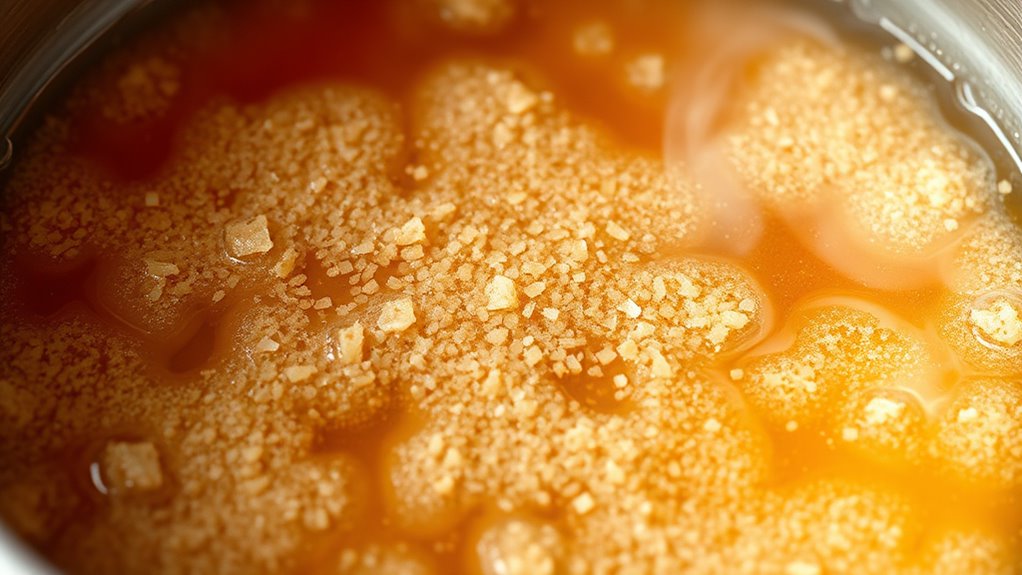
When heating granulated sweeteners, several common issues can arise that affect the final product’s quality. These challenges often involve unwanted texture modification and inconsistent color development.
- Clumping or caking: Uneven heat causes granules to stick together, impacting texture and flow.
- Caramelization or burning: Excess heat can lead to undesirable color development, altering flavor and appearance.
- Rapid melting: Sudden temperature spikes can create a sticky, uneven surface, affecting smoothness.
- Flavor loss: Overheating may degrade sweetener properties, compromising sweetness and overall quality.
Tips for Optimizing Performance in Hot Environments

In hot environments, maintaining the quality of granulated sweeteners requires proactive adjustments. To prevent sugar crystallization and preserve sweetener stability, keep temperatures controlled and avoid sudden temperature shifts. Use airtight containers to minimize moisture exposure, which can trigger crystallization. Incorporate stabilizers or anti-caking agents if appropriate, as they help maintain free-flowing consistency. Regularly monitor the environment’s humidity and temperature, adjusting ventilation or cooling systems as needed. When heating, stir gently and consistently to distribute heat evenly, reducing the risk of localized melting or crystallization. Proper packaging and storage are crucial to prevent moisture absorption, ensuring sweetener stability over time. These steps help optimize performance, ensuring your sweeteners retain their desired texture and effectiveness despite the heat.
Frequently Asked Questions
How Does Humidity Affect Granulated Sweeteners in Hot Circulation?
Humidity impact plays a significant role in how granulated sweeteners behave in hot circulation. When humidity levels are high, your sweeteners absorb moisture more easily, leading to clumping and caking. This moisture absorption can compromise their flowability and consistency, making handling and measurement difficult. To maintain quality, you should store granulated sweeteners in dry conditions and minimize exposure to humidity during processing and circulation.
Can Different Types of Granulated Sweeteners Be Mixed During Heating?
Imagine mixing colors on a palette—your sweeteners are like those vibrant hues. When you heat different types, you must consider sweetener compatibility and flavor interactions. Some sweeteners blend smoothly, creating harmony, while others clash. During heating, they can melt or caramelize differently, affecting taste and texture. You should test small amounts first, ensuring your mixture remains balanced and avoiding unexpected flavors or textures.
What Impact Does Stirring Have on Crystallization in Hot Liquids?
Stirring effects play a vital role in crystallization control in hot liquids. When you stir, you break up forming crystals, preventing large, unwanted ones from developing. This action helps maintain a smooth, uniform mixture and delays crystallization. By controlling stirring, you influence how quickly and uniformly crystals form, ensuring better texture and consistency in your final product. Proper stirring is essential for managing crystallization in hot liquid processes.
Are There Safety Considerations When Heating Sweeteners at High Temperatures?
Imagine the moment you heat sweeteners—safety matters more than you think. When heating at high temperatures, you need to contemplate food safety and chemical stability. Overheating can cause chemical changes or even dangerous reactions. Keep your heat controlled, avoid burning, and never leave sweeteners unattended. This way, you protect yourself and others, ensuring your creations remain safe, stable, and delicious. Your vigilance keeps the process safe and satisfying.
How Do Storage Conditions Influence Performance During Hot Processing?
You need to take into account how storage conditions impact hot processing performance. Proper moisture control prevents clumping and guarantees consistent sweetness, while choosing the right container material—like airtight, heat-resistant options—protects the sweetener from humidity and temperature fluctuations. This way, your sweetener remains stable and easy to work with during high-temperature processes, maintaining quality and safety. Proper storage setup is essential for ideal performance in hot circulation.
Conclusion
Think of granulated sweeteners as dancers in a heated ballet—each move influenced by temperature, circulation, and their partners. When you understand their melting points, solubility, and crystallization, you’re directing a flawless performance. Master the timing and environment, and they’ll deliver perfect sweetness and texture every time. With careful handling, you become the conductor of this flavorful symphony, turning simple ingredients into a harmonious masterpiece. Your skill transforms heat into a sweet, seamless act.