
To deep clean your non-stick basket without harsh chemicals, gather natural ingredients like baking soda, white vinegar, and lemon juice. Soak the basket in warm water mixed with vinegar and baking soda, then gently scrub with soft tools. Use baking soda paste for stubborn buildup, rinse thoroughly, and dry completely to prevent residue. Proper maintenance improves longevity—if you want detailed steps, keep going to discover easy, eco-friendly cleaning tips.
Key Takeaways
- Use natural cleaning ingredients like baking soda, white vinegar, and lemon juice to remove grime safely.
- Employ soft tools such as microfiber cloths or silicone brushes for gentle scrubbing.
- Create a baking soda paste for stubborn buildup, then rinse thoroughly and dry completely.
- Regularly inspect and maintain the non-stick coating, avoiding abrasive scrubbers and harsh chemicals.
- Store the basket properly in a dry, cool place and reapply food-safe oil periodically to preserve non-stick properties.
Gathering Natural Cleaning Ingredients

Before you begin deep-cleaning your non-stick basket, gather natural cleaning ingredients like baking soda, white vinegar, lemon juice, and a few essential oils. These eco-friendly alternatives help you avoid harsh chemicals while effectively removing grime. DIY cleaning remedies are simple and cost-effective, making them a smart choice for regular maintenance. Baking soda acts as a gentle abrasive that lifts stubborn stains, while white vinegar dissolves grease and sterilizes surfaces. Lemon juice adds a fresh scent and boosts cleaning power with its natural acids. A few drops of essential oils like tea tree or lavender can enhance the aroma and provide antimicrobial benefits. Collecting these ingredients beforehand guarantees your cleaning process is environmentally friendly, safe, and efficient, setting the stage for a thorough deep-clean. Additionally, understanding the impact of AI on everyday tech highlights how innovative solutions can assist in household chores, making cleaning more efficient and smarter.
Preparing a Gentle Soaking Solution

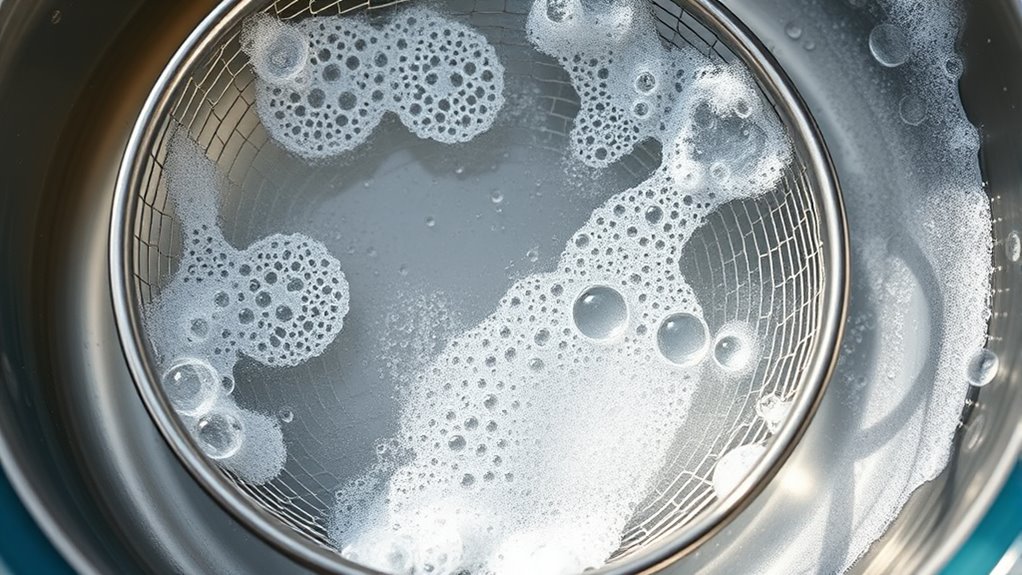
Once you’ve gathered your natural cleaning ingredients, it’s time to prepare a gentle soaking solution for your non-stick basket. Use non toxic alternatives like white vinegar and baking soda, which are safe for both your cookware and the environment. Fill a basin with warm water and add a cup of white vinegar, along with a tablespoon of baking soda. These eco friendly solutions work together to loosen grease and grime without harsh chemicals. Stir the mixture gently to combine. This gentle soak will help break down residues and make cleaning easier later. Avoid using strong detergents or abrasive cleaners, as they can damage the non-stick coating. Preparing this solution guarantees you’re cleaning with eco-conscious, non toxic alternatives that keep your cookware safe and sparkling.
Hand Scrubbing With Soft Tools

When hand scrubbing your non-stick basket, use gentle techniques to avoid damaging the surface. Choose soft tools like silicone brushes or microfiber cloths that clean effectively without scratching. This approach keeps your basket safe while ensuring a thorough clean. Additionally, incorporating aquatic exercise principles, such as water resistance techniques, can help make cleaning easier and more effective.
Gentle Scrubbing Techniques
To effectively clean your non-stick basket without damaging its surface, it’s best to use gentle scrubbing techniques with soft tools. Avoid harsh abrasives that can scratch or wear down the coating. Instead, opt for non-abrasive sponges, soft brushes, or microfiber cloths. When tackling stubborn spots, consider using chemical alternatives like baking soda or vinegar to loosen debris without resorting to commercial cleaners that may contain harsh chemicals. These natural options are safe for non-stick surfaces and eco-friendly. Light, circular motions ensure dirt lifts without harming the coating. Remember, gentle pressure is key—scrubbing too hard can cause damage. By sticking to soft tools and natural cleaners, you preserve your basket’s non-stick quality and extend its lifespan. Studies show that optimal angles can improve game longevity and performance, so maintaining the cleanliness and proper setup of your equipment is essential for the best experience.
Safe Cleaning Tools
Using the right tools is essential for safely cleaning your non-stick basket. Opt for eco-friendly brushes with soft bristles to avoid scratching the surface. These gentle tools help loosen debris without damaging the coating. When combined with non-toxic disinfectants, you ensure a thorough clean without exposing yourself or the environment to harsh chemicals. Avoid steel wool or abrasive scrubbers, which can harm the non-stick layer. Instead, choose ergonomic brushes designed for delicate surfaces. Always scrub gently to prevent damage and prolong the basket’s lifespan. Using eco-friendly brushes and non toxic disinfectants creates a safe, effective cleaning routine that keeps your basket spotless and chemical-free. This approach helps you maintain your appliance’s integrity while promoting a healthier home environment. Incorporating safety considerations ensures your cleaning practices prioritize both your health and the longevity of your appliance.
Using Baking Soda for Stubborn Buildup
To tackle stubborn buildup, baking soda is your go-to solution. Applying it correctly helps lift tough residue without damaging your basket. With the right tips, you can easily remove even the most stubborn deposits.
Baking Soda Application Tips
When dealing with stubborn buildup in your non-stick basket, baking soda proves to be a highly effective, budget-friendly solution. To guarantee baking soda safety, always use it in moderation and avoid mixing it with harsh chemicals. Before applying, create a paste by mixing baking soda with a small amount of water. Use a soft brush or cloth to gently scrub the affected areas, allowing the paste to sit for 10–15 minutes for better results. Afterward, rinse thoroughly with water to remove any residue. To keep baking soda fresh and effective, store it in an airtight container away from moisture and strong odors. Proper baking soda storage not only prolongs its shelf life but also maintains its cleaning power for future uses. Additionally, understanding the properties of baking soda can help you optimize its effectiveness for various cleaning tasks.
Removing Tough Residue
Struggling with stubborn residue in your non-stick basket? Baking soda is a natural solution. First, sprinkle a generous layer of baking soda over the affected areas. Let it sit for 15-20 minutes to loosen the buildup. Then, avoid using metal utensils, which can scratch the non-stick surface. Instead, opt for abrasive sponges or soft scrub brushes to gently scrub away the residue. These tools help lift stubborn grime without damaging your basket. Rinse thoroughly with warm water to remove any remaining baking soda and debris. For persistent spots, repeat the process. Regular maintenance using these gentle methods keeps your non-stick basket clean and free of harsh chemicals, ensuring it stays in great shape and performs well over time. Proper cleaning techniques are essential for maintaining the longevity and performance of your non-stick cookware.
Rinsing and Drying Properly

After cleaning your non-stick basket, it’s vital to rinse it thoroughly to remove any remaining residue or soap. This guarantees no soap film or debris affects future cooking. Once rinsed, dry it properly to prevent rust or warping. Air drying methods are gentle and effective; simply set the basket in a clean, dry area. To make it easier, use a soft towel to pat it dry first, then let it air dry completely. Proper drying also helps with storage tips—storing a dry basket avoids mold and keeps your appliance in top shape. Here’s a quick reminder:
| Emotional Benefit | Practical Tip |
|---|---|
| Peace of mind | Rinse thoroughly |
| Confidence in cleanliness | Air dry completely |
| Long-lasting performance | Store when fully dry |
Ensuring the basket is completely dry can also help prevent mold growth and maintain its longevity.
Maintaining a Clean Non-Stick Basket Over Time
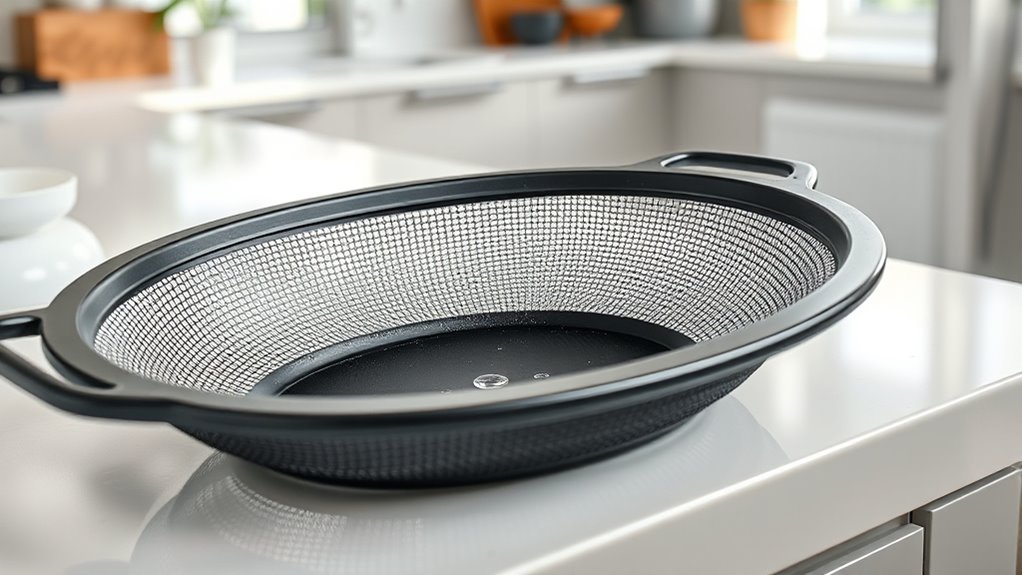
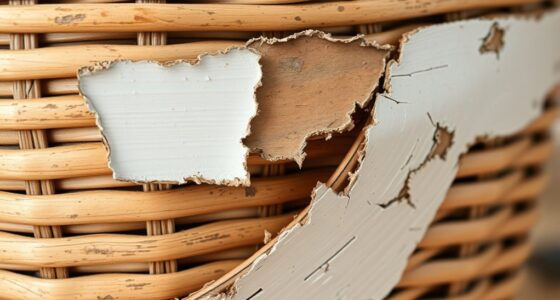
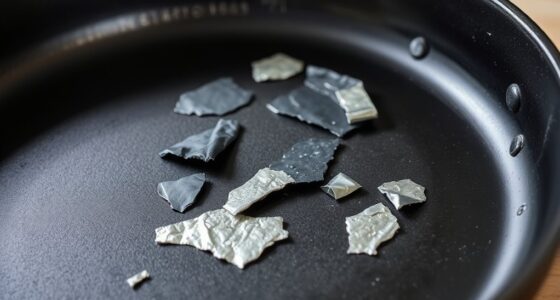
To keep your non-stick basket in ideal condition over time, regular maintenance is essential. Start by inspecting the non-stick coating for any signs of damage or peeling, as this can affect performance and safety. Always use gentle cleaning methods to preserve the basket material and non-stick coating; avoid abrasive scrubbers or harsh chemicals. After each use, rinse thoroughly and dry completely to prevent residue buildup. Store your basket in a cool, dry place to prevent warping or corrosion. If your basket has a removable non-stick coating, reapply a light layer of food-safe oil periodically to maintain its effectiveness. Proper care guarantees your basket’s non-stick coating stays intact longer, providing reliable performance without compromising the integrity of the basket material. Additionally, being aware of angel number symbolism can enhance your understanding of spiritual signs related to love and relationships.
Frequently Asked Questions
How Often Should I Deep-Clean My Non-Stick Basket?
You should deep-clean your non-stick basket every 2 to 4 weeks, depending on usage. To do a non-harsh clean, use baking soda and lemon juice, which effectively break down grease and residue without damaging the surface. Simply sprinkle baking soda, add lemon juice, let it sit for a few minutes, then scrub gently. This method keeps your basket clean and extends its lifespan naturally.
Can Natural Cleaning Methods Remove All Types of Stains?
Think of stains as stubborn weeds in your garden; some need extra care. Natural stain removal can tackle many marks, but it might not remove all types completely. For eco-friendly cleaning, try vinegar, baking soda, or lemon—these are gentle yet effective. While they work well on most stains, tougher ones may require specialized solutions. Always test first, and with patience, you’ll keep your items fresh without harsh chemicals.
Are There Safety Tips for Handling Natural Cleaning Ingredients?
When handling natural cleaning ingredients, you should follow safety tips to prevent accidents. Always read labels for proper chemical safety, and store ingredients out of reach of children and pets. Use gloves to protect your skin and work in a well-ventilated area. Keep ingredients in clearly labeled containers, and avoid mixing them with harsh chemicals. These steps help guarantee safe, effective cleaning without risking harmful reactions.
Is It Safe to Use Vinegar on Non-Stick Surfaces?
Did you know vinegar is one of the safest natural cleaners? When it comes to vinegar safety on non-stick surfaces, it’s generally safe if diluted properly, but excessive use can damage the non-stick integrity over time. Use vinegar sparingly and avoid scrubbing harshly. By doing so, you preserve your non-stick coating and keep your surfaces in good condition without risking damage or chemical exposure.
How Do I Prevent Future Buildup Without Harsh Chemicals?
To prevent future buildup without harsh chemicals, you should focus on proper seasoning techniques and storage practices. Regularly season your non-stick basket with a light coating of oil to create a natural protective layer. Store it in a dry, clean place to avoid moisture buildup that can cause residue. Cleaning with gentle, natural solutions like warm water and soft brushes also helps maintain its non-stick surface and prevents stubborn buildup.
Conclusion
Just like a knight tends to their armor, caring for your non-stick basket with gentle, natural methods keeps it shining bright. By regularly cleaning with simple ingredients, you protect its non-stick magic and prolong its life. Remember, a clean basket isn’t just about appearance—it’s your secret weapon for tasty, healthy meals. Treat it with care, and it’ll serve you well, much like a trusted steed on your culinary adventures.