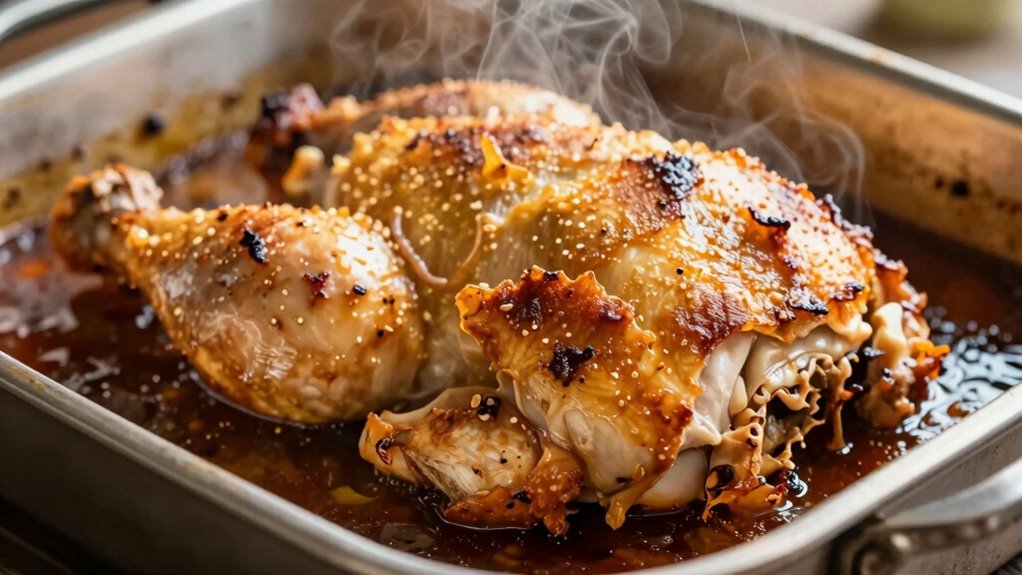
When your food dries out before it browns, it’s usually because hot, uneven heat causes rapid moisture loss inside before a good crust can develop. High temperatures accelerate moisture evaporation and can create hotspots, dehydrating the interior faster than the surface browns. Overcooking, especially at too high a heat, accelerates this process, leading to dryness. To prevent this, controlling oven temperature and choosing proper cookware matters. Keep going to discover how to master moisture retention and achieve even browning.

Get kitchen gear delivered free with Prime
- Fast, free delivery on millions of items
- Prime Video, Amazon Music and more included
- Member-only deals all year
Key Takeaways
- Excessive or rapid moisture evaporation due to high oven temperatures causes food to dry out before browning.
- Hotspots in cookware lead to uneven heating, resulting in uneven drying and insufficient browning.
- Overcooking dehydrates food, making it dry even if surface browning occurs early.
- Improper heat transfer mechanisms accelerate moisture loss, preventing proper crust development.
- Insufficient moisture retention techniques, like using appropriate cookware and temperature control, cause drying out prior to browning.
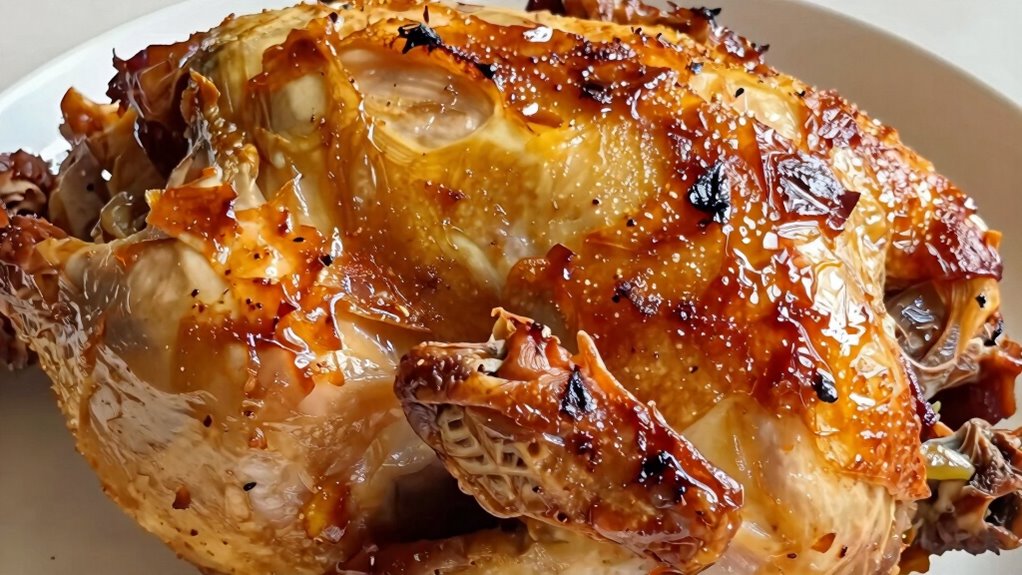
Have you ever noticed how your baked dish sometimes becomes dry before it even turns golden? It’s frustrating, isn’t it? The main reason behind this common problem lies in moisture evaporation, which happens when heat causes the water inside your food to turn into vapor and escape into the air. When moisture leaves too quickly or excessively, your dish loses its juiciness and succumbs to dryness before it has a chance to develop that appealing brown crust. Understanding the heat transfer mechanisms involved can help you control this process better, ensuring your food stays moist and browns evenly.
Heat transfer mechanisms—including conduction, convection, and radiation—play a pivotal role in how your food cooks. Conduction occurs when heat moves directly from the hot oven or pan into the food, heating it from the outside in. Convection involves the circulation of hot air within your oven, distributing heat more evenly but also accelerating moisture loss if not controlled. Radiation, primarily from the oven’s heating elements, transfers heat directly onto the surface of your dish. If these mechanisms work too aggressively or unevenly, they can cause rapid moisture evaporation, leaving the interior dry and the surface prematurely browned. Additionally, the thermal properties of your cookware, such as thickness and material composition, influence how evenly heat is distributed and can help prevent hotspots that cause uneven drying. A good understanding of these properties can help you select the right cookware to prevent hotspots and uneven drying. Proper heat management, including knowing how different heat transfer mechanisms operate, is essential for achieving consistent cooking results.
Temperature control is crucial in managing moisture evaporation. When the oven temperature is too high, heat transfer through radiation and convection intensifies, speeding up moisture loss. This is why a high-temperature bake can often result in a crust forming too quickly while the interior remains undercooked or dry. Conversely, a lower, more controlled temperature allows heat to penetrate gradually, giving moisture a chance to stay within the food longer. It’s also important to consider the cooking duration—overcooking can dehydrate your dish, even if the exterior has started to brown. Monitoring oven temperature closely is essential for achieving optimal results. Employing proper baking techniques, such as checking for doneness and using oven thermometers, can further help in controlling moisture loss. Being attentive to these factors and adjusting heat accordingly can make a noticeable difference in your cooking outcomes.
As an affiliate, we earn on qualifying purchases.
Frequently Asked Questions
Does Altitude Affect How Food Browns and Dries Out?
Yes, altitude effects can influence how your food browns and dries out. At higher altitudes, air pressure drops, which lowers the boiling point of water. This means food cooks more slowly and can dry out quicker before browning occurs. You might need to adjust cooking times, increase oven temperature slightly, or cover dishes to retain moisture. Understanding altitude effects helps you achieve better results and prevents drying out before proper browning.
Can Using a Convection Oven Prevent Food From Drying Out?
Yes, using a convection oven can help prevent food from drying out. Its baking techniques circulate hot air evenly, maintaining consistent temperature and moisture levels. As you bake, imagine the gentle swirl of air sealing in ingredient moisture while promoting even browning. This steady airflow reduces the chance of drying out before achieving that perfect golden crust. With convection, your dishes stay moist and beautifully browned, elevating your cooking game effortlessly.
How Does Food Thickness Impact Drying and Browning?
Thicker food retains more moisture, which slows down drying but can hinder browning. When food is thin, moisture evaporates quickly, allowing browning mechanisms like caramelization and Maillard reactions to occur faster. In contrast, thicker cuts trap moisture, delaying browning and risking dryness before achieving a golden crust. Adjust cooking times, heat, or cut thickness to balance moisture retention and browning, ensuring your food cooks evenly without drying out prematurely.
Are Some Cookware Materials Better for Preventing Drying?
Think of cookware material as a shield that guards your food’s moisture. Copper and aluminum conduct heat well, providing even heat distribution, which helps prevent drying out. Cast iron retains heat longer, reducing temperature fluctuations. Non-stick pans also help by requiring less oil. Choosing cookware with good heat conductivity and consistent heat distribution guarantees your food browns evenly without drying out, keeping it juicy and flavorful.
What Role Does Humidity in the Kitchen Play?
Humidity in your kitchen plays a vital role in preventing food from drying out prematurely. Proper humidity control maintains ideal kitchen moisture levels, ensuring your dishes stay moist while browning evenly. When humidity is too low, food loses moisture quickly, leading to dryness. By managing kitchen moisture, you create a balanced environment that helps foods brown perfectly without drying out, resulting in tastier, more tender dishes.
Conclusion
Remember, patience is a virtue in the kitchen. When food dries out before it browns, it’s often because the heat is too high or moisture escapes too quickly. Adjust your temperature and keep an eye on your dish. As the saying goes, “Slow and steady wins the race,” so take your time to guarantee your food browns perfectly without drying out. Proper technique makes all the difference in achieving delicious results.
Halloween Picks
halloween
As an affiliate, we earn on qualifying purchases.