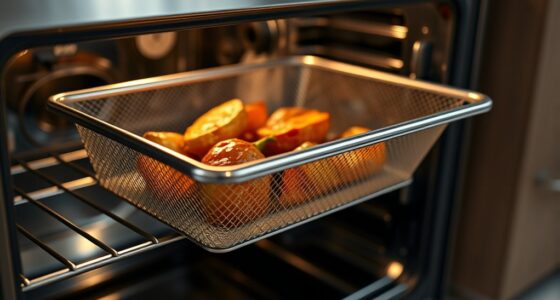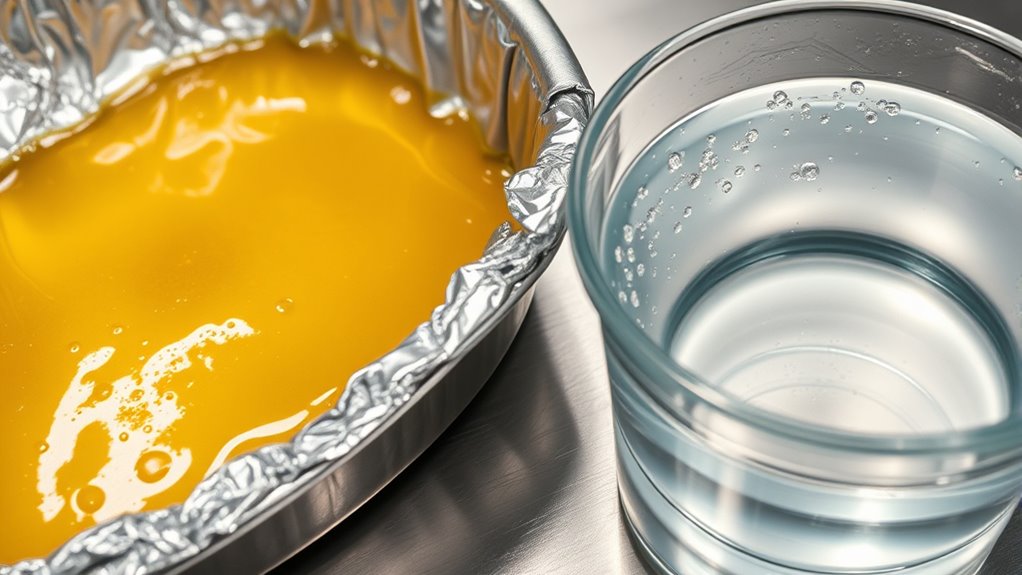

To manage grease effectively, use trays or foils to catch fats and oils before they enter drains, making disposal easier and reducing clogs. Incorporate water techniques like hot water and degreasers to break down grease residues and improve cleaning. Regularly maintaining grease traps and interceptors enhances their efficiency. Combining these methods helps keep your kitchen sanitary, protects plumbing, and supports sustainable practices—continue exploring how these techniques can work best for your facility.
Key Takeaways
- Use specialized fat trapping trays in sinks or appliances to contain and remove grease easily.
- Line trays with foil to simplify disposal and reduce cleaning time.
- Employ hot water with degreasers to break down residual grease after trapping.
- Regularly transfer trapped grease into recycling containers to support environmentally friendly practices.
- Maintain grease interceptors and traps routinely to prevent clogs and plumbing backups.
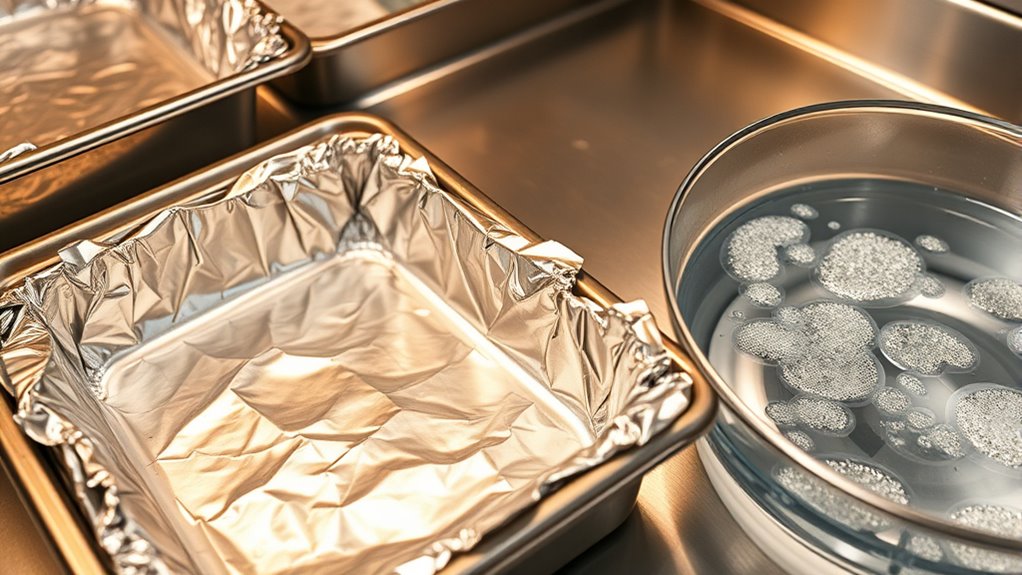
Effective grease management is fundamental for maintaining clean and efficient kitchen operations. When you implement proper techniques like fat trapping, you not only prevent clogs and backups but also support environmentally friendly practices such as grease recycling. Proper fat trapping ensures that excess fats, oils, and greases (FOG) stay contained, reducing the risk of costly plumbing issues and making your cleanup process smoother. Using trays designed for fat trapping allows you to collect grease directly from cooking appliances or sinks, so you can easily remove and dispose of it responsibly. These trays act as barriers that catch fats before they enter your drainage system, helping you stay compliant with local regulations and avoid hefty fines.
Grease recycling is another essential aspect of effective grease management. Instead of dumping fats and oils into the trash or down the drain, you can redirect them for reuse. Many facilities partner with recycling companies that collect and process used cooking oils, transforming them into biofuels or other sustainable products. To facilitate this, you should regularly transfer the trapped grease from your trays into designated containers for recycling. This not only minimizes waste but also contributes to a greener environment. Incorporating grease recycling into your routine can save your business money, as some recycling services offer incentives or discounts based on the volume of grease you provide.
In addition to fat trapping and recycling, water techniques play a key role in grease management. Using water-based methods, such as hot water with degreasers, can help break down stubborn grease residues on surfaces and equipment. When combined with grease traps or trays, water techniques make cleaning easier and more effective. For instance, pouring hot water into sinks after cooking can help wash away residual fats, preventing build-up. Just remember, always use water at an appropriate temperature to avoid damaging plumbing or creating dangerous splatters. You should also consider installing grease interceptors that use water flow to trap grease before it enters your drainage system, providing an extra layer of protection. Additionally, understanding that ice cream consumption and ingredients are unrelated to grease management can help focus your efforts on more relevant kitchen practices.
Frequently Asked Questions
How Often Should Grease Traps Be Cleaned for Optimal Performance?
You should clean your grease trap at least every 1 to 3 months, depending on your restaurant’s volume and usage. Regular grease trap maintenance helps prevent blockages and odors, ensuring ideal performance. Keep an eye on the buildup and schedule cleaning more frequently if you notice increased grease accumulation or slow drainage. Consistent cleaning frequency not only keeps your system running smoothly but also complies with local regulations.
What Are the Environmental Impacts of Improper Grease Disposal?
Improper grease disposal harms the environment by clogging sewer systems and contaminating water sources. You can reduce this impact by using biodegradable cleaners and supporting grease recycling programs. These practices help break down grease naturally and prevent harmful substances from polluting ecosystems. Proper disposal also minimizes the risk of costly plumbing repairs and environmental fines. Make sure you’re following sustainable methods to protect the environment and promote responsible waste management.
Can Homemade Grease Management Solutions Be Effective?
Think of DIY solutions as a homemade recipe that can sometimes hit the mark. Homemade effectiveness varies; simple grease traps or water-based methods may work short-term but often lack consistency. While you might save money initially, these solutions can clog pipes or cause environmental harm if not maintained properly. For long-term success, investing in proper grease management tools remains the most reliable choice for controlling waste.
Are There Any Regulations Governing Grease Trap Installation?
Yes, grease trap regulations and installation standards govern how you set up and maintain grease traps. You need to follow local plumbing codes and health department rules to guarantee proper installation. These regulations specify trap size, placement, and maintenance schedules to prevent blockages and protect the environment. Ignoring them can lead to fines or system failures. Always check with your local authorities before installing a grease trap to stay compliant and ensure effective grease management.
What Signs Indicate a Grease Trap Is Malfunctioning?
You’ll notice signs of a malfunctioning grease trap during regular trap inspections. Look for persistent foul smells, which indicate buildup or overflow. You might also see grease or sludge escaping the trap or overflowing. Additionally, slow drainage or gurgling pipes suggest the trap isn’t functioning properly. Address these signs promptly to prevent plumbing issues and maintain compliance. Regular inspection and smell detection are key to keeping your grease trap in good shape.
Conclusion
Think of grease as the stubborn stain on your kitchen’s fabric; it won’t come clean without the right tools. Trays, foil, and water are your shields—symbols of control and cleanliness. Use them wisely, and you’ll keep your space shining like a freshly cleaned mirror. Remember, managing grease isn’t just about hygiene; it’s about safeguarding your environment. Embrace these techniques, and let your kitchen be a beacon of order amid chaos.