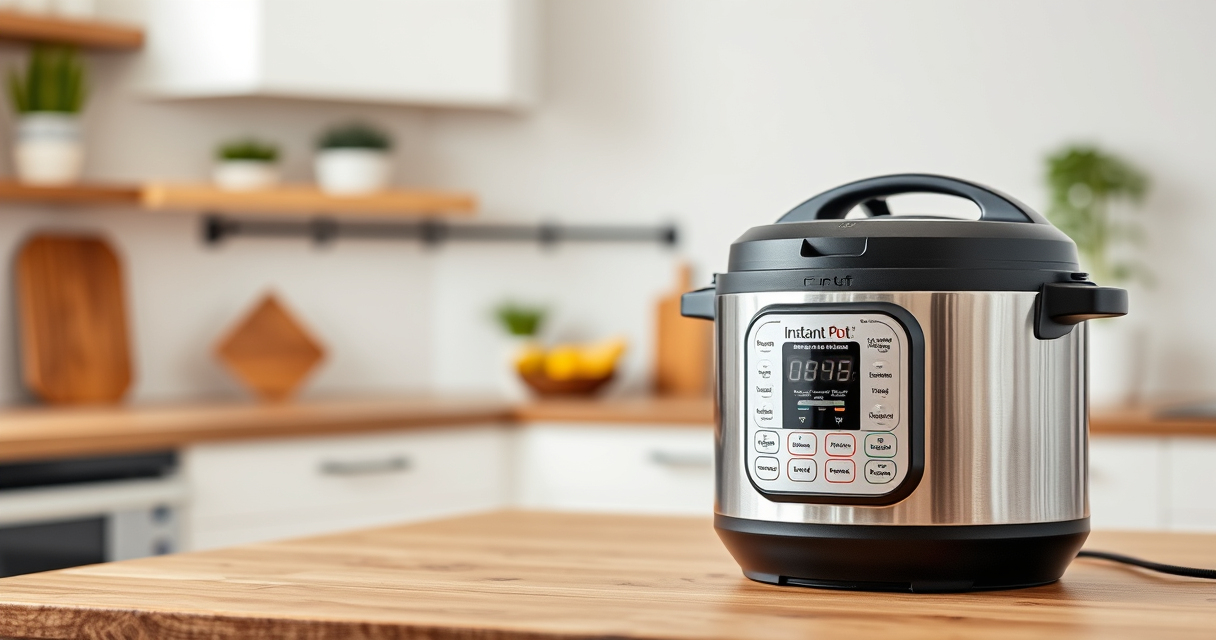

Maintaining your Instant Pot pressure cooker is essential for ensuring its longevity, safety, and optimal performance. Whether you’re a new user or have been using it for years, regular upkeep can prevent common issues and extend the life of your appliance. This guide will walk you through practical, step-by-step maintenance routines, troubleshooting tips, and safety precautions to keep your Instant Pot functioning flawlessly.
From cleaning the inner pot and sealing rings to replacing worn parts, you’ll learn how to keep your multi-cooker in top shape. Proper maintenance not only enhances cooking results but also ensures safety in your kitchen. Let’s dive into the essential steps for keeping your Instant Pot in excellent condition.
Key Takeaways
| Regular Cleaning | Clean the inner pot, lid, and sealing ring after each use to prevent buildup. |
| Sealing Ring Care | Replace the sealing ring every 12-18 months or if you notice odors or leaks. |
| Component Checks | Inspect the float valve, lid, and safety mechanisms regularly for damage. |
| Troubleshooting Problems | Address common issues like error codes, leaks, or pressure problems promptly. |
| Safe Storage | Store the lid upside down to prevent odors and keep the sealing ring fresh. |

Instant Pot 4QT RIO Mini 7-in-1 Multi-Cooker, Pressure Cooker, Slow cook, Sauté, Steam, Rice Maker, Yogurt, & Warmer, Black, 4 Quarts
- 7-in-1 Multi-Cooker Functions: Pressure, slow, sauté, steam, rice, yogurt, warm
- Compact and Space-Saving: Mini size with large cooking surface
- Ideal for Small Meals: 4-quart capacity for up to 4 servings
As an affiliate, we earn on qualifying purchases.
Cleaning Your Instant Pot After Every Use
- Unplug the device and allow it to cool completely before cleaning.
- Remove the inner pot and wash it with warm, soapy water. Use a non-abrasive sponge to avoid scratches.
- Clean the lid, paying special attention to the sealing ring, float valve, and steam release handle. Use a soft brush or cloth.
- Wipe down the exterior with a damp cloth. Avoid immersing the main unit in water.
- Dry all parts thoroughly before reassembling.
Regular cleaning prevents food residue buildup, which can affect sealing and cooking performance.
Inspecting and Replacing the Sealing Ring
The sealing ring is critical for maintaining pressure during cooking. Over time, it can absorb odors, crack, or lose flexibility. To ensure your Instant Pot works safely and efficiently, inspect the ring regularly.
- Check for cracks, tears, or hardening.
- Smell the ring for persistent odors. If cleaning with baking soda or vinegar doesn’t help, replacement is recommended.
- Replace the sealing ring approximately every 12-18 months, or sooner if you notice issues.
Replacement rings are affordable and easy to install. Make sure to choose a genuine Instant Pot sealing ring for optimal fit and safety.
Maintaining the Float Valve and Lid Components
The float valve and lid safety mechanisms are vital for safe operation. Inspect these parts regularly to prevent pressure leaks or malfunctions.
- Ensure the float valve moves freely and is not stuck or obstructed.
- Clean the valve and surrounding area with a soft brush or cloth.
- Check the lid gasket for wear or damage. Replace if necessary.
If you notice the float valve is stuck or the lid doesn’t seal properly, address these issues immediately to avoid safety hazards.
Troubleshooting Common Instant Pot Issues
Many problems can be resolved with simple troubleshooting. Here are some common issues:
- Leaking steam or liquid: Check the sealing ring and ensure it is properly installed and not damaged. Also, examine the lid gasket and float valve.
- Error codes: Refer to the user manual for specific codes. Often, a reset or cleaning can resolve the issue.
- Pressure not building: Verify the sealing ring is in place, the float valve moves freely, and there are no obstructions.
Addressing these issues promptly keeps your Instant Pot safe and functioning correctly.
Proper Storage and Long-term Maintenance Tips
To extend the life of your Instant Pot, store it properly when not in use. Always dry all parts thoroughly before storage.
- Store the lid upside down or inverted to prevent odors from developing inside.
- Remove and clean the sealing ring regularly, especially if you don’t plan to use the device for an extended period.
- Periodically check all components for wear and replace as needed.
Following these tips ensures your pressure cooker remains in top condition for years to come.
The Products in This Guide

Instant Pot 4QT RIO Mini 7-in-1 Multi-Cooker
- ✔ Power: 700W
- ✔ Capacity: 4 quarts
- ✔ Material: Plastic & stainless steel

AOZITA Steamer Basket
- ✔ Material: Stainless steel
- ✔ Size: Fits 6/8 qt models
- ✔ Features: 2-tier, stackable
Instant Pot 4QT RIO Mini 7-in-1 Multi-Cooker
The Instant Pot 4QT RIO Mini 7-in-1 Multi-Cooker offers a wide range of functions in a compact design, perfect for small households or limited counter space. Its multiple cooking modes, including pressure, slow cook, sauté, and more, make it a versatile kitchen companion.
Pros:
- 7 cooking functions in one device
- Space-saving mini size
- Easy to clean and operate
- Progress indicator for monitoring
Cons:
- Limited 4-quart capacity
- Not suitable for large families
- Some parts may need replacement over time
Best for: Small families, singles, or students needing versatile cooking options
Not ideal for: Large families or those requiring extensive capacity
Bottom line: A compact and multifunctional cooker ideal for small households with easy maintenance.
AOZITA Steamer Basket
The AOZITA Steamer Basket complements the Instant Pot perfectly, providing two-tier steaming for vegetables, seafood, and more. Its stainless steel construction ensures durability and easy cleaning.
Pros:
- Two-tier stackable design
- Made of food-grade stainless steel
- Compatible with 6qt and 8qt models
- Easy to clean and dishwasher safe
Cons:
- Requires additional space inside the pot
- Not suitable for very small models
- May need to be removed for certain recipes
Best for: Cooking multiple dishes simultaneously or steaming large quantities
Not ideal for: For those with very limited space or only small portions
Bottom line: A practical accessory for expanding your Instant Pot’s steaming capabilities.
Frequently Asked Questions
How often should I replace the sealing ring?
It’s recommended to replace the sealing ring every 12-18 months, or sooner if you notice persistent odors, cracks, or leaks.
Can I clean the lid and sealing ring in the dishwasher?
Yes, both the lid components (excluding the main unit) and the sealing ring are dishwasher safe for easy cleaning.
What should I do if my Instant Pot is leaking steam?
Check the sealing ring for damage or improper placement, inspect the float valve, and ensure the lid is properly sealed before use.
Why is my Instant Pot not coming to pressure?
Ensure the sealing ring is fitted correctly, the float valve moves freely, and there are no obstructions in the valves or lid gasket.
How do I store my Instant Pot to prevent odors?
Store the lid upside down or inverted, and remove or clean the sealing ring regularly to prevent odors from developing.
Keep Your Instant Pot Running Smoothly with Proper Maintenance
Regular maintenance is key to ensuring your Instant Pot remains safe and efficient for years to come. By following simple cleaning routines, inspecting parts, and replacing worn components, you can prevent common issues and enjoy consistent results. Remember, a well-maintained pressure cooker not only cooks better but also offers peace of mind in your kitchen. Keep this guide handy, and your Instant Pot will serve you reliably for many meals ahead.
Affiliate disclosure: As an Amazon Associate we earn from qualifying purchases. Prices and availability are accurate as of the time of publishing.