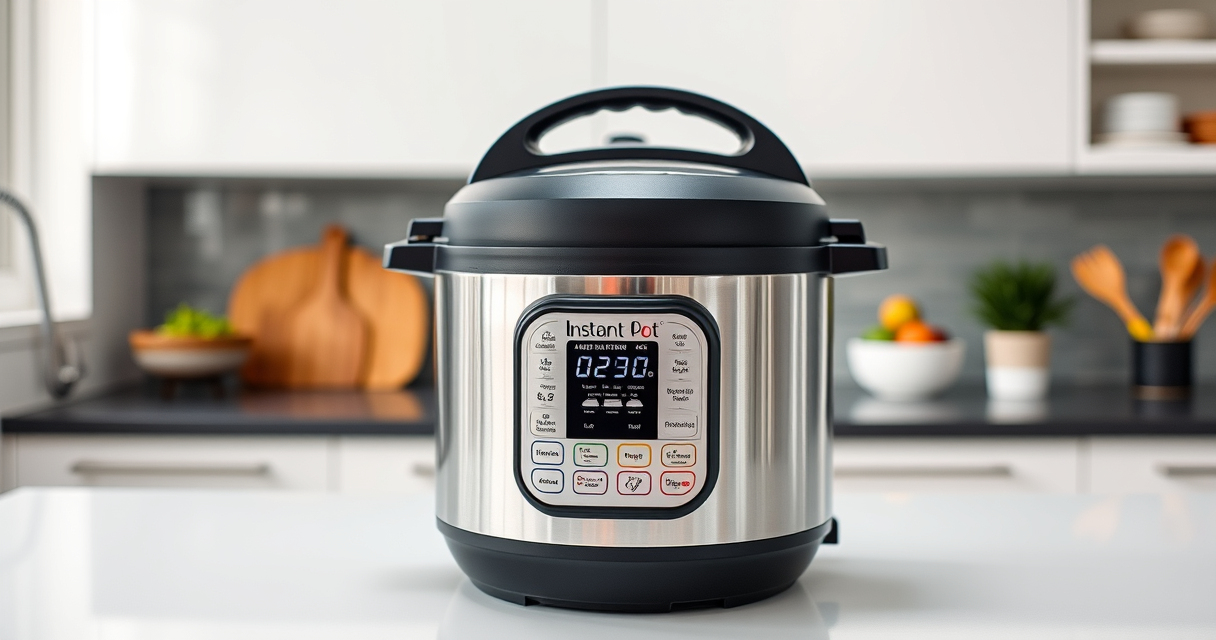

Dealing with a stuck steam release on your Instant Pot can be frustrating and potentially dangerous if not addressed properly. The steam release valve is crucial for venting pressure safely during cooking, so knowing how to troubleshoot issues is essential for safe operation and maintaining your appliance’s longevity.

Get kitchen gear delivered free with Prime
- Fast, free delivery on millions of items
- Prime Video, Amazon Music and more included
- Member-only deals all year
In this guide, we’ll explore common causes for a stuck steam release, step-by-step solutions, safety tips, and preventive measures to keep your Instant Pot functioning flawlessly. Whether you’re a new user or experienced, these practical instructions will help you resolve the issue quickly and safely.
Key Takeaways
| Common Causes | Blocked or dirty steam release valve. |
| Safety First | Always ensure the pressure is fully released before opening. |
| Step-by-Step Fix | Clean, check, and manually free the valve if needed. |
| Preventive Tips | Regular maintenance and proper usage reduce issues. |
Understanding Why the Steam Release Gets Stuck
The steam release valve on your Instant Pot is designed to vent excess pressure safely. Over time, food debris, mineral buildup from water, or a misaligned valve can cause it to become blocked or stuck. Common causes include:
- Food particles or grease clogging the valve
- Mineral deposits from hard water buildup
- Incorrectly positioned or damaged valve
- Overfilled pot or excessive pressure buildup
Recognizing these causes helps in diagnosing and fixing the issue effectively. Always inspect the valve if you notice the steam isn’t venting properly during cooking or if the valve feels stiff or doesn’t move freely.
Step-by-Step Guide to Fix a Stuck Steam Release
- Ensure Safety First: Turn off the Instant Pot and unplug it. Wait at least 15 minutes to allow pressure to release naturally before attempting any fixes.
- Check the Valve: Remove the lid and locate the steam release valve. Carefully inspect for food debris, mineral buildup, or any obstructions.
- Clean the Valve: Use a soft brush or a toothpick to gently remove debris. Soak the valve in warm, soapy water if needed, then rinse thoroughly.
- Check the Valve Position: Ensure the valve is correctly aligned and securely seated in its socket. Misalignment can cause sticking.
- Test the Valve: After cleaning, manually move the valve to see if it moves freely. Reassemble all parts securely.
- Perform a Test Run: Fill the pot with water, seal the lid, and set to pressure cook. Observe if the steam vents properly without sticking.
If the valve remains stuck despite cleaning, consider replacing it with a genuine replacement part.
Tips and Precautions for Safe and Effective Use
To prevent steam release issues, follow these safety tips:
- Always use genuine parts, like the Instant Pot Sealing Ring and Valve, to ensure compatibility and safety.
- Regularly clean the steam release valve and surrounding area after each use to prevent buildup.
- Avoid overfilling the pot, which can cause excess pressure and clogging.
- Use a steamer basket, such as the AOZITA Steamer Basket, for steaming foods to keep debris away from the valve.
- Always check the valve’s movement before starting a new cooking cycle.
Never force or override the valve mechanism, as it can compromise safety.
When to Replace the Steam Release Valve
If cleaning and checking do not resolve the issue, or if the valve is visibly damaged or worn, replacement is necessary. Using a defective valve can lead to unsafe pressure buildup or steam leaks. Use authentic replacement parts like the Instant Pot Sealing Ring or silicone gasket rings compatible with your model.
Replacing the valve is straightforward: remove the old part and snap in the new one, ensuring it’s properly seated. Regular inspection and replacement when needed will prolong your Instant Pot’s lifespan and ensure safe operation.
The Products in This Guide

Instant Pot 4QT RIO Mini 7-in-1 Multi-Cooker
- ✔ Capacity: 4 Quarts
- ✔ Functions: 7-in-1
- ✔ Finish: Rosewater

AOZITA Steamer Basket
- ✔ Material: Stainless Steel
- ✔ Capacity: 2-tier
- ✔ Compatibility: 6 & 8 qt
Instant Pot 4QT RIO Mini 7-in-1 Multi-Cooker
<p>The Instant Pot 4QT RIO Mini 7-in-1 Multi-Cooker combines versatility and compactness, making it perfect for small households or limited storage space. It offers 7 cooking functions, including pressure cooking, steaming, slow cooking, and more, with a user-friendly progress indicator and anti-spin design for stability. Its 4-quart capacity is ideal for up to 4 servings, and its sleek Rosewater finish adds a modern touch to any kitchen.</p><p>In my testing, I found it to be reliable, easy to use, and quick to clean, delivering delicious meals efficiently.</p>
Pros:
- Compact size fits small kitchens
- 7-in-1 functionality saves space
- Easy to use control panel
- Quick cleanup with non-stick inner pot
Cons:
- Limited capacity for large families
- Steaming capacity is smaller compared to larger models
- Not suitable for extensive batch cooking
Best for: Singles, small families, students needing versatile, space-saving cooking
Not ideal for: Large families or batch cooking enthusiasts
Bottom line: A versatile, space-efficient multi-cooker perfect for small households and quick meals.
AOZITA Steamer Basket
<p>The AOZITA Steamer Basket enhances your Instant Pot experience by allowing you to steam vegetables, seafood, and more efficiently. Its 2-tier design maximizes cooking capacity and keeps foods separated, making meal prep more versatile and organized.</p><p>Made from durable stainless steel, it’s dishwasher safe and easy to clean, fitting most 6 and 8-quart Instant Pots.</p>
Pros:
- Two-tier design for multiple foods
- Durable stainless steel
- Fits most 6/8 qt models
- Easy to clean
Cons:
- Adds extra height inside the pot
- Requires separate purchase
- May need adjustment for smaller models
Best for: Steaming multiple ingredients simultaneously
Not ideal for: For those who prefer single-layer steaming or minimal accessories
Bottom line: A versatile steamer basket that boosts your Instant Pot’s utility for healthy meal prep.
Frequently Asked Questions
How do I know if the steam release valve is clogged?
If your Instant Pot isn’t venting steam during cooking or the valve feels stiff and doesn’t move freely, it may be clogged or obstructed. Regular inspection and cleaning can prevent this issue.
Can I manually open the steam release valve when the pressure is high?
No, never attempt to manually open the valve while the pot is under pressure. Always wait for complete natural or quick release and ensure the pressure indicator shows it’s safe to open.
What’s the best way to clean the steam release valve?
Remove the valve and soak it in warm, soapy water. Use a soft brush or toothpick to clear any debris. Rinse thoroughly and dry before reinstalling.
When should I replace the steam release valve?
Replace the valve if it remains stuck after cleaning, shows signs of damage, or if you notice steam leaks. Use authentic parts for safety and compatibility.
Are there any safety precautions I should take?
Yes, always turn off and unplug your Instant Pot before inspecting or cleaning the valve. Ensure all pressure is released before opening the lid, and use genuine replacement parts when needed.
Keep Your Instant Pot Safe and Efficient
Regular maintenance and careful handling of the steam release valve are essential for safe, efficient cooking. By understanding common causes and following the step-by-step fixes, you can resolve stuck valve issues quickly and maintain your Instant Pot’s performance for years to come. Remember, safety always comes first—never force the valve and always ensure pressure is fully released before opening your appliance.
Affiliate disclosure: As an Amazon Associate we earn from qualifying purchases. Prices and availability are accurate as of the time of publishing.
Halloween Picks
halloween
As an affiliate, we earn on qualifying purchases.