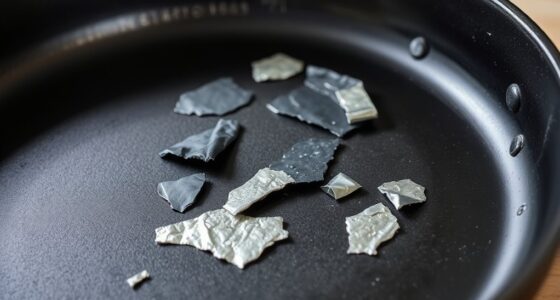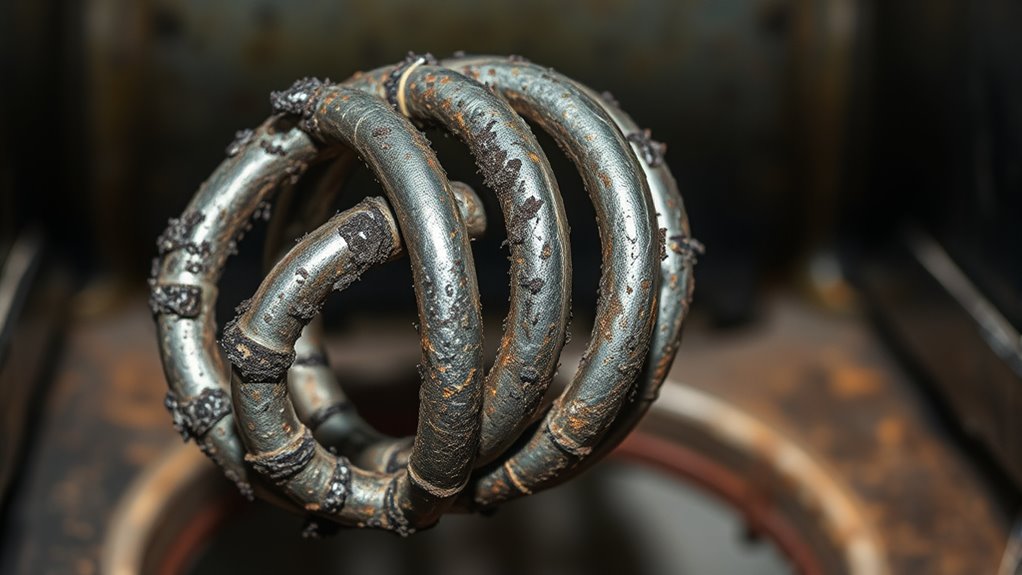

You should replace your heating element if you notice it’s not heating properly, makes unusual noises or smells, or shows visible damage like cracks, burn marks, or corrosion. Frequent circuit breaker trips or higher energy bills can also signal decline. If it’s several years old or if performance has worsened despite maintenance, it’s time for a replacement. Continue exploring to understand more signs that indicate your heating element needs attention.
Key Takeaways
- Replace the heating element if it shows visible cracks, corrosion, or burn marks indicating deterioration.
- If the element causes inconsistent heating or takes longer to warm, consider replacement.
- When the element is older than 3-5 years or exhibits frequent malfunctions, it’s time for a new one.
- Replace the element if you notice unusual noises, burning odors, or electrical issues like circuit breaker trips.
- Regularly inspect and replace the element if it’s damaged, worn, or no longer performs efficiently to ensure safety and energy savings.
Signs of Reduced Heating Performance

If your heating element isn’t working as efficiently as it used to, you’ll notice certain signs that indicate it may be time for a replacement. Reduced heating performance often shows through inconsistent heat output or longer heating times. You might also observe the element not reaching the desired temperature or frequent cycling on and off. Material compatibility plays a key role; if the wrong type of element is installed, it can lead to poor performance or damage. Additionally, installation considerations are essential—improper fitting or loose connections can hinder efficiency. If these issues persist despite basic troubleshooting, it’s a clear sign that your heating element may need replacement. Regular maintenance routines including checking for proper oil levels and filter conditions can help maintain optimal performance and prevent premature failure.
Unusual Noises or Odors During Operation

Unusual noises or odors during operation are clear signals that your heating element may be nearing the end of its lifespan. Noise detection is essential—you might hear grinding, banging, or sizzling sounds that aren’t normal. These noises often indicate internal damage or debris causing imbalance. Additionally, odor inspection can reveal burning or chemical smells, which suggest insulation or wiring issues. Ignoring these signs can lead to further damage or safety hazards. If you notice any abnormal sounds or odors, it’s time to think about replacing your heating element. Addressing these issues early helps prevent costly repairs and ensures your appliance runs safely and efficiently. Regular maintenance checks can help identify early warning signs before they become serious issues. Always investigate unusual noises or odors promptly to avoid potential hazards and maintain peak performance.
Visual Damage or Corrosion on the Element

If you notice visible surface damage or rust on your heating element, it’s a clear sign it might be failing. Corrosion and rust weaken the metal, reducing efficiency and increasing the risk of failure. Don’t ignore these signs—consider replacing the element before it causes further problems. Automation in business advancements can also help monitor and alert you to potential component failures.
Visible Surface Damage
Visible surface damage, such as cracks, burns, or corrosion, is a clear sign that your heating element is nearing the end of its lifespan. Cosmetic damage like surface cracks can compromise the integrity of the element, leading to more serious issues if left unchecked. You might notice small surface cracks or discoloration, which weaken the material and reduce efficiency. Burn marks or chipping can also signal deterioration. While minor cosmetic damage may seem harmless, it often indicates underlying issues that can cause failure later. If you see surface cracks or other visible damage, it’s a good idea to contemplate replacing the element soon. Addressing these signs early prevents unexpected breakdowns and helps maintain your appliance’s performance.
Rust and Corrosion Signs
Rust and corrosion on your heating element are clear signs that it’s deteriorating and may soon fail. Look for rust buildup on the surface, which indicates metal breakdown. Corrosion spots often appear as discoloration or flaky patches, suggesting moisture has penetrated the protective coating. These signs weaken the element’s structure, reducing efficiency and risking failure. If you notice rust or corrosion, it’s time to consider replacing the element before it causes further damage to your appliance. Ignoring these visual cues can lead to costly repairs or complete system failure. Regular inspection helps catch corrosion early, ensuring your heating element functions safely and effectively. Early detection of corrosion signs can prevent more extensive damage and extend the lifespan of your appliance. Don’t wait until it’s too late—address rust and corrosion signs promptly to maintain ideal performance.
Frequent Tripping of Circuit Breakers

Frequent tripping of circuit breakers is a clear sign that your heating element may be failing or drawing too much current. When you notice the circuit breaker trips repeatedly, it’s often due to overheating caused by a failing heating element. This issue can lead to persistent electrical problems and potential safety hazards. To troubleshoot, consider these factors:
- Overcurrent caused by a short circuit or ground fault
- Worn or damaged wiring connections
- Heating element failure leading to irregular resistance
- A sudden change in the electrical load can also trigger trips, indicating underlying issues with the system.
Addressing these problems promptly can prevent further damage or fire risks. Ignoring circuit breaker trips can result in severe electrical issues or complete system failure. If you encounter frequent trips, it’s essential to inspect the heating element and related wiring to determine if replacement is necessary.
Increased Energy Bills Without Explanation

If your energy bills are unexpectedly climbing, it could be a sign of hidden appliance issues, like a failing heating element. You might not notice the problem directly, but your utility costs tell the story. Addressing these hidden problems can help you save money and improve your system’s efficiency. For example, a malfunctioning Kia Tuning component like a heating element could be contributing to increased energy consumption.
Rising Utility Costs
When your utility bills suddenly rise without any change in your household habits, it can be a frustrating and confusing experience. This unexplained increase might indicate your heating element is losing efficiency, causing your system to work harder. To address this, consider implementing energy saving tips, like lowering thermostats or sealing drafts, to reduce overall consumption. You might also explore alternative heating options, such as space heaters or heat pumps, which can be more cost-effective. Additionally, inspecting your heating element for signs of wear or damage can prevent further energy waste. Remember, replacing an aging or malfunctioning heating element can considerably cut costs and restore efficiency, making your home more comfortable and budget-friendly. Regular maintenance helps avoid unnecessary utility expenses down the line, especially since energy efficiency plays a crucial role in controlling utility costs.
Hidden Appliance Issues
Detecting hidden appliance issues can be challenging, especially when your energy bills spike without any obvious reason. Sometimes, appliances work against you silently, increasing energy consumption without noticeable signs. To troubleshoot effectively, consider alternative troubleshooting methods. Check if your appliance’s compatibility with your current system is intact, as incompatibility can cause inefficiency. Additionally, understanding the contrast ratio of your appliances can help identify performance issues that contribute to inefficiency.
Visible Burn Marks or Discoloration

Visible burn marks or discoloration on your heating element are clear signs that it’s time to contemplate a replacement. These cosmetic damages often indicate the element has been subjected to excessive heat or electrical issues. Discoloration may also point to manufacturing defects that compromise performance and safety. Ignoring these signs can lead to further damage or even a fire hazard. When inspecting, look for:
Burn marks or discoloration signal the need to replace your heating element for safety and performance.
- Uneven or darkened areas indicating overheating
- Cracks or pitting from prolonged wear
- Discoloration inconsistent with normal use, hinting at manufacturing flaws
- Proper maintenance is essential to prevent such damages and ensure the longevity of your heating element.
If you notice any of these signs, it’s best to replace the heating element promptly to maintain safety and efficiency. Don’t overlook cosmetic damage, as it often signals deeper issues that could worsen over time.
Inconsistent or Uneven Heating Results

If your appliance isn’t heating evenly or you notice hot and cold spots, it’s a sign that your heating element may be failing. This affects temperature regulation and reduces heating efficiency, making your appliance work harder. Over time, uneven heat distribution indicates the element isn’t functioning properly. Check for inconsistent heating patterns, which can lead to discomfort or improper cooking. Being aware of symptoms of appliance failure can help you identify issues early before they cause more significant problems. Replacing your heating element restores proper temperature regulation and improves heating efficiency.
Age of the Heating Element and Replacement Guidelines

The age of your heating element plays a crucial role in determining when it needs replacing. As it ages, age-related deterioration can reduce efficiency and increase the risk of failure. Typically, most heating elements have a lifespan estimation of about 3 to 5 years, though this varies based on usage and maintenance. Keep an eye out for these indicators:
Heating elements typically last 3 to 5 years; monitor for corrosion, failures, or reduced performance.
- Visible signs of corrosion or rust
- Frequent malfunctions or failures
- Decline in heating performance despite proper operation
Understanding these guidelines helps you avoid unexpected breakdowns and ensures maximum safety. While age alone isn’t the sole factor, a longer service life warrants closer inspection. Replacing your heating element proactively based on its age and condition can save you time and money in the long run.
Routine Maintenance and Inspection Checks

Regular maintenance and inspection checks are key to ensuring your heating element operates safely and efficiently. By performing preventive maintenance, you can catch issues early before they become costly repairs or safety hazards. Use diagnostic tools, like multimeters or thermal cameras, to assess the element’s condition accurately. Regularly inspect for signs of wear, corrosion, or buildup that can impair performance. Cleaning the element and its surroundings helps maintain ideal heat transfer. Keeping detailed records of inspections allows you to track changes over time and identify patterns that signal when replacement might be necessary. Don’t skip these checks—routine maintenance keeps your heating system running smoothly and extends its lifespan, saving you money and preventing unexpected breakdowns.
Frequently Asked Questions
How Long Does a Typical Heating Element Last?
A typical heating element lasts about 3 to 5 years, but it varies based on usage and maintenance. Regular maintenance tips, like cleaning and inspecting for corrosion, can extend its lifespan. Troubleshooting steps include checking for electrical issues or visible damage. If you notice inconsistent heating or strange noises, it’s time to contemplate replacing it to prevent further problems. Stay proactive to ensure your heating system operates efficiently and safely.
Can a Heating Element Be Repaired or Only Replaced?
You might wonder if your heating element can be repaired or only replaced. Typically, repair options are limited because a damaged element usually needs to be replaced for reliable performance. During the replacement process, you’ll disconnect the faulty element and install a new one. Repairing often isn’t practical, especially if the element has significant wear or cracks. So, replacement tends to be the most effective and safest solution.
What Safety Precautions Are Needed Before Replacing an Element?
Like a cautious explorer preparing for a journey, you must prioritize electrical safety before replacing a heating element. Turn off the power supply and unplug the device to prevent shocks. Wear protective gear such as insulated gloves and safety goggles to shield yourself from potential hazards. Always double-check that no residual current remains. These precautions safeguard you, ensuring a safe replacement process and preventing accidents or injuries.
How Do I Choose the Right Replacement for My Appliance?
To choose the right replacement, start by checking your appliance’s manual for the correct material compatibility, ensuring the new element matches the original specifications. Consider cost, but don’t sacrifice quality—cheaper options might not last. You should also verify the wattage and size fit your appliance. Doing this helps you select an effective, durable heating element that works safely and efficiently, saving you time and money in the long run.
Is It Better to Replace a Heating Element Early or Wait?
You might think waiting to replace a heating element saves money, but that isn’t always true. Investigate the theory that early replacement is costly; often, it prevents more expensive repairs later. Consider cost considerations and appliance compatibility—replacing early can avoid damage to other parts. If your appliance shows signs of wear, replacing the heating element promptly guarantees efficiency, safety, and long-term savings.
Conclusion
Knowing when to replace your heating element is key to keeping your system running smoothly. Pay attention to signs like unusual noises, visible damage, or rising energy bills—these are red flags. Regular maintenance can catch issues early, saving you from bigger headaches. Remember, an ounce of prevention is worth a pound of cure; don’t wait until it’s too late. Stay vigilant, and your heating system will serve you well for years to come.