
TL;DR
A homeowner shares how they successfully added smart capabilities to a non-smart AC unit without risking their security deposit. The guide covers safe, non-invasive methods and legal considerations.
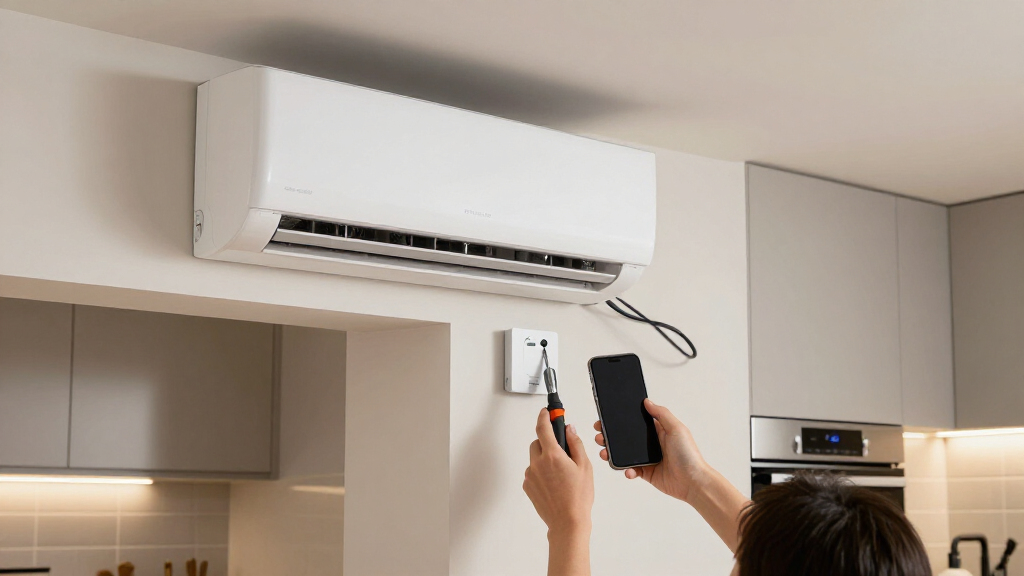
A homeowner has revealed how they successfully turned a basic, non-smart air conditioning unit into a smart device without risking their security deposit. This approach offers a practical solution for renters and homeowners who want smart home features without invasive modifications or violating lease agreements.

Get kitchen gear delivered free with Prime
- Fast, free delivery on millions of items
- Prime Video, Amazon Music and more included
- Member-only deals all year
The method involves using external, non-permanent smart plugs and sensors that do not require wiring or structural changes to the AC unit. The homeowner emphasized that these devices can be easily installed and removed without leaving damage or traces that could jeopardize a security deposit. According to the homeowner, the key is selecting devices that do not require modifications to the electrical system or the unit itself.
Experts confirm that using high-quality, energy-efficient smart plugs and wireless sensors is a safe way to add remote control and monitoring features. These devices connect via Wi-Fi or Bluetooth and can be controlled through smartphone apps. The homeowner also highlights the importance of ensuring that any added devices do not interfere with the AC’s operation or violate lease agreements.
There are no reports of damage or security deposit issues resulting from this method, and it is considered a low-risk, reversible upgrade for renters and homeowners alike.
Practical Impact for Renters and DIY Enthusiasts
This development matters because it provides a simple, affordable way for renters and DIY enthusiasts to upgrade their home comfort systems with smart features without risking their security deposit. It offers a solution for those who want remote control, scheduling, or energy monitoring without invasive modifications or professional installation. The approach could influence how smart home upgrades are approached in rental situations, emphasizing non-permanent, non-invasive methods.
Products Worth Considering

Instant Pot Duo Crisp 8-Quart 11-in-1 Air Fryer and Pressure Cooker

Breville Smart Grinder Pro Conical Burr Coffee Grinder, Brushed Stainless Steel

Ninja Sizzle Indoor Grill and Griddle, 14-Inch, 500°F, Grey/Silver (GR101)
As an affiliate, we earn on qualifying purchases.
Background on Smart Home Upgrades and Rental Restrictions
Many renters face restrictions on modifying appliances or wiring, making traditional smart upgrades challenging. Typically, installing smart thermostats or wiring changes requires landlord approval and can risk damage that affects security deposits. Recent trends show increasing demand for smart home features, but legal and lease limitations often prevent permanent modifications. This context underscores the importance of non-invasive, temporary solutions like smart plugs and wireless sensors, which are gaining popularity as accessible alternatives.
“Using external smart plugs and wireless sensors, I was able to add smart features to my AC without any damage or risk to my security deposit.”
— Homeowner
Limitations and Potential Risks of Non-Permanent Smart Upgrades
While the method appears effective, it is not yet clear how universally applicable it is across different AC models or in more complex setups. There is also limited data on whether landlords might still object to external devices, or if some smart plugs might interfere with the AC’s operation. The long-term reliability and safety of wireless sensors in humid or outdoor environments remain to be fully evaluated. Additionally, legal considerations about smart device placement in rental units are still evolving.
Next Steps for DIY Smart Upgrades and Rental Policies
Homeowners and renters interested in this approach should research compatible devices and confirm lease agreements allow external smart devices. Manufacturers may develop more specialized, rental-friendly smart solutions. Future developments could include standardized guidelines for non-invasive upgrades and clearer legal frameworks to protect tenants. Monitoring reviews and case studies will help assess the long-term effectiveness and safety of these methods.
Key Questions
Can I use this method on any AC unit?
This approach works best with standard, portable AC units that have accessible power outlets. It may be less effective or not applicable for built-in or window-mounted units with complex wiring.
Will using smart plugs void my rental agreement?
Most landlords do not object to external, non-invasive devices like smart plugs, but it’s advisable to review your lease or seek permission if unsure. These devices do not cause damage or require modifications.
Are there safety concerns with wireless sensors outside?
Wireless sensors should be rated for outdoor use if placed outside. Ensure they are weatherproof and installed according to manufacturer instructions to prevent damage or malfunction.
What if my landlord finds out I’ve added smart devices?
Since the method involves non-permanent, external devices, it is less likely to cause issues if disclosed or if devices are removed before inspection. Always review your lease and local laws.
Source: hn