TL;DR
A turkey roasting pan is an oven-safe pan that holds a whole bird and catches its juices, but the right choice depends on the turkey’s dimensions, your oven’s usable space, and whether you want to make gravy on the stovetop. Check the pan’s interior size, sturdy handles, material limits, and rack before buying; a roasting pan is optional if a sturdy rimmed baking sheet and rack safely hold a smaller bird.
The turkey can fit in the pan and still fail to fit through your oven door with room for your hands. That small mismatch can turn Thanksgiving into a hot, awkward balancing act, especially when the bird is heavy and the drippings are sloshing.

Get kitchen gear delivered free with Prime
- Fast, free delivery on millions of items
- Prime Video, Amazon Music and more included
- Member-only deals all year
Turkey roasting pans hold the bird and catch its juices, but choosing one takes more than matching a weight printed on a label. You’ll learn how to check the fit, choose a material and rack, roast safely, and decide whether you need a dedicated pan at all. A little measuring now can make the moment you lift that golden bird much calmer.
Measure the turkey, pan interior, and oven’s usable space; weight alone doesn’t confirm a safe fit.
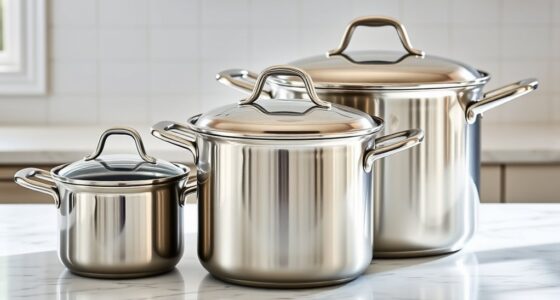
Choose stainless steel if stovetop gravy-making matters, but confirm stovetop and cooktop compatibility for the exact model.
A rack lifts the turkey for airflow, while a bed of sturdy vegetables can serve as a support when you don’t have one.
A rimmed baking sheet with a rack can roast a smaller bird if it is stable, oven-safe, and deep enough to hold drippings.
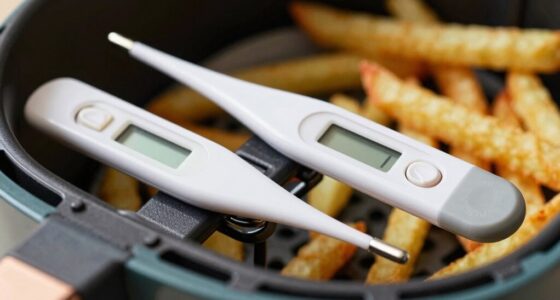
Check both the thickest breast and innermost thigh for 165°F (74°C), with the thermometer clear of bone.
Measure your bird and oven before you buy
A turkey roasting pan should fit the bird without crowding it and fit your oven with enough room to slide it in and out safely. Compare the turkey’s actual length and width with the pan’s interior dimensions, then check the oven’s usable space, including the racks and door opening. The weight alone cannot answer any of those questions.
Say you’re buying a 16-pound turkey. That number doesn’t tell you whether its broad breast and long legs will sit comfortably in a particular pan. Measure the bird if you can, or check its packaging dimensions, and look at the pan’s flat cooking area rather than its outside rim-to-rim size. A bird pressed against the pan’s sides has less room for heat to circulate and may be harder to turn or lift; a pan that is much wider can leave juices spread thinly, making them more likely to scorch.
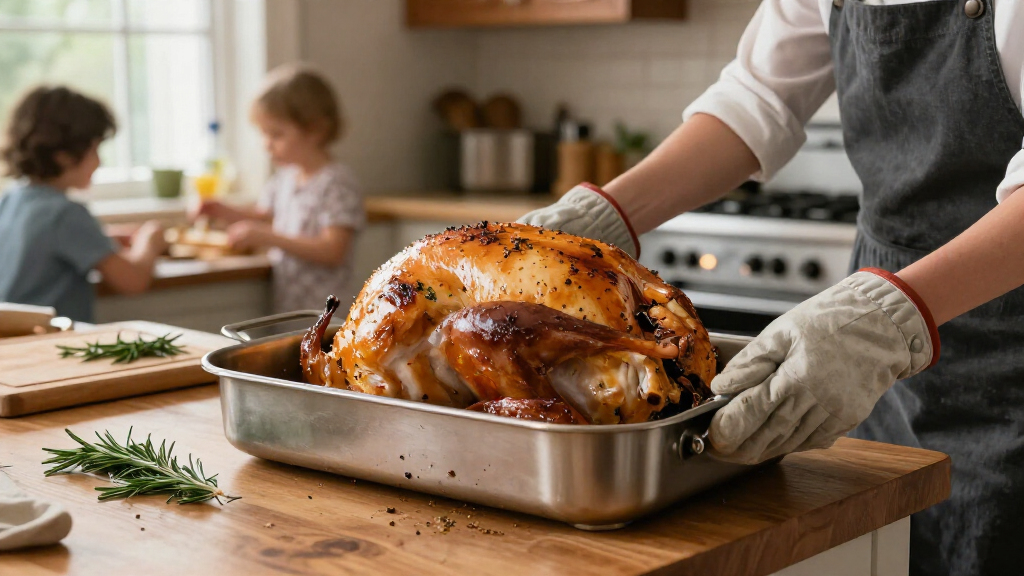
Then measure the oven with the rack in the position you’ll use. Include the door opening and account for the handles: you need enough clearance to grip them in oven mitts, not merely enough room for the pan to sit inside. A pan that just barely slides in while empty may be tough to handle once it holds a hot bird and several cups of drippings. The usable oven space and safe handling clearance matter as much as pan capacity because a loaded pan is heavier, less stable, and more difficult to correct if it catches on a rack.
Think of the fit as a three-part check: bird, pan, oven. If one doesn’t work, consider a smaller turkey or a different roasting setup before the day you plan to cook. Solving the fit in advance also helps you avoid discovering that the oven rack needs repositioning after the bird is already hot.
Products Worth Considering

Ninja Air Fryer XL, 6.5 Qt, 6-in-1, MaxCrisp, Dark Grey (AF181)

Le Creuset Alpine Enameled Cast Iron Fondue Set, 2.5 qt., Nuit

De'Longhi La Specialista Touch Semi-Automatic Espresso Machine with Grinder
As an affiliate, we earn on qualifying purchases.
Choose a pan material that suits your gravy plans
Stainless steel suits cooks who want a durable pan that can often move from the oven to the stovetop for gravy, provided the maker approves that use. Other materials can roast well too, but their heat limits, cleanup needs, and stovetop compatibility vary by product. Check the specific pan’s instructions before you put it over a burner.
Imagine the turkey has come out to rest and you want to turn the browned bits into gravy. With a stovetop-safe stainless-steel pan, you may be able to add broth and scrape those flavorful bits right in the pan. That keeps the fond—the browned juices and bits left after roasting—in the gravy and saves a transfer. A pan that is oven-only calls for transferring the drippings to a saucepan instead, which adds a dish but may be the safer or simpler option for your setup.
Aluminum heats efficiently, but it may react with acidic ingredients unless the pan has a suitable lining or finish. Enameled steel is easy to clean, though a dropped pan or rough handling can chip the coating; a chip can expose the metal underneath and makes gentle care more important. Nonstick finishes can release food easily, but high heat, metal utensils, or stovetop use may exceed the maker’s limits. These are useful distinctions, not a universal ranking: a well-made pan that fits your routine beats a feature you won’t use.
Look for the care and heat instructions for the exact model. Claims such as induction compatibility, dishwasher safety, or stovetop use apply to particular products; they don’t automatically apply to every pan made from that material. If stovetop gravy is central to your cooking, verify the pan’s compatibility with your burner and consider whether its broad base will heat evenly on it.
Pick a shape and rack that help the turkey brown
A relatively shallow pan with a rack gives hot air room to move around the turkey while catching drippings below. A very deep pan can shield the lower part of the bird from heat, which may make browning less even. Still, the pan needs enough depth to contain the juices as the turkey cooks. The tradeoff is practical: a shallow pan can encourage more even browning, while a deeper one offers more protection against splashes and overflow.
A rack lifts the bird out of the drippings. V-shaped racks cradle the turkey; flat racks can be easier to use for other roasts or vegetables. For example, if you roast a turkey one week and a tray of vegetables the next, a flat rack may earn its storage space more often. A rack helps, but you don’t have to buy one to roast successfully. Keeping the bird above the liquid can help the underside roast rather than stew, though the rack itself may need cleaning after drippings bake onto it.
If your pan has no rack, arrange sturdy vegetables such as carrots, celery, and onion beneath the bird. They raise it above the pan and absorb some of the drippings, adding a savory smell as they soften. They also occupy space that might otherwise hold liquid, so use enough pan depth to contain what runs off. Set the turkey breast-side up, and make sure the bird sits steadily rather than rocking when you move the pan.
The right depth balances two jobs: airflow around the bird and enough space for drippings. When comparing pans, consider the shape of the turkey you cook and whether you’ll also use the pan for other meals. A rack that fits securely and lifts out easily can make both serving and cleaning less awkward.
Use a backup pan when a full roasting pan isn’t necessary
You don’t need a dedicated roasting pan to roast every turkey. A sturdy, rimmed baking sheet with a rack can work for a smaller bird if it stays stable and the sheet can hold the drippings without spilling. The key is a secure setup rated for oven use and large enough for the bird. The lower rim of a baking sheet can make it easier to slide into an oven, but it also leaves less room for liquid than a deeper roasting pan.
Picture a small turkey in a city apartment where cabinet space is tight. If it sits securely on a rack over a rimmed sheet, that setup may be more practical than storing a bulky roasting pan for one annual meal. But a sheet that is too shallow, flimsy, or crowded can buckle or spill when you pull it from the oven. Don’t gamble on a pan that flexes under the bird: flex makes hot juices more likely to slosh, and a rack that shifts can make lifting the turkey unsafe.
A larger turkey generally calls for a pan rated for its load, with sturdy, securely attached handles. A baking dish might work if it’s oven-safe, sized correctly, and deep enough for the juices; avoid assuming that a decorative dish is safe at roasting temperatures. Cold glass or ceramic can break if placed in a hot oven unless its manufacturer says it can handle that use. A heavier dish can also be harder to grip, so account for its weight along with the turkey and drippings.
Before cooking, check the whole setup: pan stability, oven safety, room for drippings, and a clear path to the counter. A safe pan designed for one bird may be a poor choice for another, even if both fit the same recipe. If any part feels unstable when cool, it will be harder to manage once hot.
Follow these steps for a safer, more even roast
For an even roast, use a stable pan, give hot air room to circulate, and check the turkey’s temperature in the thickest breast and innermost thigh. Both spots should reach 165°F (74°C); keep the thermometer tip away from bone. The breast and thigh cook differently, so checking both prevents a browned exterior from being mistaken for doneness throughout. A roasting pan helps with handling and drippings, but it doesn’t tell you when the meat is done.
- Check the setup: Confirm that the oven rack, pan, and turkey fit with room to handle the hot pan safely. A stable path to the counter matters because tilting the pan can spill hot fat.
- Raise the bird: Set it breast-side up on a rack, or on a bed of sturdy vegetables if you don’t have one. This keeps the underside out of pooled liquid and leaves space for juices to collect.
- Roast according to your recipe: Follow its timing and covering instructions. If the skin browns too quickly, loosely tent the bird with foil as the recipe allows; this slows surface browning while the interior continues cooking.
- Check the temperature: Measure the breast and innermost thigh, avoiding bone, and confirm each reaches 165°F (74°C). If one spot is below that temperature, continue roasting and check again.
- Rest before carving: Let the turkey rest, then use the pan drippings for gravy if you like. Separate excess fat first when needed; resting also gives the juices time to settle before carving.
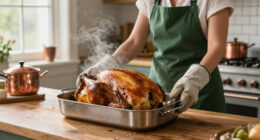
For instance, the breast might look beautifully bronzed while the thigh still needs more time. A thermometer gives you a reliable check instead of asking the skin color to do two jobs. Use oven mitts with a secure grip when moving a heavy pan, and clear the counter before you lift it.
Make cleanup easier without damaging the finish
Let the pan cool, then soak stuck-on drippings in warm water and use a cleaner and utensil suited to its surface. This softens the browned bits so you can work them loose without scraping at a coating or enamel. Avoid sudden temperature changes if the maker warns against them; hot pans can be damaged by cold water, and some surfaces can warp or crack. The maker’s care instructions take precedence, especially for nonstick finishes and pans with lids or special handles.
Consider the cook who finishes dinner, serves the turkey, and finds a dark ring of drippings baked onto the pan. A soak can loosen that residue; aggressive scouring may scratch a nonstick surface or chip enamel. For stainless steel, you may have more cleaning options, but follow the product guidance and avoid assuming every finish tolerates the same treatment. Gentle cleaning takes longer at first, but it helps preserve the surface and keeps food from catching in damaged areas later.
Dishwasher claims also depend on the specific pan’s material, coating, and construction. Hand-washing can help preserve finishes, and it gives you a chance to inspect handles and the pan’s surface before you store it. Dry the pan well, especially around joints where water may collect. Checking handles matters because loosening or damage can turn an otherwise useful pan into a handling risk when it is loaded.
Cleanup is part of the buying decision: a pan that roasts beautifully but takes more care than you want may not suit your kitchen. Check dishwasher guidance, surface limits, and storage needs before buying, and the pan will be ready when the next turkey comes around. If space is limited, a pan that nests with other cookware or serves several roasting jobs may be easier to keep than a larger model used once a year.
Frequently Asked Questions
What size roasting pan do I need for a turkey?
There is no universal pan size for a given turkey weight. Compare the bird’s actual dimensions with the pan’s interior, then check that the loaded pan fits the oven with enough room to handle it safely.
Can I roast a turkey without a roasting pan?
Yes. A sturdy rimmed baking sheet with a rack or a suitable oven-safe dish can work for a bird that fits securely. Make sure the setup is stable and deep enough to hold the drippings.
Do I need a rack in my turkey roasting pan?
No, but a rack lifts the turkey above the drippings and helps hot air circulate. If you don’t have one, sturdy vegetables can support the bird, as long as it sits securely.
Which material is best for turkey roasting pans?
Stainless steel is a versatile option, especially if you want to make gravy in the pan on the stovetop and the maker approves that use. Aluminum, enamel, and nonstick pans can also work; compare their heat limits, care instructions, and cooking features.
Can I put a turkey roasting pan on the stovetop?
Only if the manufacturer says the pan is safe for your cooktop and burner type. A large pan may not heat evenly on a small burner, so check both the pan’s instructions and your cooking setup.
How do I know when my turkey is done?
Use a food thermometer to check the thickest part of the breast and the innermost part of the thigh. Each should reach 165°F (74°C), and the thermometer tip should not touch bone.
Conclusion
Choose your pan by checking the bird, the oven, and the way you want to cook—not by trusting a weight label alone. A sturdy, properly sized setup makes it easier to roast evenly, move the turkey safely, and turn the drippings into gravy.
Measure before you buy, follow the maker’s heat and care instructions, and use a thermometer to check doneness. Then let the bird rest while the warm, savory smell of dinner fills the kitchen.