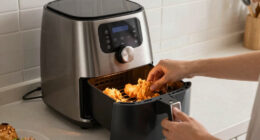

When choosing oils for air frying, focus on those with high smoke points like avocado, canola, or grapeseed oil to prevent smoke and burnt flavors. These oils handle the high heat well and keep your food crispy without breaking down. Also, consider flavor—light oils won’t overpower dishes, while robust ones add extra taste. To get the best results and understand more about selecting the perfect oil, keep exploring the options and tips ahead.
Key Takeaways
- Select oils with high smoke points (above 400°F) like avocado, refined canola, or grapeseed to prevent smoke and flavor degradation.
- Prioritize healthy fats such as monounsaturated and polyunsaturated oils for nutritional benefits and flavor enhancement.
- Consider flavor profiles: olive oil adds richness, while avocado oil offers a neutral taste suitable for various dishes.
- Use light or refined oils for high-temperature air frying to avoid burnt flavors and unhealthy smoke production.
- Balance flavor and versatility by choosing oils that complement the dish’s profile while maintaining stability at high heat.

When it comes to air frying, choosing the right oil is essential for achieving crispy, flavorful results without excess fat. Your goal is to select oils that not only withstand high temperatures but also contribute to a healthier diet. Healthy fat options are key here, as they can improve the nutritional profile of your meals without sacrificing taste or texture. Oils rich in monounsaturated and polyunsaturated fats, such as olive oil, avocado oil, and certain nut oils, are excellent choices. They provide healthy fats that support heart health and help reduce inflammation. Plus, these oils are versatile enough to complement a variety of dishes, from crispy vegetables to chicken wings, enhancing flavor without overpowering it.
The smoke point of an oil is a critical factor to weigh because it determines how well the oil can handle the high temperatures used in air frying. When an oil exceeds its smoke point, it begins to break down, producing smoke and potentially harmful compounds. For air frying, you want oils with high smoke points—typically above 400°F (204°C). For example, avocado oil has one of the highest smoke points among cooking oils, making it ideal for air frying at higher temperatures. Similarly, light or refined oils like canola, grapeseed, and peanut oil are suitable because they can sustain the intense heat without degrading. Using oils with appropriate smoke points ensures your food gets crispy and golden without the risk of burnt flavors or unhealthy smoke.
Flavor enhancement is another important consideration. Some oils add a subtle or distinct flavor that can elevate your dish. Extra virgin olive oil, for instance, imparts a rich, fruity note that pairs well with Mediterranean-inspired foods. Avocado oil has a mild, buttery flavor that’s nearly neutral, making it versatile in many recipes. When selecting oils, think about the flavor profile you want to achieve. Lighter oils tend to be more neutral, letting the natural flavors of your ingredients shine through, while more robust oils can add an extra layer of taste. Remember, you don’t need to drown your food in oil—just a light coating is enough to promote crispiness and enhance flavor without excess calories.

NutriChef Indoor Smokeless Grill | Smart Grill & Air Fryer with 7 Cooking Functions | 6L Capacity | Includes Smart Thermometer | Precise Temperature Control | Non-Stick Removable Grill Plates
VERSATILE COOKING MASTERPIECE - Unleash your culinary creativity with this all-in-one Smart Electric Grill and Air Fryer combo....
As an affiliate, we earn on qualifying purchases.
Frequently Asked Questions
Can I Reuse Air Fryer Oils Safely?
You can reuse air fryer oils safely if you filter the oil after each use to remove food particles and debris. Regular oil filtration helps maintain oil quality and prevents smoke. Remember, avoid oil recycling if the oil smells rancid or has turned dark, as it can produce harmful compounds. Properly storing and monitoring your oil guarantees safer reuse, making your cooking healthier and more economical.
How Does Oil Flavor Impact Air-Fried Food Taste?
Oil flavor considerably impacts your air-fried food’s taste because oil aroma can transfer to your food, enhancing or overpowering its natural flavors. When you use strongly flavored oils, this flavor transfer can alter the overall dish, so choose oils that complement your ingredients. Mild oils preserve the food’s natural taste, while fragrant oils add depth. Be mindful of oil aroma to create delicious, well-balanced air-fried meals.
Are There Health Benefits to Specific Cooking Oils?
Think of certain cooking oils as nature’s superfoods—they pack a punch with health benefits. Some healthier oil options, like extra virgin olive oil or avocado oil, offer antioxidant properties that help combat oxidative stress. Using these oils can support your heart health and reduce inflammation. Incorporating them into your air frying routine not only enhances flavor but also boosts your overall wellness, making each bite a smarter choice.
Does Oil Type Affect Cooking Time or Crispiness?
Yes, oil type can affect cooking time and crispiness. Heavier oils with higher smoke points, like avocado or canola, promote better oil absorption and create a consistent, crispy coating. Lighter oils may not produce as much crispiness and can lead to uneven cooking. Your choice of oil influences how well the food crisps up and how evenly it cooks, so select based on the desired texture and cooking effect.
How Should I Store Leftover Cooking Oils?
Did you know that improperly stored oils can turn rancid in just a few months? To prevent this, store leftover cooking oils in a cool, dark place away from heat and light. Use airtight containers to avoid oxidation, which accelerates rancidity. Proper oil storage extends freshness, preserves flavor, and keeps your oils safe for future use, making your cooking healthier and more enjoyable.
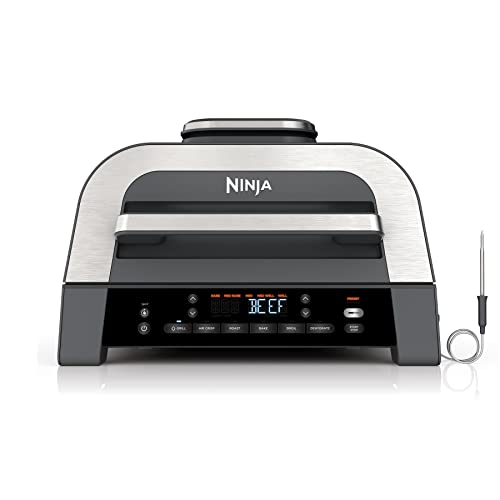
Ninja DG551 Foodi Smart XL 6-in-1 Indoor Grill with Air Fry, Roast, Bake, Broil, & Dehydrate, Foodi Smart Thermometer, 2nd Generation, Black/Silver
NINJA FOODI SMART XL GRILL: Updated, sleek design with the same functions & benefits. Indoor countertop Grill and...
As an affiliate, we earn on qualifying purchases.
Conclusion
Now that you’ve got the scoop on smoke points and flavors, you’re all set to pick the perfect oil for your air fryer adventures. Remember, just like a trusty squire, your oil choice can make or break your culinary quest. So go forth, choose wisely, and enjoy crispy, delicious results—no need to call upon Merlin. With the right oil, your kitchen will become the modern-day Round Table of flavor and finesse!
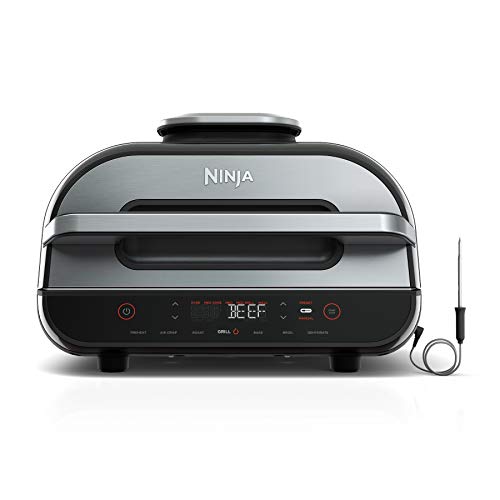
Ninja | Indoor Grill and Air Fryer| Foodi Smart XL | 6-in-1 Grill, Air Fry, Roast, Bake, Broil, Dehydrate & Crisp |Smart Thermometer & Splatter Shield | Dishwasher Safe Parts | Black/Silver | FG551
SMART INDOOR GRILL & AIR FRYER COMBO: The Ninja Foodi Smart XL Grill is an all-in-one indoor electric...
As an affiliate, we earn on qualifying purchases.

Candy Indoor Grill & Air Fryer with Ceramic Accessories, 500°F Max, 7-IN-1 Digital Display, 5.2 QT Electric Low Smoke with View Window, Smart Thermometer, Crisp, Roast & Dehydrate, Easy Clean, 1500W
Low-Smoke Indoor Grilling With a Sealed Lid Design: The sealed lid and optimized airflow reduce smoke and odors...
As an affiliate, we earn on qualifying purchases.