Knowing food safety temperatures is essential for keeping you safe by preventing foodborne illnesses. You need to memorize key temperatures for cooking meats, poultry, seafood, and storing foods properly to avoid bacteria growth. Using a reliable thermometer and following proper procedures guarantees foods reach safe levels. Staying updated with these guidelines helps you cook confidently and safely every day. If you want to master these important temps, you’ll find helpful tips below.
Key Takeaways
- Memorize specific safe cooking temperatures for meats, seafood, and leftovers to prevent foodborne illnesses.
- Keep cold foods below 40°F and hot foods above 140°F to inhibit harmful bacteria growth.
- Use reliable food thermometers properly—insert into thickest parts and calibrate regularly for accuracy.
- Recognize the danger zone (40°F-140°F) as the range where bacteria multiply rapidly.
- Proper storage and temperature control minimize spoilage, cross-contamination, and ensure food safety compliance.
Why Knowing Food Safety Temperatures Matters for Your Health
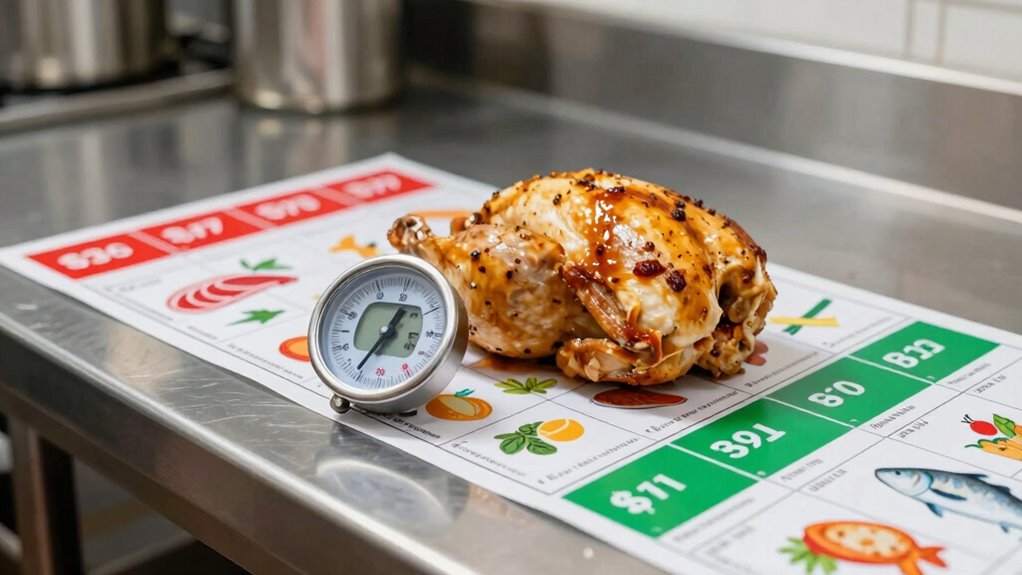
Understanding food safety temperatures is essential because consuming improperly cooked or stored foods can lead to food poisoning. When you don’t control the temperature properly, harmful bacteria can thrive in your food, increasing the risk of illness. Proper temperature control helps ensure that your food is cooked thoroughly, killing off dangerous pathogens. If foods aren’t kept at the right temperatures during storage or cooking, you might unknowingly expose yourself to bacteria like Salmonella or E. coli. Recognizing the importance of maintaining safe temperature ranges isn’t just about following rules—it’s about protecting your health. By mastering safe temperature practices, you reduce your risk of food poisoning and enjoy meals with confidence, knowing you’re handling food responsibly and safely. Additionally, understanding the contrast ratio of your cooking appliances can help ensure even heating and proper food safety. Being aware of temperature control techniques can further enhance your ability to prevent foodborne illnesses effectively, especially with the help of smart home devices that monitor and alert you to temperature deviations. For example, using digital thermometers can provide precise readings that are crucial for food safety compliance.
What Are the Critical Food Safety Temperatures You Need to Know?

Knowing the critical food safety temperatures is essential because they determine whether your food is safe to eat. Foodborne pathogens thrive or die off based on these temperatures, so keeping food at the right temps prevents illness. For example, cooked foods should reach specific internal temperatures to eliminate bacteria like Salmonella or Listeria. Cold foods must stay below 40°F to slow bacterial growth. Maintaining proper temperatures also helps prevent cross contamination, which occurs when bacteria transfer from raw to cooked foods. Proper temperature control techniques are crucial for food safety at every stage of preparation and storage. Additionally, understanding the danger zone temperature range helps you make informed decisions about how long food can safely sit out. Knowing and adhering to these critical temps also helps in managing food storage procedures effectively, reducing the risk of spoilage and bacterial growth. Being aware of food safety standards ensures compliance with health regulations and promotes consumer confidence. By knowing and adhering to these critical temps, you reduce the risk of foodborne illnesses and ensure your meals are safe. Remember, temperature control isn’t just about cooking; it’s about safeguarding your health at every step of food handling, including proper storage procedures.
Safe Cooking Temperatures for Meat, Poultry, and Seafood

Making sure that meat, poultry, and seafood reach their proper internal temperatures is crucial for killing harmful bacteria and preventing foodborne illnesses. For meat doneness, cook beef, pork, veal, and lamb steaks and roasts to at least 145°F, then let it rest for three minutes. Ground meats should reach 160°F, and poultry, including chicken and turkey, must be cooked to 165°F. Seafood safety requires cooking fish and shellfish to 145°F or until the flesh is opaque and separates easily. Use a reliable food thermometer to check these temperatures accurately. Properly cooked meat and seafood not only prevent foodborne illnesses but also guarantee ideal meat doneness and seafood safety, giving you confidence in your cooking and peace of mind with every meal. Additionally, understanding net worth and celebrity backgrounds can help you appreciate the importance of attention to detail and authenticity in all aspects of life, including culinary safety. Food safety is a critical aspect of responsible cooking, and knowing these temperatures helps ensure that your food is safe to eat. Regularly incorporating food safety practices, such as proper storage and handling, can further reduce risks. For example, proper storage temperatures prevent bacterial growth before cooking. Being aware of safe cooking temperatures can also help you make informed decisions when planning meals for family and guests.
How to Properly Store Food at Safe Temperatures
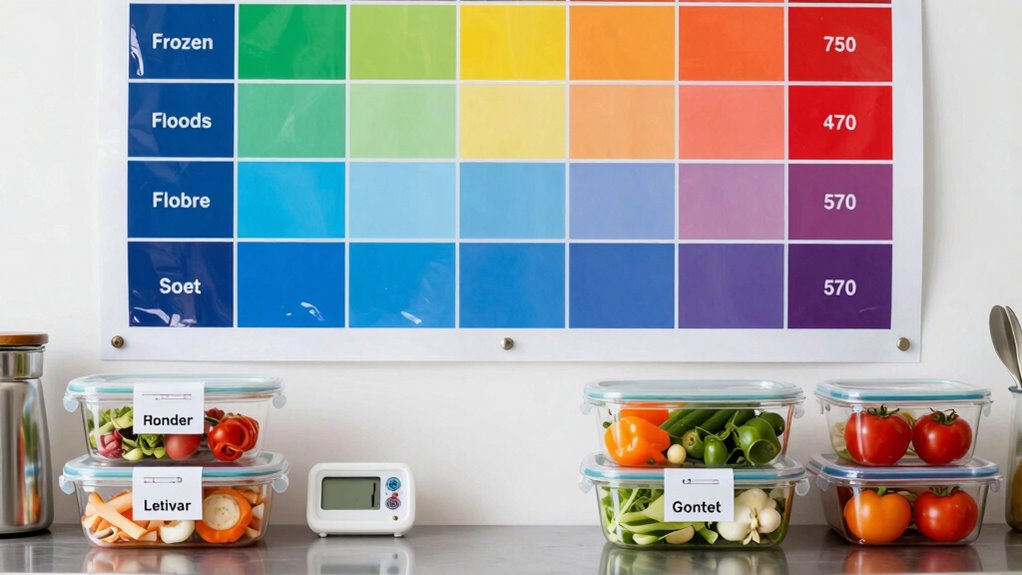
After cooking your food to the right temperature, proper storage helps prevent bacteria growth and keeps your meals safe to enjoy later. To guarantee food safety, focus on effective food storage by maintaining the right temperature control. Use a refrigerator set at 40°F (4°C) or below, and a freezer at 0°F (-18°C) or lower. Store perishable foods in airtight containers to minimize contamination and moisture loss. Always place raw meats on the bottom shelf to prevent drips onto other foods. Label leftovers with dates to track freshness, and avoid overcrowding the fridge, which can hinder proper temperature control. Proper food storage isn’t just about keeping foods cold; it’s about maintaining safe temperatures consistently to inhibit bacteria growth and preserve food quality. temperature control is a fundamental principle of food safety that helps prevent foodborne illnesses. Maintaining the correct storage temperatures ensures your food stays safe longer and reduces the risk of contamination, especially when combined with proper sanitation and cold storage practices. Additionally, regularly checking your refrigerator’s thermometer helps ensure it remains within the safe temperature range and prevents spoilage. Ensuring your refrigerator is properly maintained and clean supports consistent food safety and prevents cross-contamination.
How to Use a Food Thermometer Correctly and Effectively

To guarantee accurate temperature readings, you need to place your food thermometer correctly in the thickest part of the food. Always use proper techniques to get an accurate reading, and remember to calibrate your thermometer regularly for consistent results. Mastering these steps helps keep your food safe and cooked perfectly every time. Ensuring proper thermometer placement is essential for reliable measurements. Additionally, understanding how to avoid common mistakes can further improve your food safety practices. Familiarity with cleaning and maintenance procedures can help extend the lifespan of your thermometer and ensure accurate readings over time.
Proper Thermometer Placement
Proper thermometer placement is essential for getting an accurate temperature reading. To guarantee safety, always insert the thermometer into the correct part of the food, targeting the temperature zones that matter most. Proper placement prevents false readings that could lead to undercooking or overcooking. Keep these tips in mind:
- Insert the thermometer into the thickest part of the meat.
- Avoid touching bone, fat, or gristle for precise readings.
- For liquids, place the thermometer in the center, away from the sides of the container.
- Ensure the sensing area is fully immersed without touching the container.
- Check multiple spots if the food has uneven thickness or density.
Correct thermometer placement guarantees you’re measuring the true temperature, helping you meet food safety standards and prevent foodborne illnesses.
Accurate Reading Techniques
Using your food thermometer correctly is essential for accurately evaluating whether your food has reached a safe temperature. To guarantee temperature accuracy, insert digital probes firmly into the thickest part of the food, avoiding bones or fat, which can give false readings. When checking liquids, submerge the probe completely, making sure the sensing area is immersed. Hold the thermometer steady without touching the sides of containers, which can affect readings. Take multiple readings if needed, especially with larger portions. Always read the display at eye level for the most precise measurement. Proper technique prevents undercooking or overcooking, which can compromise safety. Additionally, regularly calibrate your thermometer to maintain measurement accuracy and ensure consistent results. By mastering these accurate reading techniques, you ensure your food is safe to eat and reduce the risk of foodborne illnesses.
Regular Calibration Practices
Have you ever wondered if your thermometer is accurately measuring temperatures? Regular calibration is essential to ensure thermometer accuracy. Establish a calibration schedule—whether weekly or monthly—to maintain consistency. When calibrating, use simple methods like the ice water test or boiling water test to verify accuracy. Remember, a well-calibrated thermometer prevents undercooked or overcooked food, safeguarding health. Keep these points in mind:
- Consistently check calibration at scheduled intervals
- Use reliable calibration methods to verify accuracy
- Record calibration results for tracking
- Replace or repair thermometers that fail calibration tests
- Always recalibrate after dropping or rough handling
- Proper calibration involves understanding how different materials and methods affect the accuracy of your thermometer readings.
Following a strict calibration schedule keeps your thermometer precise and your food safe. Proper calibration practices are key to maintaining food safety standards.
Common Foods and Their Recommended Safe Temperature Ranges
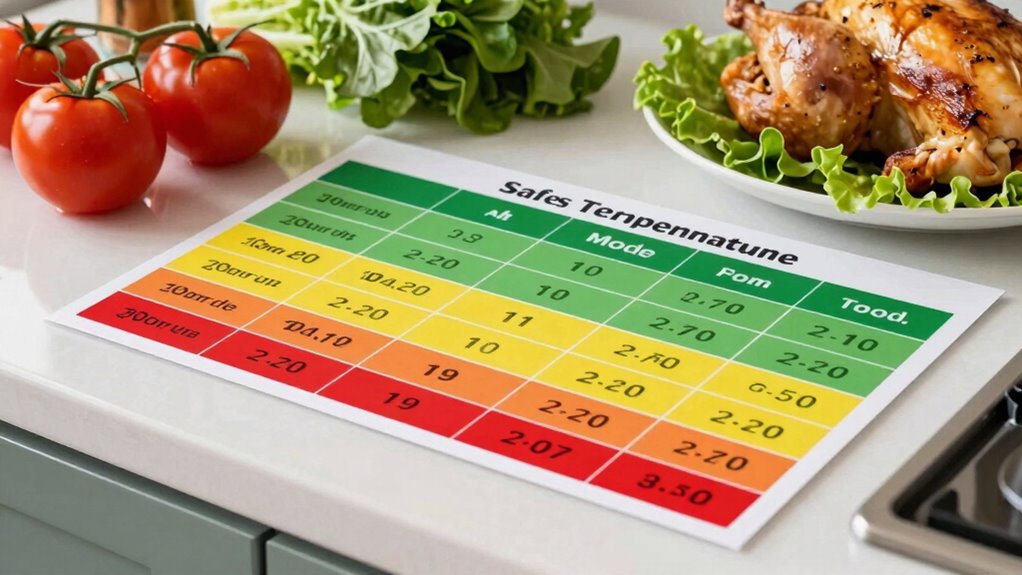
Knowing the proper cooking temperatures helps you guarantee your food is safe to eat. It’s also important to follow cold storage guidelines to prevent bacteria growth. By paying attention to these recommended temperature ranges, you protect yourself and your loved ones from foodborne illnesses.
Proper Cooking Temperatures
Ensuring foods reach the proper internal temperature is essential for safe eating and preventing foodborne illnesses. Proper cooking temperature guarantees that harmful bacteria are destroyed, especially when verifying meat temperature. To keep food safety standards, remember these key guidelines for common foods:
- Poultry: cook to 165°F
- Ground meats: cook to 160°F
- Beef, pork, veal, lamb steaks: cook to 145°F with a 3-minute rest
- Fish: cook to 145°F
- Leftovers: reheat to 165°F
Meeting these temperature targets minimizes the risk of illness and ensures your food is safely prepared. Always use a reliable food thermometer to check meat temperature, and don’t guess—precision is crucial for food safety. Properly cooked foods protect your health and those you serve.
Cold Storage Guidelines
Are you aware of the proper temperature ranges for storing different foods safely? Maintaining correct cold storage is essential for effective cold chain management and compliance with refrigeration standards. Proper temperatures prevent bacterial growth and spoilage. Here’s a quick guide:
| Food Type | Safe Storage Temperature Range |
|---|---|
| Fresh Meat & Poultry | 32°F to 40°F (0°C to 4°C) |
| Fish & Shellfish | 32°F to 38°F (0°C to 3°C) |
| Dairy Products | 34°F to 40°F (1°C to 4°C) |
Keep your refrigerator cold, monitor temps regularly, and ensure foods stay within these ranges for safety and freshness. Proper cold chain management reduces foodborne risks and extends shelf life.
Top Food Safety Mistakes and How to Avoid Them
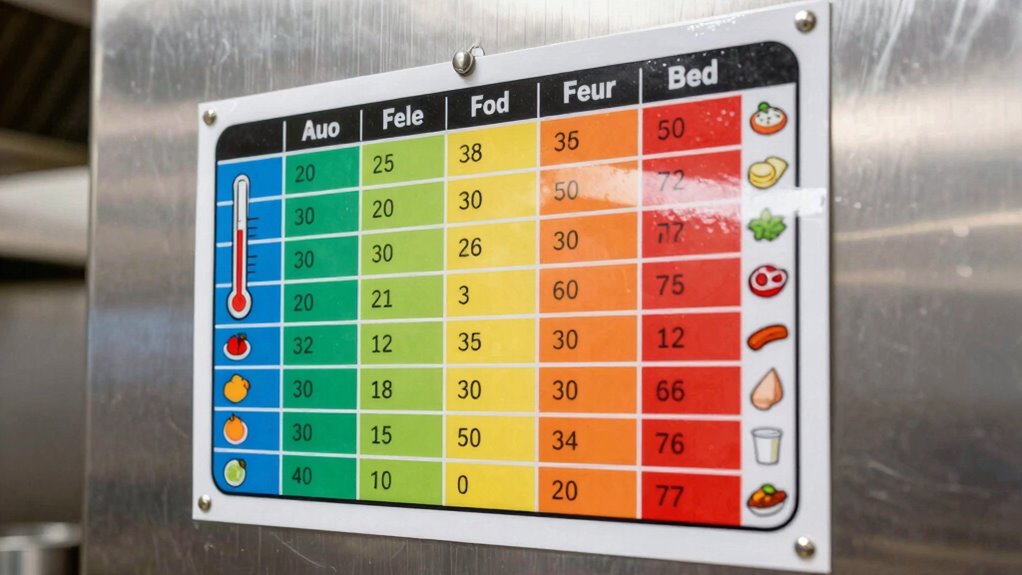
One of the most common food safety mistakes is failing to cook or store food at the correct temperatures, which can allow harmful bacteria to thrive. To avoid this, focus on proper handling. Prevent cross contamination by using separate cutting boards and utensils for raw meats and produce. Practice proper hand hygiene by washing hands thoroughly before and after handling food. Keep foods at safe temperatures to inhibit bacteria growth. Remember these key points:
Avoid bacteria growth by cooking, storing, and handling foods at proper temperatures and practicing good hygiene.
- Regularly monitor cooking and storage temps
- Use food thermometers consistently
- Avoid leaving perishable foods out too long
- Store raw meats below ready-to-eat foods
- Clean and sanitize surfaces often
Tips to Remember and Apply Food Safety Temperatures in Daily Cooking
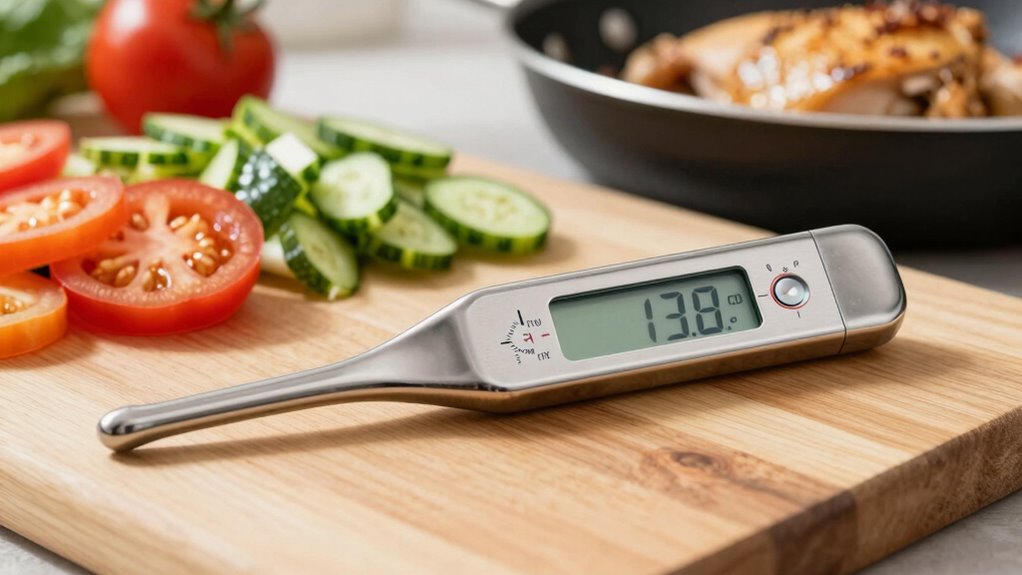
To effectively prevent foodborne illness, you need to remember and apply the correct temperatures when cooking and storing food. Good food handling starts with knowing the right temperatures for different foods, so you can cook meats thoroughly and keep leftovers safe. Incorporate kitchen protocols like using a food thermometer to check temperatures rather than relying on visual cues. Always wash your hands before handling food and sanitize surfaces regularly to prevent cross-contamination. When storing food, set your refrigerator to 40°F (4°C) or below, and keep hot foods above 140°F (60°C). Consistently applying these temperature guidelines helps you maintain a safe kitchen environment, reduces the risk of illness, and ensures your meals are both delicious and safe to eat.
Why Staying Updated With Food Safety Guidelines Is Important
Staying updated with the latest food safety guidelines helps you adapt to new research, changing pathogens, and evolving best practices. This knowledge is vital to prevent foodborne illness and maintain proper kitchen hygiene. When you’re aware of current standards, you can better identify risks and implement effective safety measures. Regular updates ensure you’re not relying on outdated methods that could compromise food safety or allow harmful bacteria to thrive.
Remember:
- Food safety info evolves with new science
- Pathogens can become resistant or change
- Proper temps prevent foodborne illness
- Kitchen hygiene practices improve with updates
- Staying informed keeps your food safe and your customers healthy
Frequently Asked Questions
How Often Should I Calibrate My Food Thermometer?
You should calibrate your food thermometer at least once a month to ensure thermometer accuracy. Regular calibration helps catch any inaccuracies that could compromise food safety. Additionally, calibrate it whenever you drop it or suspect it’s not reading correctly. By maintaining proper calibration frequency, you guarantee your thermometer provides precise temperature readings, which is vital for cooking foods to safe temperatures and preventing foodborne illnesses.
Can Food Safety Temperatures Vary by Country or Region?
Ever wondered if your food safety temperatures should adapt depending on where you are? Yes, regional differences and cultural practices can influence recommended safe temperatures. Different countries may have variations based on local cuisine, climate, and food handling customs. While the core principles of food safety remain the same, it’s essential to follow region-specific guidelines to ensure you’re protecting yourself and others effectively. Always check local regulations for the most accurate info.
What Are the Risks of Not Following Proper Temperature Guidelines?
If you ignore proper temperature guidelines, you risk bacterial growth hazards and cross contamination risks. Bacteria thrive in unsafe temperatures, which can cause foodborne illnesses. Not maintaining correct temps allows harmful pathogens to multiply rapidly, increasing the chances of contamination and illness for your customers. By following proper temperature controls, you help prevent these hazards, ensuring food remains safe and reducing liability for your operation.
Are There Specific Foods That Require Different Safety Temperatures?
Yes, certain foods have specific safety temperature guidelines due to their unique characteristics. For example, poultry should be cooked to 165°F, while beef steaks are safe at 145°F with a rest period. You need to be aware of food-specific guidelines because temperature variations can influence safety and quality. Always check recommended temperatures for different foods to prevent foodborne illnesses and ensure proper cooking.
How Do I Safely Thaw Frozen Foods Before Cooking?
Think of thawing as gently waking a sleeping giant—you want to do it securely. Use thawing methods like in the refrigerator, cold water, or the microwave. Safe defrosting techniques involve keeping food at proper temperatures, avoiding room temperature thawing. Always plan ahead to allow enough time, especially in the fridge, to ensure the food thaws evenly and safely before cooking.
Conclusion
By mastering these food safety temperatures, you protect yourself and loved ones from foodborne illnesses. Using a thermometer isn’t just a guideline—it’s a proven way to guarantee your meals are both delicious and safe. Staying informed and vigilant makes the difference between a healthy diet and risky consumption. Trust the science behind these guidelines; they’re based on thorough research to keep you safe. Remember, a simple step like checking temperatures can save your health every time you cook.