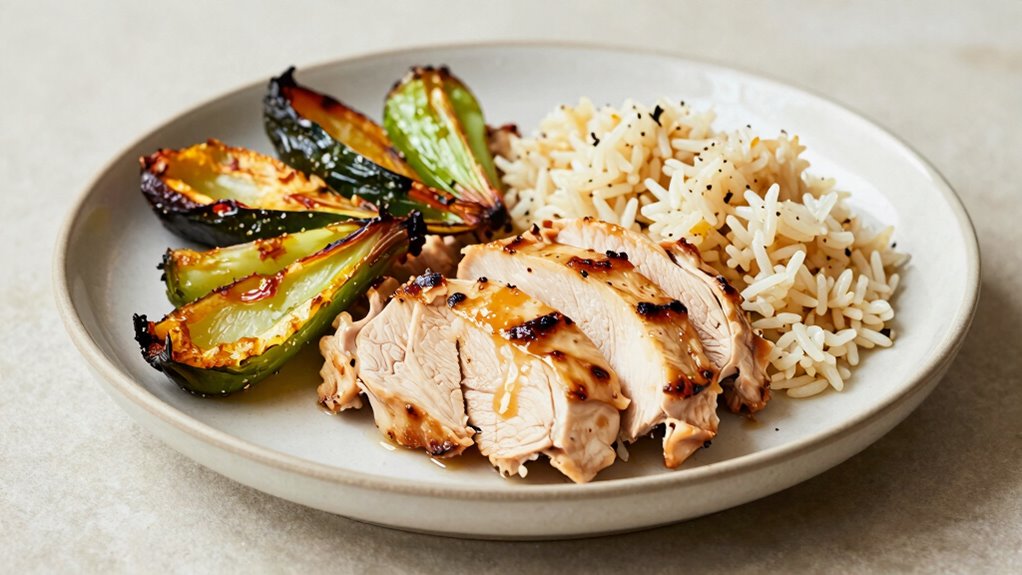

To keep reheated foods enjoyable without extra oil, reheat gently in a skillet over low heat, stirring often for even warmth. Use steaming methods or cover dishes to lock in moisture and prevent dryness. Add flavor with herbs, spices, or a splash of citrus before reheating, and toss in fresh herbs or cheese afterward for added flavor. Choose moisture-rich techniques to preserve texture and taste—solve the oil dilemma and discover more tips below.

Get kitchen gear delivered free with Prime
- Fast, free delivery on millions of items
- Prime Video, Amazon Music and more included
- Member-only deals all year
Key Takeaways
- Reheat in gentle, low-heat methods like stovetop or steaming to preserve moisture without added oil.
- Add small amounts of broth, water, or citrus juice to maintain moisture and enhance flavor naturally.
- Incorporate fresh herbs or lemon juice after reheating to boost flavor without extra fats.
- Cover dishes during reheating to trap steam, keeping food tender and preventing dryness.
- Use moisture-retaining techniques like steaming or wrapping baked goods to preserve texture without oil.
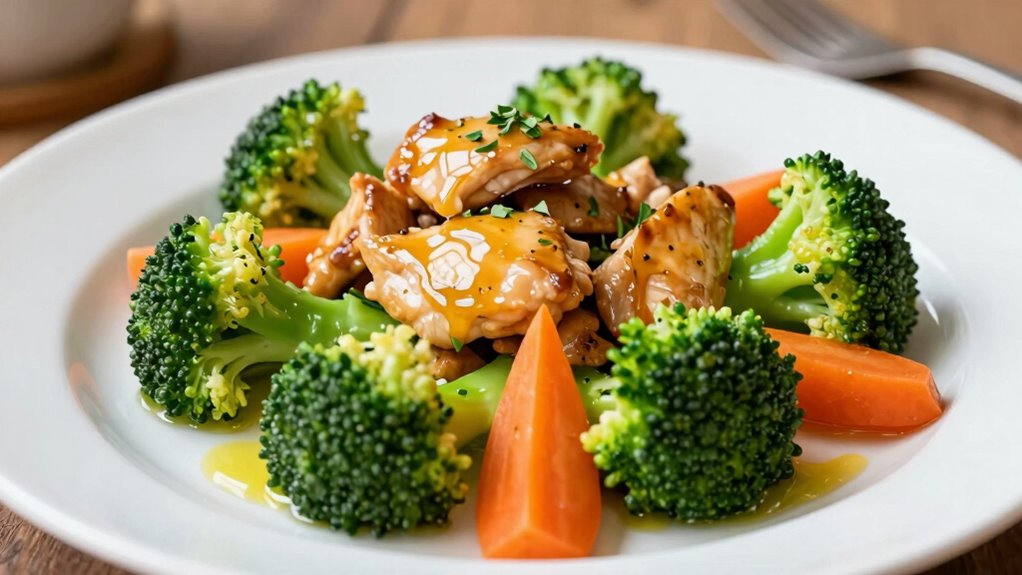
Reheating food often leads to a loss of texture and flavor, especially when you want to avoid adding extra oil. To keep your leftovers tasting fresh and appealing, focus on methods that promote flavor enhancement without compromising the food’s natural qualities. One key is to use gentle reheating techniques that preserve texture and prevent sogginess. For example, reheating in a skillet over low heat allows you to control the temperature, helping to restore crispness in items like fried foods or roasted vegetables. Stirring occasionally ensures even heat distribution, reducing the risk of overcooking or drying out parts of the dish.
Use gentle reheating like low-heat skillet cooking with occasional stirring to preserve texture and prevent sogginess.
Another effective way to preserve texture is by adding moisture carefully. Instead of pouring in oil or butter, consider incorporating small amounts of broth, water, or even a splash of citrus juice to rehydrate the food. This approach revitalizes flavors and prevents dryness while maintaining a light, oil-free profile. Covering the dish while reheating traps steam, which helps to keep ingredients tender and juicy. This technique is especially beneficial for rice, pasta, or casseroles, where moisture retention can prevent a rubbery or hard consistency. Using the right reheating method can also help prevent food spoilage and maintain nutritional value. Incorporating proper storage techniques can further extend the freshness of leftovers and make reheating more effective. Additionally, understanding the importance of temperature control can greatly influence the quality of reheated foods, ensuring they are both safe and enjoyable.
Flavor enhancement without extra oil depends largely on seasonings and fresh ingredients. Before reheating, sprinkle in herbs, garlic, or spices to boost taste. A dash of vinegar or a squeeze of lemon can brighten the flavor, making leftovers taste freshly prepared. When reheating, try to do so in a way that retains the integrity of these seasonings—using microwave with a cover or steaming can help lock in the aroma and flavor. Additionally, adding fresh ingredients like chopped herbs or a dash of cheese after reheating can give your dish a flavor boost without relying on fats. Incorporating metaphysical concepts such as intention or mindfulness into your cooking process can also enhance your connection to the food, making reheated meals feel more nourishing. For texture preservation, consider reheating methods that minimize contact with direct heat. Steaming is an excellent choice because it gently warms the food without making it soggy or tough. Using a double boiler or placing a heatproof bowl over simmering water allows your food to reheat evenly and retain its original texture. If you’re reheating bread or baked goods, wrapping them in foil and warming in the oven provides a crisp exterior while avoiding the softening that often comes with microwave reheating.
stainless steel skillet for gentle reheating
As an affiliate, we earn on qualifying purchases.
As an affiliate, we earn on qualifying purchases.
Frequently Asked Questions
Can Reheated Foods Lose Their Nutritional Value?
Reheated foods can lose some nutritional value through nutrient degradation, especially if exposed to high heat or prolonged cooking times. The cooking methods used initially also play a role; for example, boiling might cause more nutrient loss than steaming. To minimize this, reheat foods gently and quickly, preserving as many nutrients as possible. Proper storage and avoiding overcooking during reheating help retain the food’s nutritional benefits.
What’s the Best Container for Reheating Food?
The best container for reheating food is one made from microwave-safe materials like glass or BPA-free plastic. These container types guarantee safe reheating without releasing harmful chemicals. Glass is durable, doesn’t stain or retain odors, and heats evenly, while high-quality plastic is lightweight and convenient. Always check for safety labels to confirm material safety, and avoid metal containers, which aren’t microwave-friendly and could cause sparks or fires.
How Do I Prevent Food From Drying Out When Reheating?
Did you know that improper reheating can reduce food moisture by up to 25%? To prevent drying out, use gentle cooking techniques like steaming or reheating with a damp paper towel over your food. Cover dishes tightly to trap moisture and stir occasionally for even heat. These methods help retain moisture, ensuring your reheated meals stay juicy and flavorful without extra oil.
Is Microwave Reheating Safer Than Stovetop?
Microwave reheating can be safer than stovetop if you follow proper food safety and reheating techniques. It heats food quickly, reducing bacteria growth, but uneven heating can leave cold spots. To guarantee safety, stir your food and heat it thoroughly to an internal temperature of 165°F. The stovetop allows more control, but requires attention to avoid burns or uneven heating. Both methods work if you prioritize proper reheating techniques.
How Long Can Reheated Food Be Stored Safely?
Think of your leftovers as delicate seeds; if you don’t tend them well, spoilage sneaks in. Reheated food stays safe for about 3 to 4 days when stored properly in airtight containers in the fridge. After that, food spoilage accelerates, and the risk grows. Keep an eye on storage duration, and when in doubt, trust your nose—if it smells off, it’s time to toss it out.
Conclusion
Reheating foods without adding extra oil can preserve their flavor and texture, making leftovers just as enjoyable as the first time. Remember to use gentle methods like steaming or microwave with a damp paper towel to prevent dryness. Did you know that nearly 60% of Americans throw away perfectly good leftovers? By reheating smartly, you not only save money but also reduce waste and enjoy tasty, healthy meals every time.
Evergreen bestsellers Picks
bestsellers
As an affiliate, we earn on qualifying purchases.