
TL;DR

Get kitchen gear delivered free with Prime
- Fast, free delivery on millions of items
- Prime Video, Amazon Music and more included
- Member-only deals all year
A House Beautiful report recommends five small changes intended to make homes feel calmer through autumn and winter: reduce visual clutter, create a bright spot near a window, bring nature indoors, use scent in an evening routine and make the bedroom more inviting. The suggestions are attributed to home, storage and wellness experts; the report does not present them as proven treatments or quantify their effects.
House Beautiful has published five expert-backed suggestions for making homes feel calmer through the colder months, including clearing everyday clutter, spending morning time near a bright window and creating a more inviting bedroom. The advice focuses on small changes to a home’s storage, sensory environment and routines as people spend more time indoors.
The report’s first suggestion is to reduce visual clutter with straightforward storage for items used every day. Wellness expert Adrienne Herbert says, in collaboration with Homesense, that simple storage can make rooms feel more organised and easier to unwind in. Max Wilson, cofounder of Pocket Storage, adds that putting seasonal items away and assigning current essentials a place may be enough; the advice does not require a major clear-out.
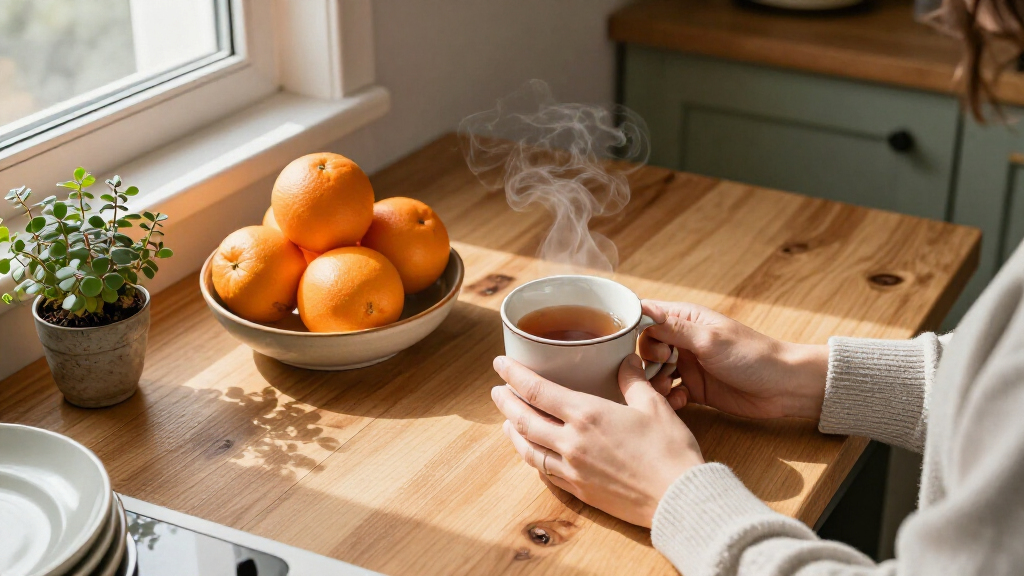
For darker mornings, Herbert recommends making a bright spot near a window, such as a chair or breakfast place, and spending time there early in the day. The report also proposes bringing in plants, flowers or natural materials such as wood, rattan and stone to create a connection to the outdoors while people are inside more often.
The remaining suggestions focus on evening habits. Herbert says familiar scents can act as cues to relax, while Johanna Constantinou, an interior trends expert at Tapi Carpets and Floors, suggests seasonal woody or spiced fragrances. Furniture and interiors expert Josh Branigan of Bedkingdom recommends making the bedroom feel restful with soft layers, warm lighting and calming essentials, such as a book or blanket, within reach.
Small Changes for Darker Days
The recommendations address the way shorter days and colder weather change how people use their homes: rooms may serve as places to rest and recharge for more of the day. The practical focus is on manageable adjustments, rather than buying new furniture or redesigning an entire space. Storage, a place to enjoy daylight and a consistent wind-down routine are all changes readers can adapt to their homes and budgets.
The report presents these ideas as expert guidance, not as clinical findings. It does not measure whether any one change improves mood, sleep or well-being, and readers’ circumstances—including access to daylight, space and sensitivity to fragrances—will differ.
home storage organizers for clutter
As an affiliate, we earn on qualifying purchases.
As an affiliate, we earn on qualifying purchases.
Five Ideas for Seasonal Comfort
The report’s five recommendations cover different parts of the day: organising everyday belongings, using a window-side spot in the morning, adding natural details, introducing a familiar evening scent and making the bedroom more inviting at night. Taken together, they frame a calmer home as a result of small environmental and routine changes rather than a single purchase.
Several suggestions are deliberately flexible. A bright spot might be a kitchen table rather than an armchair; nature indoors could mean a plant or natural materials; and the bedroom advice centres on lighting and textures already available. The source material does not specify a particular temperature, product or amount of time to spend in daylight.
““A calmer home can help create a calmer mind.””
— Adrienne Herbert, wellness expert, in collaboration with Homesense
What the Advice Does Not Measure
The source report does not provide studies, survey methods or numerical evidence showing how much these changes affect mood, relaxation or sleep. Its recommendations are attributed to experts, but their effects are not quantified or presented as guaranteed. The report also refers generally to Americans’ views about homes and winter without supplying figures or a source for that claim in the material provided.
It is also not clear how well every suggestion will suit individual households. Available daylight, room layout, budget, allergies and scent sensitivities vary. The report does not compare different products or establish that candles, room sprays or any other specific purchase is necessary.
Changes Readers Can Try at Home
The report offers no announced follow-up study or scheduled next development. Readers can use its suggestions selectively: put frequently used items in a designated place, choose a comfortable spot by the brightest window, add a natural element and prepare the bedroom for a quieter evening. These are recommendations from the report, not steps shown to produce a guaranteed result.
Whether the ideas make a difference will depend on each home and person. The source material does not report outcomes from readers who tried them or identify any further evidence expected to test their effects.
Key Questions
What are the five suggestions in the report?
Reduce clutter, create a place near a window, bring nature indoors, use a familiar evening scent and make the bedroom more inviting with soft textures and warm lighting.
Does the report say these changes improve sleep or mental health?
No. It presents expert recommendations for a calmer-feeling home but provides no measured results or clinical evidence showing that the changes improve sleep or mental health.
Do the suggestions require buying new things?
Not necessarily. The report recommends simple storage and using items such as a book or blanket already at home. Plants, flowers and fragrances are examples, not stated requirements.
What does the report suggest for darker mornings?
Adrienne Herbert recommends setting up a comfortable spot near a bright window and spending time there early in the day. The report does not specify how long to stay there or quantify an effect.
Source: rss
Columbus Day / Indigenous Peoples' Day Picks
long weekend sales
As an affiliate, we earn on qualifying purchases.