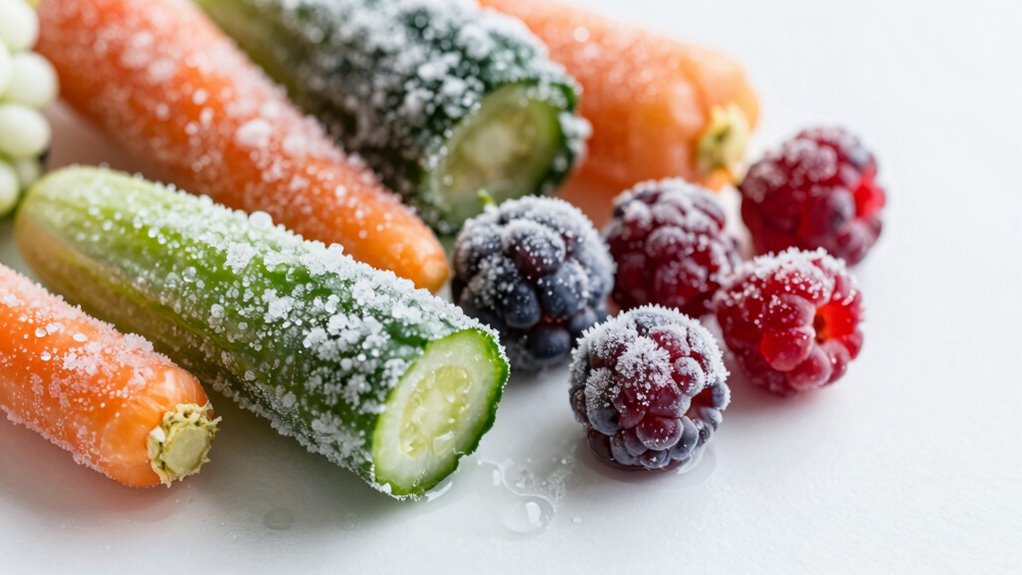
Frozen foods turn soggy when moisture moves inside or ice crystals damage their cell structures, causing loss of crispness. Improper packaging, slow freezing, and thawing at room temperature make it worse. To fix this, you should freeze in airtight containers, spread items thinly, and thaw gradually in the fridge or using quick reheating methods. Keep these tips in mind, and you’ll discover even more ways to keep your foods crisp and fresh.
Key Takeaways
- Sogginess results from moisture migration caused by ice crystal formation and melting during freezing and thawing.
- Proper packaging, like airtight bags or containers, prevents moisture loss and freezer burn that lead to sogginess.
- Freezing foods when dry and in small portions minimizes large ice crystals and texture damage.
- Thaw foods slowly in the refrigerator to reduce moisture migration and maintain crispness.
- Recrisp foods by reheating at high temperatures, such as baking, to melt ice crystals and restore texture.
Why Do Frozen Foods Turn Soggy? Understanding Moisture and Freezing
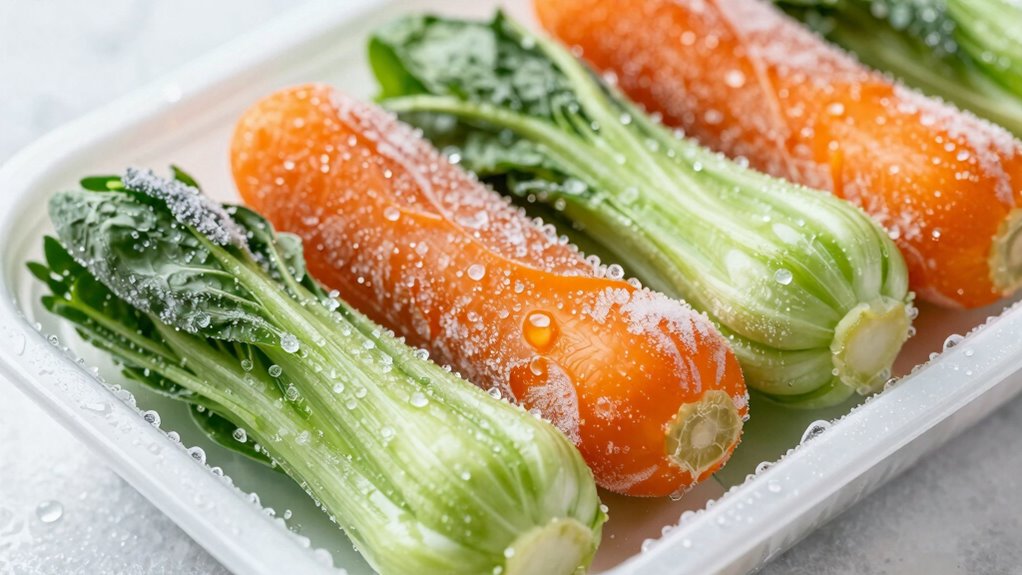
Frozen foods often turn soggy because of moisture migration during the freezing and thawing process. When you freeze food, ice crystals form within the tissue, damaging cell walls and causing moisture to move. During thawing, this moisture escapes, making the food soggy and less appealing. Ice crystal formation is a key factor; large crystals can puncture cell walls, increasing moisture loss. As the food melts, this moisture seeps out, altering texture and freshness. Proper freezing techniques, such as rapid freezing, help minimize ice crystal size and reduce moisture migration. If you let food thaw slowly or freeze it improperly, larger ice crystals develop, worsening sogginess. Freezing methods play a crucial role in maintaining food quality and preventing moisture-related issues. Additionally, employing proper storage containers can help reduce moisture transfer and preserve texture during freezing and thawing. Ensuring the correct temperature during storage also helps prevent freezer burn, which can further degrade food quality over time. Using appropriate airtight packaging can also significantly limit moisture loss and maintain food integrity over extended periods.
Common Mistakes That Make Frozen Foods Soggy
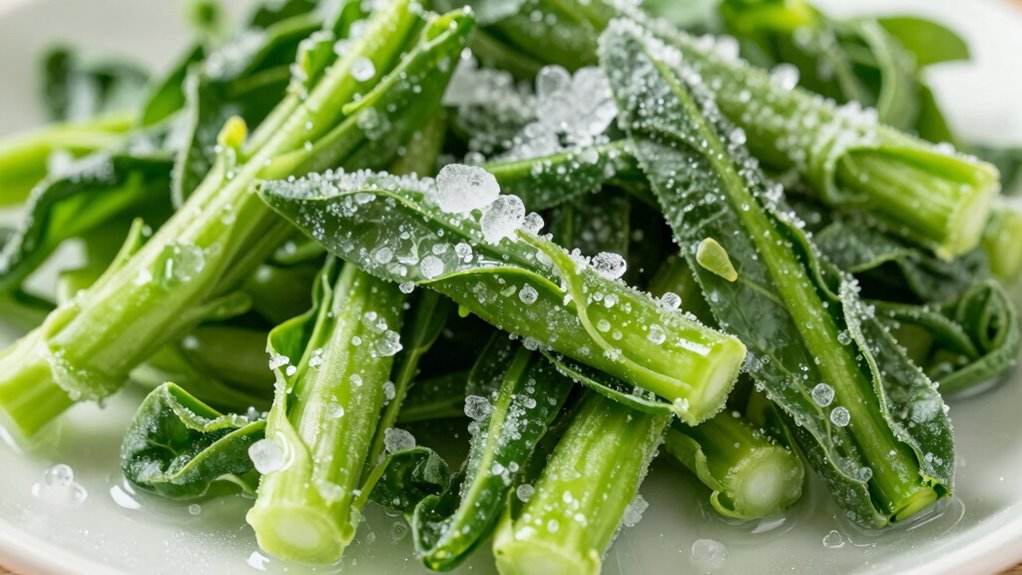
Many common mistakes during freezing and thawing can cause foods to turn soggy. One major error is not sealing items properly, allowing moisture migration which leads to freezer burn. Freezer burn dries out food and creates uneven textures that become soggy when thawed. Another mistake is leaving foods exposed or loosely wrapped, exposing them to air and humidity fluctuations that accelerate moisture migration. Additionally, freezing foods when they are still wet or unprepared increases the risk of excess moisture forming ice crystals, which damage cell structures and result in sogginess. Failing to use airtight containers or proper packaging allows moisture to escape or enter, causing inconsistent textures. Proper food preparation techniques and packaging are essential to prevent freezer burn and moisture migration, keeping your frozen foods fresh and crispy. Using correct freezing methods can help maintain optimal food quality over time. Being mindful of freezer storage practices can greatly reduce the chances of sogginess and preserve the quality of your foods over time. Incorporating proper thawing procedures can further help maintain food integrity and prevent sogginess after freezing. Additionally, understanding the importance of temperature control in your freezer can significantly impact the preservation of food texture and prevent moisture-related issues.
How to Properly Freeze Foods to Keep Them Crispy
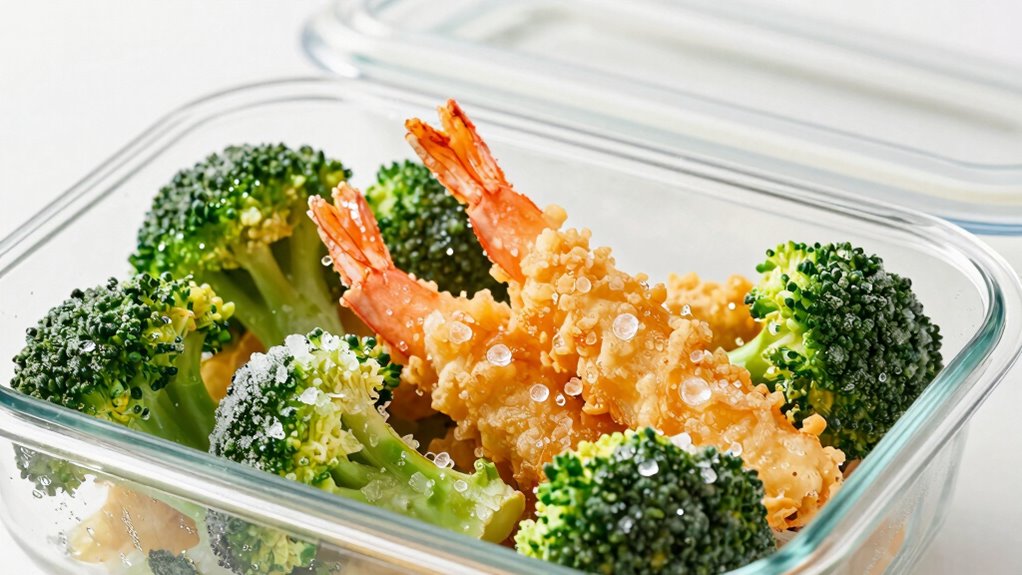
To keep foods crispy after freezing, you need to focus on proper preparation and packaging. Use packaging tips like airtight containers or resealable freezer bags to prevent moisture from entering. Remove as much air as possible to reduce freezer burn and ice crystal formation, which can make foods soggy upon thawing. Employ effective freezing techniques, such as spreading foods in a thin layer on a baking sheet before transferring them to containers, ensuring quick freezing and minimal ice crystal growth. Label everything clearly to avoid repeated thawing and refreezing, which compromise texture. You can also flash freeze delicate items to preserve their crispness better. Additionally, understanding freezer temperature and maintaining it at 0°F (-18°C) is crucial for optimal preservation. Proper freezing methods can minimize moisture migration and help maintain the original texture of foods. Using the right freezing techniques can significantly reduce moisture loss and prevent sogginess. For best results, consider the storage duration of frozen items, as extended periods can impact texture and quality. To further protect crispy foods, consider pre-freezing preparation steps, such as drying or coating items to create a moisture barrier. By combining these packaging tips and freezing techniques, you’ll maintain the texture and crunch of your favorite foods, keeping them crispy until you’re ready to enjoy them.
Best Ways to Thaw Frozen Foods Without Losing Crispness
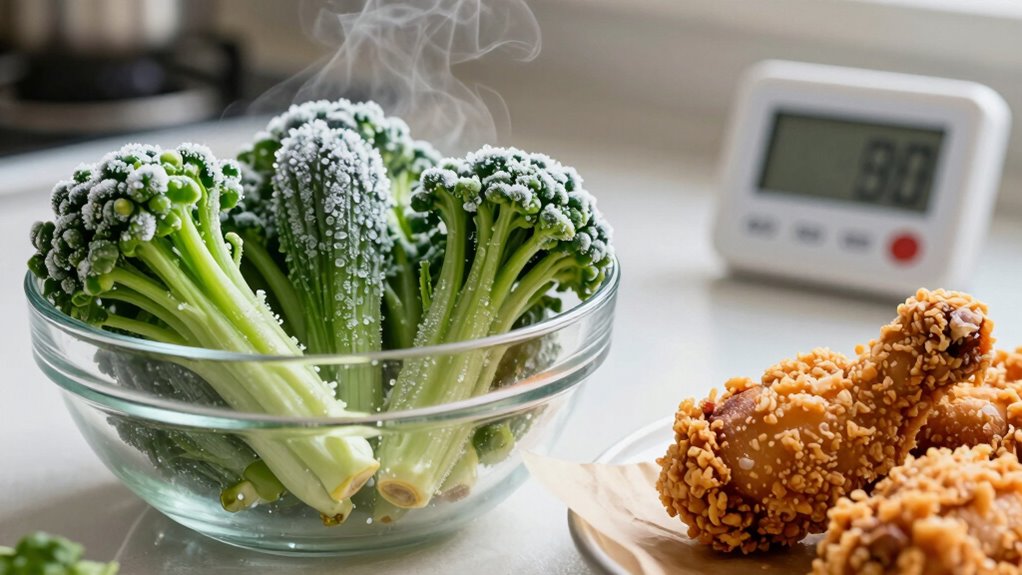
To keep your foods crispy, you should thaw them gradually rather than rushing the process. Using the cold water method is an effective way to do this quickly while preserving texture. Keep reading to learn how these techniques can help maintain your food’s crispness. Additionally, ensuring proper storage can prevent moisture buildup that leads to sogginess, especially when considering air quality and ventilation in your kitchen. Proper food preservation techniques can also extend the freshness and prevent moisture-related sogginess. Being aware of pinball machine weight can help when moving or storing equipment, ensuring safety and maintaining the integrity of your appliances. Paying attention to storage conditions is crucial for keeping foods at optimal quality and avoiding unwanted moisture. Incorporating knowledge about electric power generation with bike generators highlights the importance of controlling environmental factors to sustain food quality over time.
Thaw Gradually for Crispness
When you want to preserve the crispness of frozen foods, thaw them gradually rather than rushing the process. Rapid thawing causes ice crystal formation to damage cell walls, leading to sogginess. Slow thawing allows ice crystals to melt evenly, reducing moisture migration that can make foods limp. By giving foods time to thaw at a controlled pace, you minimize the disruption of their structure and retain their original texture. This method helps keep crisp surfaces intact, especially for items like fries or breaded products. To do this, simply transfer frozen foods to the fridge and let them thaw over several hours or overnight. Patience during thawing ensures your foods stay closer to their fresh, crispy state, avoiding the soggy aftermath of quick defrosting. Additionally, understanding quality and expert recommendations can help you choose the best thawing method for different foods. Modern advances in nanotechnology could also potentially improve thawing techniques by enabling more precise temperature control and faster, yet gentle, warming processes. For example, specialized thawing devices that utilize precise temperature regulation are becoming more accessible, helping to maintain food integrity during the thawing process. Incorporating controlled warming methods can further enhance the preservation of texture and flavor during thawing.
Use Cold Water Method
Wondering how to thaw frozen foods quickly without sacrificing their crispness? The cold water method is your best option. Submerge the sealed package in cold water, changing it every 30 minutes to prevent moisture migration that can cause sogginess. This process helps keep the food’s texture intact and reduces freezer burn risks. Use a sturdy, leak-proof bag to avoid water contact, which can lead to moisture loss. Proper food handling techniques are essential for maintaining quality during thawing. Here’s a quick comparison:
| Method | Speed | Best for | Risk |
|---|---|---|---|
| Cold Water | Fast | Vegetables, seafood, chicken | Moisture migration, freezer burn |
| Thaw in Fridge | Slow | Steaks, roasts | Less risk of freezer burn |
| Microwave | Very fast | Quick meals, small items | Uneven thawing, sogginess |
The cold water method balances speed and crispness, preventing sogginess caused by moisture migration.
How to Re-Crisp Soggy Frozen Veggies and Snacks

Soggy frozen veggies and snacks can lose their appealing crunch, but you can often restore their crispness with a simple method. First, spread them out on a baking sheet in a single layer. Preheat your oven or toaster oven to around 400°F (200°C). Place the veggies or snacks inside and bake for 10-15 minutes, checking periodically. This process helps evaporate ice crystals caused by freezer burn, which often contribute to sogginess. Freezer burn happens when moisture escapes, leaving behind dry spots and soggy textures. By reheating to a high temperature, you’ll melt remaining ice crystals and reintroduce moisture evenly, restoring crispness. Keep a close eye to avoid overcooking. This method works well for many frozen foods, bringing back that fresh, crunchy bite. Additionally, proper storage techniques can help prevent sogginess in the first place, maintaining the quality of your frozen foods. Properly sealed packaging minimizes moisture loss, which is a key factor in maintaining texture and preventing freezer burn. Incorporating curiosity about storage methods can further encourage better habits that preserve food quality over time.
Tips for Storing Frozen Foods to Maintain Texture and Freshness
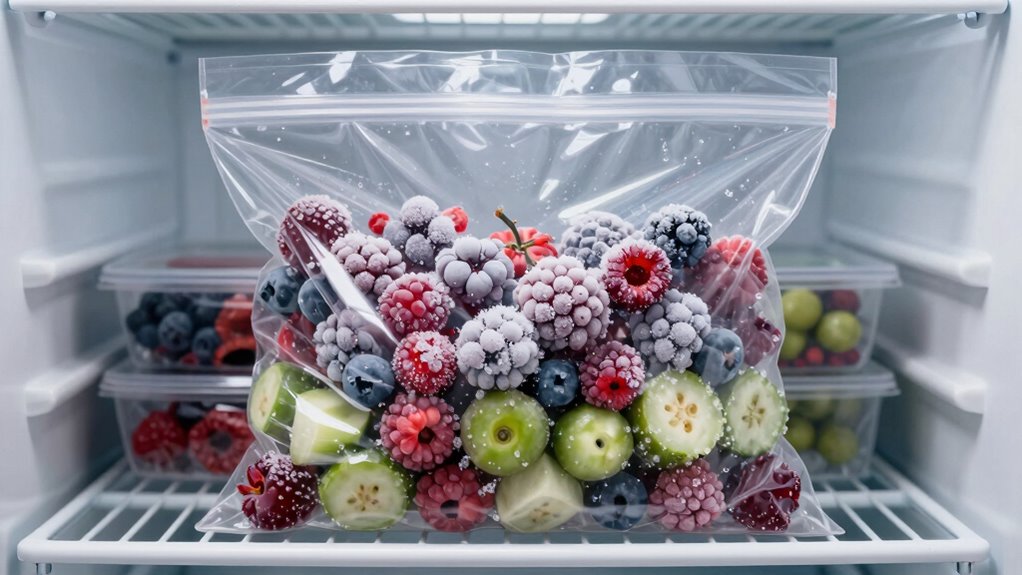
To maintain the texture and freshness of your frozen foods, proper storage techniques are essential. Use effective packaging methods, such as airtight plastic wrap, vacuum-sealed bags, or quality freezer-safe containers, to prevent moisture loss and freezer burn. Choose sturdy storage containers that seal tightly and are designed for freezing to protect your food from air exposure. Label containers with dates to track storage time and prioritize consuming older items first. Keep foods organized in your freezer so that air circulates freely around packages. Avoid overpacking, which can crush or damage items, and ensure each package is sealed properly. These practices help preserve texture, prevent sogginess, and extend the quality of your frozen foods.
Quick Fixes for Soggy Frozen Vegetables and Snacks
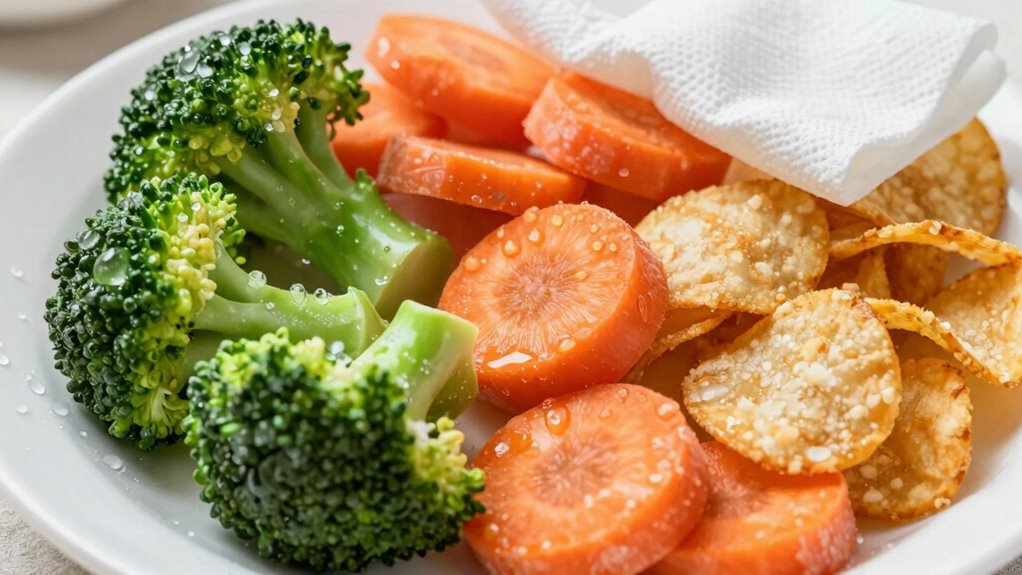
If your frozen vegetables or snacks turn out soggy, quick remedies can restore their texture without sacrificing flavor. Moisture migration during freezing often causes sogginess, especially if freezer burn has affected the product. To fix this, try methods that remove excess moisture and re-crisp the food.
Soggy frozen snacks? Use quick baking or patting to restore crispness and flavor.
- Spread the soggy items on a baking sheet and bake at a low temperature to evaporate excess moisture.
- Use a paper towel to gently pat off moisture before reheating.
- Reheat in a hot skillet or oven to help regain crispness.
- Avoid overcrowding the pan to ensure even drying and prevent further moisture migration.
These quick fixes are effective and keep your snacks tasting fresh, even if they’ve gone a bit soggy from improper storage or freezer burn.
Simple Habits to Prevent Sogginess When Freezing and Thawing
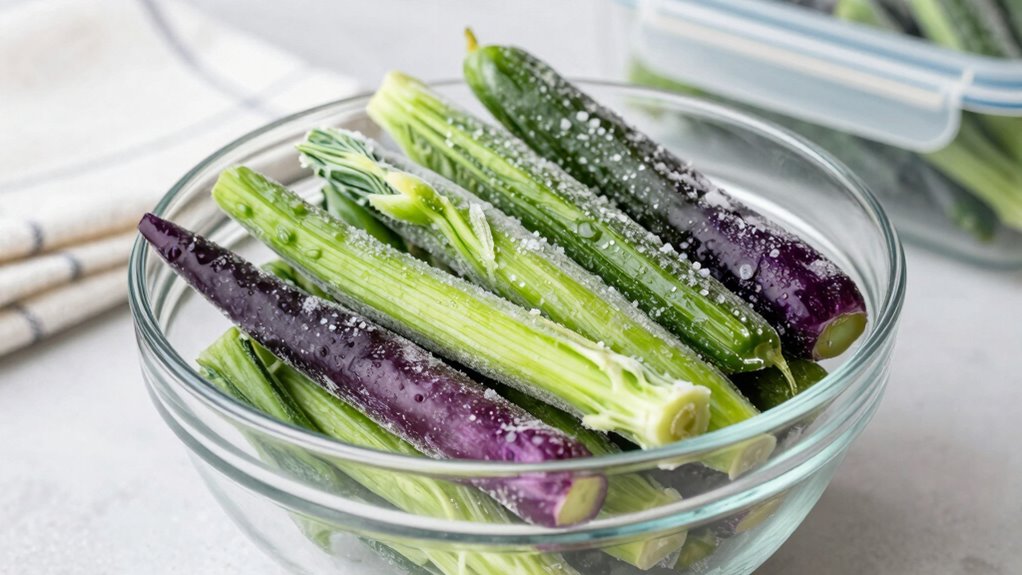
Preventing sogginess starts with proper freezing and thawing habits that keep moisture in check. To do this, use packaging materials that block moisture migration, like airtight containers or heavy-duty freezer bags. Seal foods tightly to prevent air exposure, which can cause frost and sogginess. When thawing, do so slowly in the refrigerator to reduce moisture loss and migration. Avoid thawing at room temperature, which promotes excess moisture and sogginess. Always pat foods dry before freezing or serving to remove surface moisture. Here’s a quick reminder:
| Tip | Why it helps | Example |
|---|---|---|
| Use airtight packaging | Prevents moisture migration | Freezer bags |
| Freeze in small portions | Reduces exposure time | Individual portions |
| Thaw slowly in fridge | Minimizes moisture loss | Overnight |
These habits keep your frozen foods crispy!
Summary: Keep Your Frozen Foods Crispy and Delicious
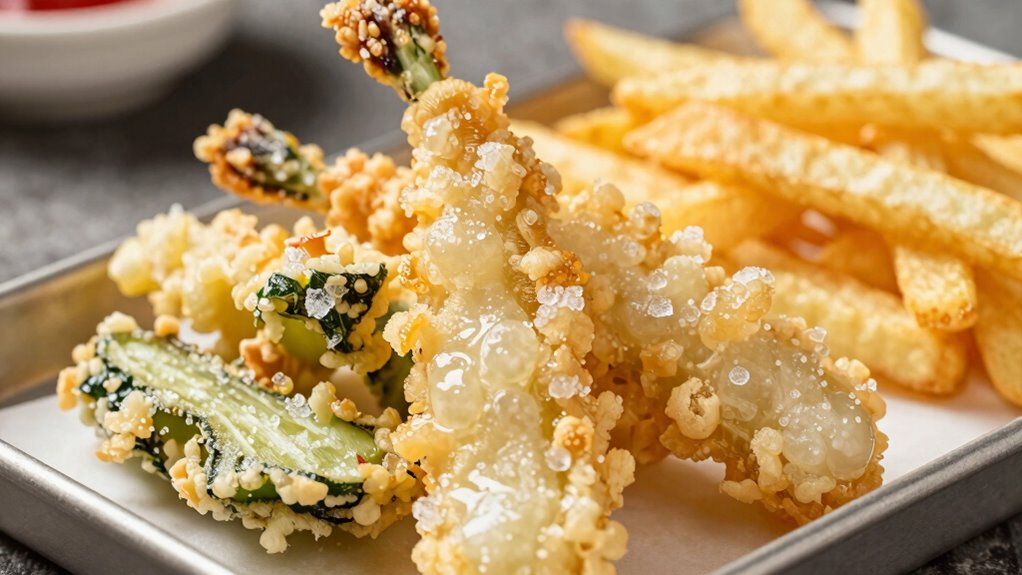
Keeping your frozen foods crispy and delicious hinges on good freezing and thawing practices. Proper techniques help preserve flavor and maintain texture, so your meals stay satisfying. To achieve this, focus on effective packaging techniques that prevent moisture loss and freezer burn. Always remove excess air from bags and use airtight containers. Properly label and date your items to ensure freshness. When thawing, do so gradually in the refrigerator or under cold water to prevent sogginess. These habits help retain flavor and texture, making sure your frozen foods stay as tasty as when you first froze them. Consistent application of these practices ensures your frozen foods stay crispy, flavorful, and ready to enjoy at their best.
Frequently Asked Questions
Can Vacuum Sealing Prevent Sogginess in Frozen Foods?
Yes, vacuum sealing can prevent sogginess in frozen foods by creating a moisture barrier that keeps air and moisture out. When you vacuum seal, you remove excess air, which helps maintain the food’s texture and quality. Make sure to use a high-quality vacuum sealer and proper bags designed for freezing. This method helps preserve freshness and prevents ice crystals that cause sogginess over time.
Do Different Foods Require Different Freezing and Thawing Methods?
Think of your freezer as a symphony where each food plays a different instrument. Yes, different foods require specific freezing techniques to preserve their texture. For example, meats freeze best at ultra-low temperatures, while fruits need gentle handling to prevent mushiness. Thawing methods also vary; some foods do well with slow, refrigerator thawing, while others benefit from quick methods to maintain ideal food texture and flavor.
How Does Humidity Affect the Crispiness of Frozen Foods?
Humidity impact plays a big role in the crispiness of frozen foods. When you store foods in a humid environment, they absorb moisture from the air, leading to sogginess. To keep your foods crispy, make sure your freezer is dry and well-sealed. Avoid opening the door frequently, as fluctuating humidity levels can cause moisture absorption. Proper storage helps maintain texture and prevents that unwanted soggy texture.
Are There Specific Storage Containers That Help Keep Foods Crispy?
If you want to keep foods crispy, the right storage containers make all the difference. Airtight containers lock out moisture, preventing sogginess and maintaining crunch. But sometimes, breathable packaging is better, allowing excess humidity to escape and avoid buildup. The key is choosing the right option for your food — and the moment you realize this, you’ll never settle for less. Your snacks stay crisp, fresh, and irresistible every time.
Can Using a Microwave Cause Frozen Foods to Become Soggy?
Yes, using a microwave can cause frozen foods to become soggy because it creates microwave moisture that traps steam. This moisture softens the food’s texture, leading to a soggy result. To avoid this, you should use microwave-safe covers or paper towels to absorb excess moisture, and consider reheating in short intervals, checking frequently. This approach helps restore your frozen foods’ crispness and prevents that unwanted soggy texture.
Conclusion
Think of your frozen foods like a delicate dance—they need the right steps to stay crisp. By avoiding common mistakes, freezing properly, and thawing carefully, you can keep your snacks and veggies as fresh as a morning breeze. With these simple habits, you’ll turn soggy surprises into crispy delights every time. Keep your freezer habits sharp, and your frozen favorites will always dance back to life, crunchy and perfect.