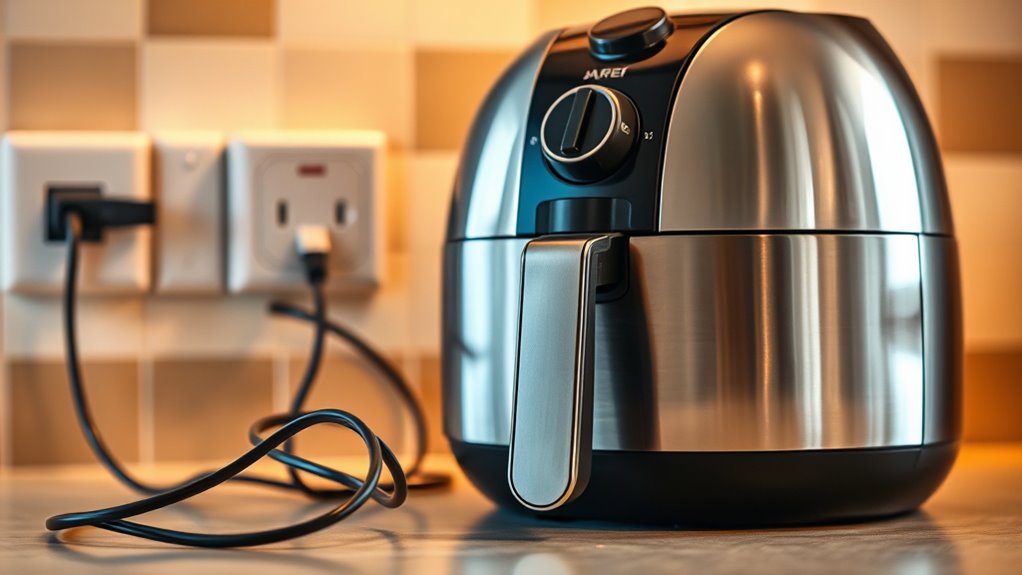

Your air fryer trips the breaker mainly due to overloads, faulty wiring, or sharing a circuit with high-wattage appliances. When multiple devices draw power on the same outlet, it exceeds the circuit’s capacity, causing the breaker to trip for safety. To fix this quickly, unplug other appliances, verify your outlet matches the air fryer’s needs, and avoid overloading the circuit. Continue to discover simple steps to keep your kitchen safe and your air fryer running smoothly.
Key Takeaways
- Air fryers draw high current, so sharing a circuit with other appliances can overload the breaker.
- Overloading the circuit beyond its capacity trips the breaker; unplug other devices to reduce load.
- Faulty outlets or damaged wiring may cause shorts, leading to breaker trips when using the air fryer.
- Ensure the air fryer is placed on a proper, dedicated outlet with adequate ventilation to prevent overheating.
- Repeated trips or signs of wiring issues require a professional electrician to inspect and fix electrical faults.

Emeril Lagasse Extra Large French Door Air Fryer Toaster Oven Combo, 24 Cooking Functions and Digital Controls, 7 Accessories Included, Stainless Steel Finish, 26QT Capacity
A VERSATILE AIR FRYER AND MULTI-COOKER COMBO: Elevates practically any meal, from air frying quick after-school snacks to...
As an affiliate, we earn on qualifying purchases.
Understanding the Electrical System and Circuit Breakers
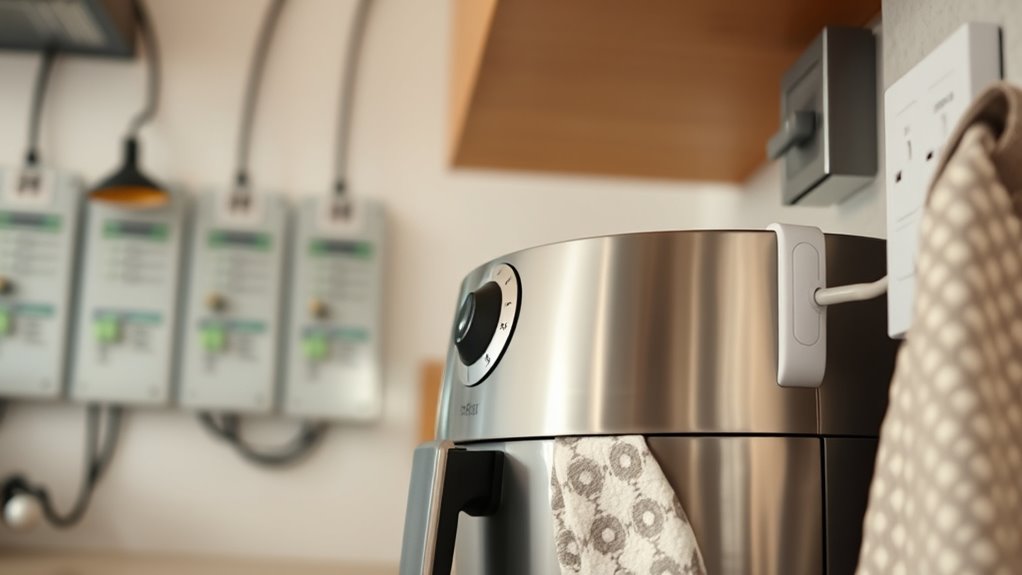
To understand why your air fryer might trip the breaker, it’s essential to know how your electrical system and circuit breakers work. Circuit capacity refers to the maximum amount of electrical current a circuit can handle safely. If you plug your air fryer into a circuit that’s already near its limit, the breaker trips to prevent overload. Breaker types vary, including standard single-pole breakers and GFCI or AFCI breakers, each designed to protect against different issues. Knowing the capacity of your circuit and the type of breaker installed helps you avoid overloading it. For example, a typical kitchen circuit might be rated for 15 or 20 amps. Using an appliance that exceeds this capacity can cause frequent trips, signaling the need to check your circuit’s limits. Additionally, proper circuit load management can help prevent overloads and ensure safe operation of your appliances.

Nuwave Bravo XL Pro Air Fryer Toaster Oven with Grill Combo, 2025 New Ultra-Fast Convection System, 35% Crispier, 2X More Even, 142 Presets, 50-500F, Smarter Probe, PFAS Free, 30QT, Stainless Steel
142 EASY-COOK PRESETS: The Bravo toaster oven countertop is equipped with 12 versatile cooking functions including air fry,...
As an affiliate, we earn on qualifying purchases.
Common Causes of Breaker Trips When Using an Air Fryer

You might find your breaker trips when using your air fryer due to an overloaded circuit, especially if you have other appliances running on the same outlet. Faulty outlets or wiring issues can also cause the breaker to trip unexpectedly. Identifying these common causes can help you prevent future interruptions and make sure of safe operation. Additionally, incorporating AI-powered diagnostic tools can assist in quickly identifying electrical faults and ensuring safe usage.
Overloaded Circuit Load
Overloading a circuit is a common reason an air fryer trips the breaker, especially when multiple high-power appliances are plugged into the same outlet. When you add several devices, the circuit becomes overloaded, exceeding its capacity and causing the breaker to trip to protect your home’s wiring. This isn’t just inconvenient—it’s a safety concern, as a circuit overload can lead to overheating and potential fire hazards. To keep breaker safety intact, avoid running your air fryer alongside other high-wattage appliances on the same circuit. If your breaker trips frequently, consider unplugging other devices or redistributing your appliances across different outlets. Managing your circuit load helps prevent trips and keeps your home safe while using your air fryer.
Faulty Outlet or Wiring
Faulty outlets or wiring can often cause your breaker to trip when using an air fryer, especially if the electrical system isn’t in good condition. Electrical faults, like damaged outlet wiring, can create short circuits or overloads that trip the breaker. You might notice issues such as flickering lights or outlets that feel warm. To avoid these problems:
- Loose outlet wiring connections
- Frayed or damaged wiring insulation
- Worn-out outlets that don’t hold plugs securely
- Corrosion or rust inside the outlet
- Faulty circuit breakers themselves
Ignoring these signs can lead to persistent breaker trips or potential electrical hazards. Proper electrical maintenance and regular inspections can help prevent these issues and ensure safe operation of your air fryer. If you suspect electrical faults, it’s best to have a professional inspect and repair your outlet wiring to ensure safe operation of your air fryer and prevent further issues.
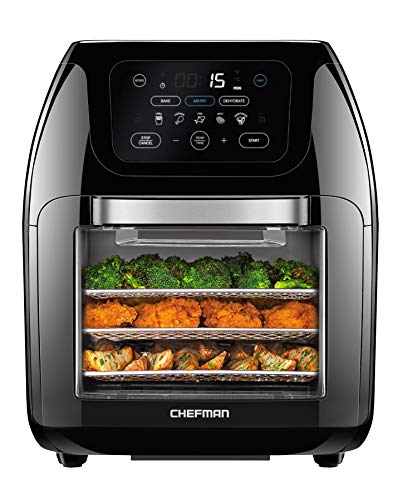
CHEFMAN Multifunctional Digital Air Fryer+ Rotisserie, Dehydrator, Convection Oven, 17 Touch Screen Presets Fry, Roast, Dehydrate, Bake, XL 10L Family Size, Auto Shutoff, Large Easy-View Window, Black
Versatile countertop cooking: Air fry, bake, dehydrate, rotisserie, or roast to crispy perfection in one convenient appliance
As an affiliate, we earn on qualifying purchases.
How to Identify Overloading or Power Surges
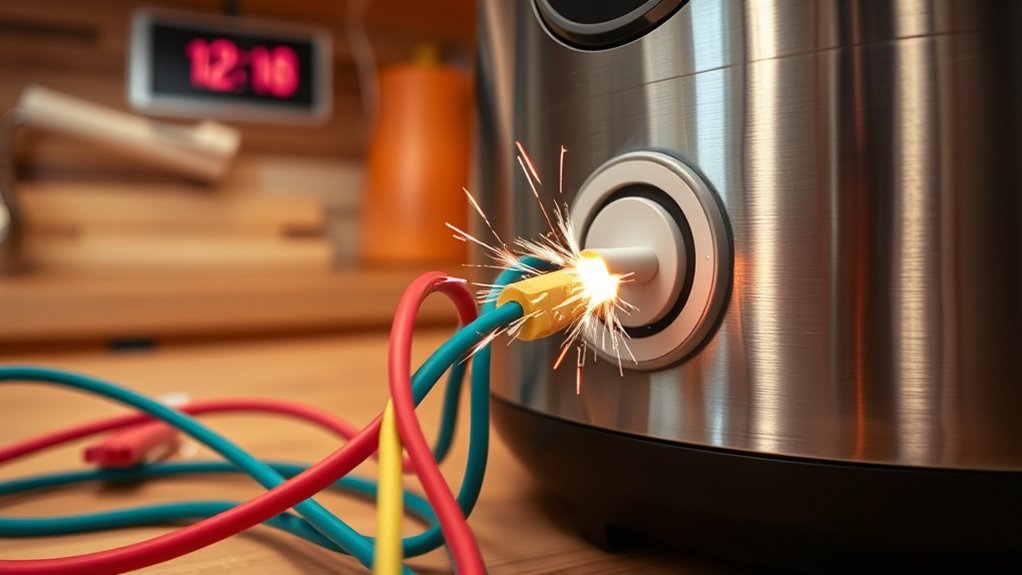
You can tell if your breaker trips because of overloading by checking if too many appliances are running at once. Watch for sudden voltage fluctuations or flickering lights, which indicate power surges. Monitoring these signs helps you identify if your air fryer is causing an overload or if there’s a voltage issue. Additionally, understanding the horsepower of electric dirt bikes can offer insight into how much power your appliances draw, potentially contributing to circuit overloads.
Recognize Excessive Load
When a breaker trips while using your air fryer, it’s often a sign that the appliance is drawing more power than the circuit can handle. You might notice the breaker flipping off unexpectedly, especially when other appliances are running simultaneously. To recognize an excessive load, check for signs of high power consumption that exceed your circuit’s capacity.
Look out for:
- Multiple devices plugged into the same outlet
- Using high-wattage appliances together
- Overloaded power strips
- Frequent breaker trips during cooking
- The air fryer running longer than usual
These clues indicate your circuit is overwhelmed. Understanding your circuit capacity and monitoring your power consumption helps prevent overloading, ensuring safer operation and avoiding breaker trips. Additionally, advanced techniques such as using a clamp meter can help you accurately measure the current draw of your devices.
Detect Voltage Fluctuations
Voltage fluctuations often signal that your circuit is overloaded or experiencing power surges. To protect your air fryer, you need to master fluctuation detection. Watch for signs like flickering lights or devices suddenly shutting off. Use a multimeter to check voltage stability; inconsistent readings indicate instability. Here’s a quick guide:
| Symptom | Cause | Action |
|---|---|---|
| Flickering lights | Power surge or fluctuation | Test voltage regularly |
| Sudden device shutdown | Overloading or surges | Reduce load immediately |
| Buzzing noise | Voltage instability | Inspect circuit connection |
| Frequent breaker trips | Excessive fluctuation | Balance circuit load |
| Unusual appliance behavior | Voltage fluctuations | Call an electrician |
Detecting fluctuations early helps prevent breaker trips and keeps your appliance safe. Additionally, understanding Glycolic Acid Benefits can help improve your skin’s resilience against environmental stressors, including electrical fluctuations.
Monitor Power Surges
Ever wondered how to spot a power surge or overload before it damages your air fryer? Monitoring electrical surges is essential to prevent breaker trips. Power surges, often caused by lightning or faulty wiring, can overload circuits unexpectedly. To identify these surges, watch for signs like sudden breaker trips, flickering lights, or a burning smell near outlets. Keep an eye out for:
- Unusual flickering of lights
- Frequent breaker trips when using the air fryer
- Buzzing sounds from outlets
- Burning smells or sparks
- Power outages in other appliances
Using surge protectors can help shield your air fryer from electrical surges. Staying alert to these indicators allows you to act quickly, preventing damage and keeping your kitchen safe. Additionally, fostering a digital-friendly environment at home can help you better understand and manage your household’s electrical systems.

Nuwave Bravo Air Fryer Toaster Smart Oven, 12-in-1 Countertop Convection, 30-QT XL Capacity, 50°-500°F Temperature Controls, Top and Bottom Heater Adjustments 0%-100%, Brushed Stainless Steel Look
MAKE ADJUSTMENTS ON-THE-FLY – Want hotter temperature or need to cook it longer? No problem. Simply adjust on-the-fly...
As an affiliate, we earn on qualifying purchases.
The Impact of Using Multiple Appliances on the Same Circuit
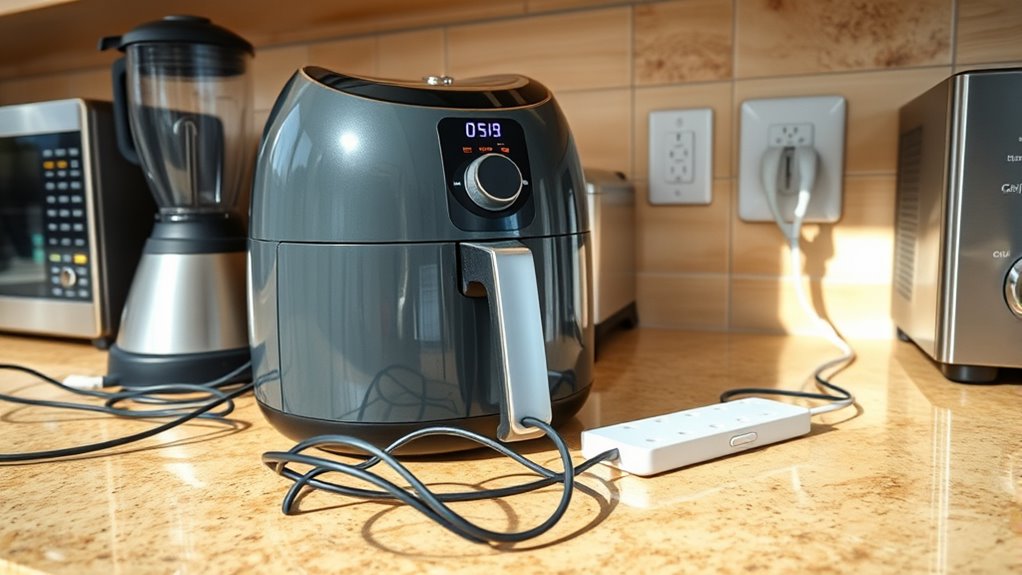
Using multiple appliances on the same circuit can easily overload it, especially if they draw a lot of power. When you run several devices simultaneously, you risk exceeding the circuit capacity, causing the breaker to trip. Not all appliances are compatible with the same circuit, so understanding appliance compatibility is vital. If your air fryer shares a circuit with high-power devices like a microwave or toaster, the combined load can push the circuit beyond its limit. To prevent tripping, avoid plugging multiple high-wattage appliances into the same outlet. Check your circuit’s capacity and distribute devices evenly across different circuits if needed. Monitoring AI behavior can help identify overload risks before they cause interruptions. This guarantees your appliances run smoothly without overloading the system or causing interruptions.
Proper Placement and Power Requirements for Your Air Fryer
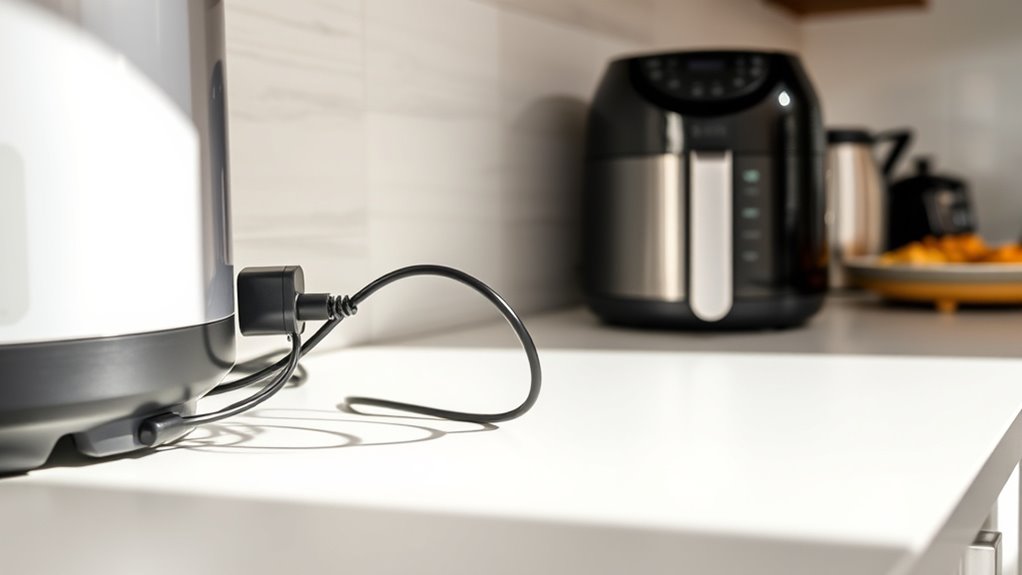
To guarantee your air fryer operates safely and efficiently, it’s essential to place it on a flat, heat-resistant surface with adequate space around it for proper airflow. Correct air fryer position helps prevent overheating and tripping the breaker. Also, pay attention to power cord placement—avoid pinching or bending the cord, which can cause electrical issues. Ensure the power cord is not stretched or tangled, reducing the risk of short circuits. Proper placement and power requirements keep your device running smoothly and prevent breaker trips. Using a dedicated electrical outlet for your appliance can also minimize the risk of overload and electrical issues.
Troubleshooting a Faulty or Overloaded Circuit Breaker

When your air fryer causes the circuit breaker to trip repeatedly, it’s often a sign of an overloaded or faulty circuit. A circuit overload happens when too many devices draw power from the same circuit, exceeding its capacity. This not only causes trips but also compromises electrical safety. To troubleshoot, first unplug other appliances on the same circuit to reduce the load. Check the breaker for signs of damage or wear, such as burns or a loose handle. If the breaker trips even with minimal devices plugged in, it might be faulty and need replacement. Always prioritize electrical safety by avoiding overloading circuits and consulting an electrician if you suspect a faulty breaker or persistent issues. Additionally, understanding the electrical capacity of your circuits can help prevent overloads and ensure safe operation. Doing so prevents potential hazards and ensures your home’s electrical system remains safe.
Steps to Safely Reset Your Breaker and Prevent Future Trips
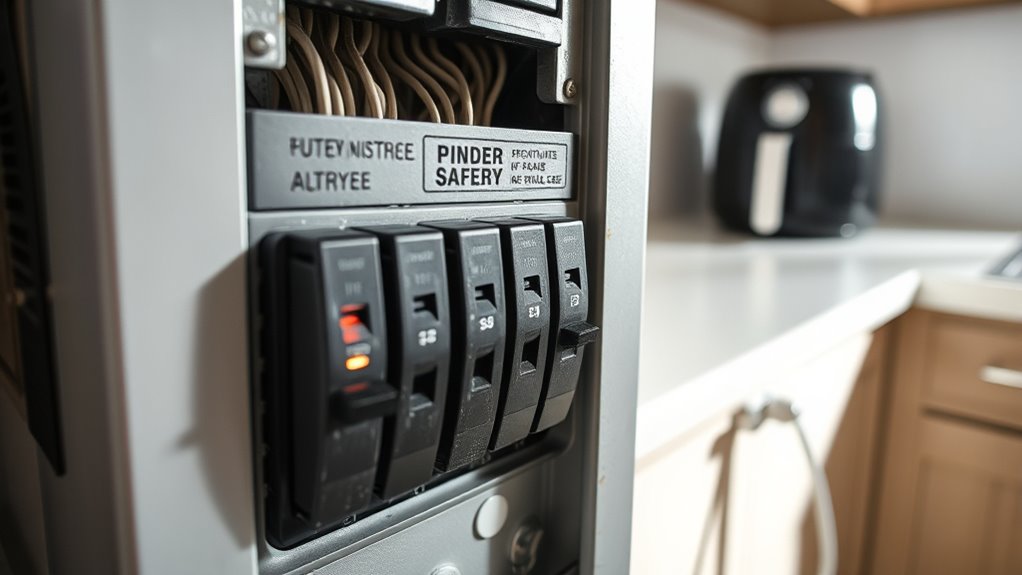
After addressing any overloads or faulty breakers, safely resetting your circuit breaker is the next step to restore power. Before doing so, verify grounding safety by confirming the breaker box is dry and free from debris. To prevent future trips, consider upgrading your circuit capacity if your air fryer consistently overloads it. When resetting, push the breaker fully to the OFF position first, then back to ON. This helps avoid lingering faults. Keep these tips in mind:
- Make sure your hands are dry and stand on a dry surface
- Confirm no other devices are overloading the circuit
- Avoid resetting if you notice burning smells or sparks
- Check for proper grounding safety measures in your electrical system
- Consider consulting an electrician for circuit capacity upgrades
Following these steps safeguards your system and minimizes trip risks.
Tips for Choosing the Right Outlet and Circuit for Your Air Fryer
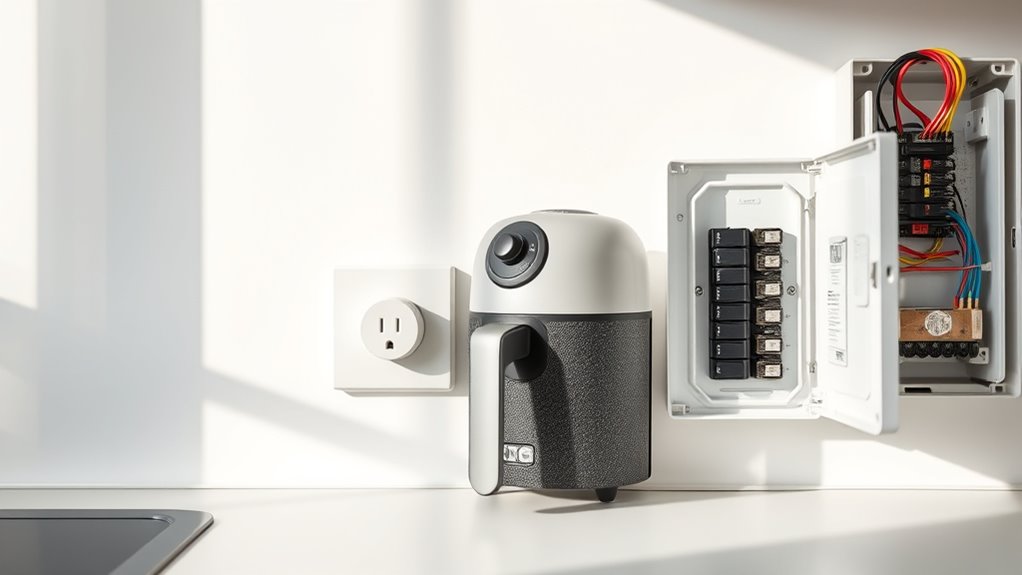
Choosing the right outlet and circuit is essential to guarantee your air fryer operates safely and efficiently. First, check outlet compatibility; ensure the outlet matches the plug type and can handle the power requirements of your air fryer. Most models need a dedicated 120V outlet with a grounded, three-prong design. Next, evaluate circuit capacity—your circuit should have enough amperage to support the air fryer’s wattage without overloading. An overloaded circuit can cause breaker trips, so avoid sharing outlets with high-power devices. If your outlet is on a shared circuit, consider installing a dedicated outlet or upgrading the circuit to handle the load. Proper outlet compatibility and sufficient circuit capacity help prevent tripping and keep your air fryer running smoothly.
When to Call a Professional Electrician for Assistance

If you notice frequent breaker trips, buzzing outlets, or signs of electrical overheating, it’s a clear indication that you should call a professional electrician. Electrical safety is vital, especially when dealing with appliance compatibility issues or faulty wiring. Ignoring these signs can lead to dangerous shocks or fires. You should contact an electrician if you experience:
- Persistent tripped breakers despite resetting
- Burning smells near outlets
- Sparks or smoke when plugging in your air fryer
- Outlets feeling hot or discolored
- Unusual flickering of lights in the area
A professional can assess your electrical system, guarantee proper appliance compatibility, and prevent future hazards. Don’t compromise safety—call an electrician to handle complex issues and safeguard your home.
Frequently Asked Questions
Can Using an Extension Cord Cause My Air Fryer to Trip the Breaker?
Using extension cords or power strips with your air fryer can definitely cause your breaker to trip. These cords often can’t handle the high power demand, leading to overloads. When you plug your air fryer into an extension cord or power strip, it may draw more current than the circuit can handle, tripping the breaker. To avoid this, always plug your air fryer directly into a wall outlet and use heavy-duty cords if necessary.
How Does the Age of My Home’s Wiring Affect Breaker Trips?
Did you know that homes built over 40 years ago often have wiring not rated for modern appliances? This can cause frequent breaker trips. Your home’s wiring impacts circuit capacity, so outdated wiring may struggle with current demands, leading to trips. If your wiring is old, you might need an upgrade to handle your air fryer’s power needs safely. Always consult a professional to assess your wiring and prevent electrical issues.
Are Certain Brands or Models of Air Fryers More Prone to Tripping Breakers?
Certain brands or models of air fryers may be more prone to tripping breakers because of brand compatibility and model durability. Cheaper or lower-quality units often draw more power or have electrical issues, increasing trip risks. To avoid this, choose reputable brands known for reliable performance and durable models. Always check the wattage and verify your home’s wiring can handle your air fryer’s power needs, preventing unnecessary breaker trips.
Does the Ambient Temperature in My Kitchen Influence Breaker Trips?
You might wonder if ambient temperature affects breaker trips. It’s possible—higher ambient temperatures can make breakers more sensitive, increasing the chance of tripping under load. Conversely, cooler temperatures might reduce this risk. If your kitchen’s ambient temperature fluctuates or becomes very hot, it can influence breaker sensitivity, especially if your circuit is already overloaded. Keeping the environment cooler and avoiding overloading circuits helps prevent unnecessary breaker trips.
How Long Should I Wait Before Resetting a Tripped Breaker to Prevent Damage?
You should wait at least 10 to 15 minutes before resetting a tripped breaker to guarantee breaker safety. This pause allows any electrical components to cool down and prevents potential damage from repeated trips. Rushing to reset too soon can cause further issues or overload the circuit. Always verify the cause of the trip before resetting, and if unsure, consult a professional electrician to avoid risking electrical hazards.
Conclusion
Think of your circuit breaker like a vigilant guard dog—protecting your home from electrical overloads. If your air fryer keeps tripping the breaker, it’s a sign something’s off. By understanding your electrical system and following these steps, you can fix the issue quickly and safely. Don’t ignore the warning signs; addressing them now is like giving your home a well-trained guard dog—ready to keep everything running smoothly.